

China's Evergrande founder sentenced to life in prison
Hui Ka Yan pleaded guilty to fraud as China's property giant collapsed under USD 300 billion in debt

Business Desk
The Business Desk tracks economic trends, market movements, and business developments, offering analysis of both local and global financial news.
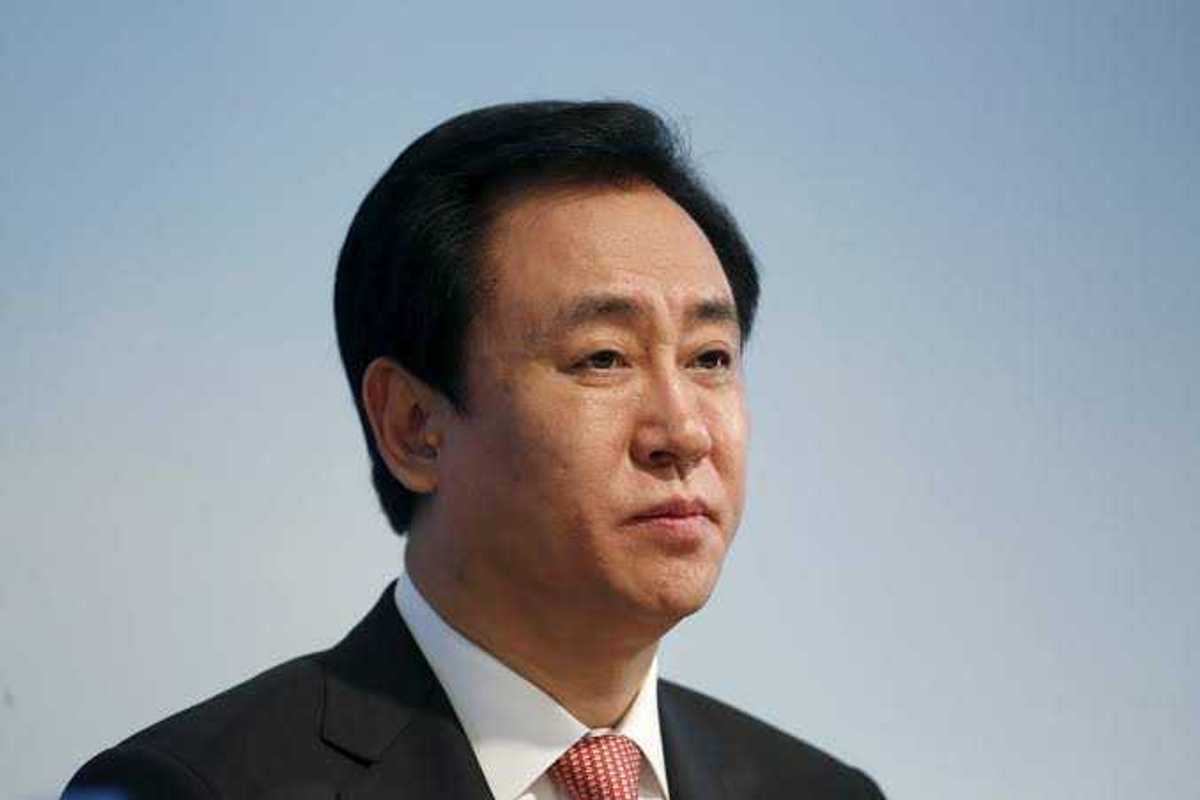
Hui Ka Yan, the founder of embattled Chinese property giant Evergrande Group and once one of China’s richest men, was sentenced to life in prison on Thursday after being convicted of multiple financial crimes, Chinese state media reported.
Hui, also known as Xu Jiayin, pleaded guilty in April to charges linked to his tenure as chairman of Evergrande, including fraud and misuse of funds, according to China’s official Xinhua News Agency.
The Shenzhen Intermediate People’s Court also ordered Hui to forfeit his personal assets and stripped him of his political rights, Xinhua reported.
Evergrande Group was fined 8.82 billion Yuan (USD 1.23 billion), while Evergrande Real Estate was fined 7 billion Yuan. The companies were convicted of offenses including financial fraud, inflating assets, concealing liabilities, illegally absorbing public deposits, fundraising fraud and illegal disclosure of important information, according to Xinhua.
The court said Hui and his businesses had “seriously disrupted” China’s property market and caused significant economic losses.
Hui’s sentencing marks a dramatic fall for a businessman who rose from humble beginnings to become one of China’s wealthiest and most influential corporate figures during the country’s decades-long property boom.
Evergrande has been crippled by debt since 2021, when its financial problems became a major symbol of China’s broader property-sector crisis. The company accumulated about USD 300 billion in liabilities, making it one of the world’s most heavily indebted property developers.
The collapse of Evergrande and financial troubles at other major developers have weighed on China’s economy, undermined consumer confidence and inflicted losses on investors, homeowners and financial institutions.
China’s property downturn has also posed a major challenge for Beijing as authorities seek to stabilize the sector and restore confidence in an economy increasingly affected by weak housing demand.
Hui and Evergrande were found guilty of several crimes, including embezzlement of assets and corporate bribery, while the company was also accused of falsifying records and concealing debt.
The Shenzhen court imposed combined fines of 15.82 billion Yuan on Hui’s former companies for multiple crimes, according to state media.
Other Evergrande executives were also sentenced to prison terms. Hui’s sons, Xu Zhijian and Xu Tenghe, received sentences ranging from 22 months to 18 years, Xinhua reported.
The case represents one of the most prominent criminal reckonings arising from China’s property crisis and underscores the government’s increasingly tough stance toward corporate misconduct as it attempts to contain the fallout from the sector’s prolonged downturn.
Hui’s downfall is particularly notable because Evergrande once stood at the center of China’s property-driven economic expansion. The company grew into a vast conglomerate with interests spanning real estate and other sectors before its debt-fueled expansion ultimately became unsustainable.
The company’s financial collapse triggered years of restructuring efforts and became a focal point of concern over whether distress among Chinese property developers could spread through the country’s banking and financial system.
The sentencing comes as Beijing continues efforts to stabilize the property market, which remains a major drag on economic activity and household sentiment.





Comments
See what people are discussing