

Church of Pakistan rejects Christian family law bills, seeks wider consultation
The Church of Pakistan rejects Sindh and Khyber Pakhtunkhwa Christian family law bills and seeks wider consultation with denominations before enactment.

Kamran Ali
Correspondent Nukta
Kamran Ali, a seasoned journalist from Khyber Pakhtunkhwa, Pakistan, has a decade of experience covering terrorism, human rights, politics, economy, climate change, culture, and sports. With an MS in Media Studies, he has worked across print, radio, TV, and digital media, producing investigative reports and co-hosting shows that highlight critical issues.
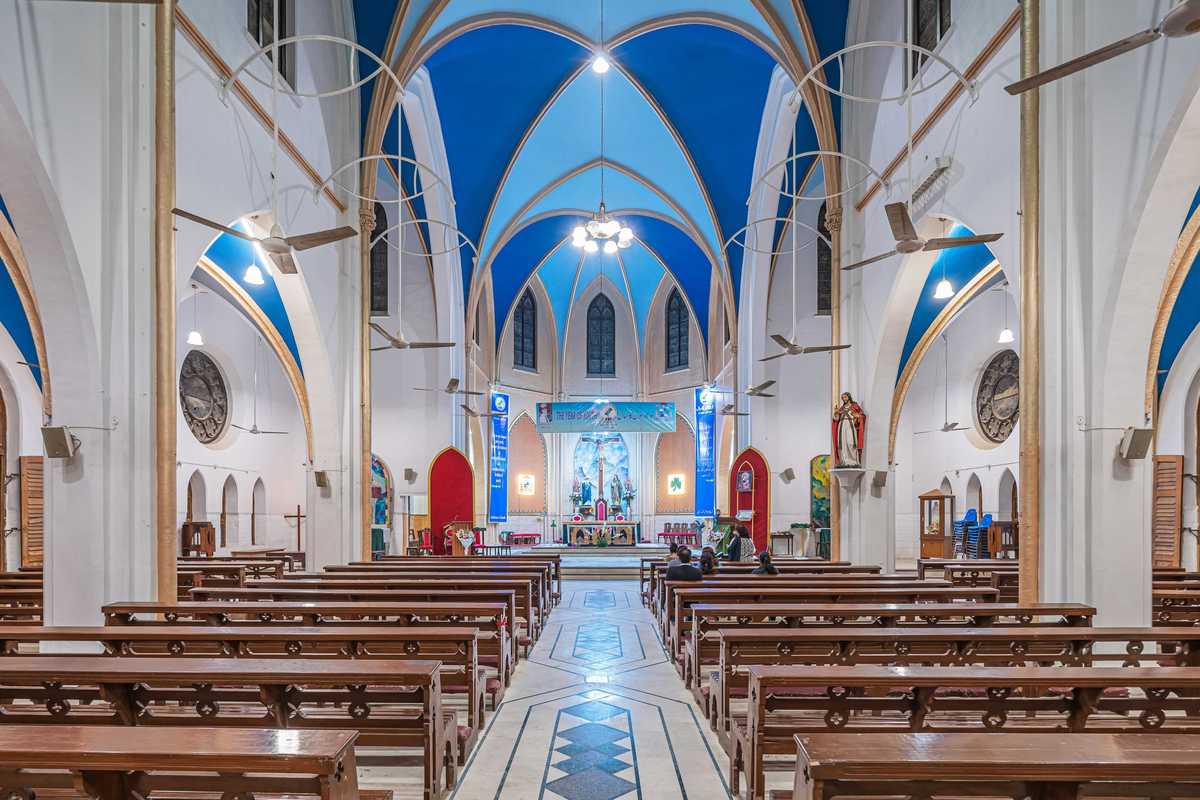
Interior of Saint Patrick's Cathedral, Karachi.
Wikipedia Commons
The Church of Pakistan has rejected proposed Christian family law bills in Sindh and Khyber Pakhtunkhwa, calling for broader consultation with Christian denominations before enactment. In a statement after consultations among church leaders, it said the bills could treat marriage as a civil matter and overlook its religious foundations.
Why did the Church of Pakistan reject the Christian family law bills?
The Church said the bills could create a civil-law framework for Christian marriage and its dissolution without adequately preserving their biblical, theological, ecclesiastical and sacramental dimensions. It also opposes combining marriage and divorce laws into a single statute and wants Christian denominations consulted first.
"Christian marriage cannot be treated merely as a civil contract while disregarding its religious and spiritual dimensions," Christian leaders said. They said Christian marriage and family life are grounded in the Holy Bible, Christian doctrine, ecclesiastical traditions and the Apostles' Creed.
How do church leaders want a Christian to be defined?
Church leaders proposed defining a "Christian" as a person who professes the Christian faith in accordance with the Apostles' Creed. The Church said it was concerned that the proposed definition was later changed to "persons professing the Christian religion."
The Church called for substantive and transparent consultation with recognized Christian churches and denominations. It also urged the government and provincial assemblies to give major denominations adequate time to review the bills. These include the Church of Pakistan, Roman Catholic Church, Presbyterian Church, Salvation Army and Pentecostal churches.
What does the Church want the federal government to do?
The Church called on the federal government to develop modern, comprehensive and uniform Christian family laws. It argued that Christian personal and religious laws should remain a federal subject and provide a single legal framework for Christians across Pakistan.
It said the Christian Marriage Act, 1872, and the Divorce Act, 1869, should remain within the federal legal framework through appropriate constitutional and legislative amendments. The Church added that the proposed legislation must comply with Article 20 of Pakistan's Constitution, which provides for freedom to profess, practice and manage religious institutions.
The Church also called for a detailed theological, legal and denominational review of provisions on divorce, judicial separation and remarriage. It acknowledged the need to modernize the law, protect families and safeguard women and children. Legal reforms, it said, should not undermine the religious identity, doctrine or ecclesiastical character of Christian personal law.
Which Christian family law bills are before provincial assemblies?
The Sindh Christian Family Laws Bill, 2026, was introduced Sept. 8, while the Khyber Pakhtunkhwa Christian Family Laws Bill, 2026, was submitted June 29. The Punjab Christian Marriage Bill, 2026, was tabled April 9. All three bills are currently before the respective standing committees of the provincial assemblies for further consultation.
The bills seek to modernize Christian family laws by replacing outdated colonial-era provisions with a comprehensive legal framework. It covers marriage, registration, divorce, maintenance, child custody and family rights, while safeguarding Christian religious traditions.




Comments
See what people are discussing