

Cotton prices climb in Pakistan as mills face tight supplies and costly imports
Limited availability of quality local cotton and higher imported yarn prices keep market firm

Haris Zamir
Business Editor
Experience of almost 33 years where started the journey of financial journalism from Business Recorder in 1992. From 2006 onwards attached with Television Media worked at Sun Tv, Dawn Tv, Geo Tv and Dunya Tv. During the period also worked as a stringer for Bloomberg for seven years and Dow Jones for five years. Also wrote articles for several highly acclaimed periodicals like the Newsline, Pakistan Gulf Economist and Money Matters (The News publications)
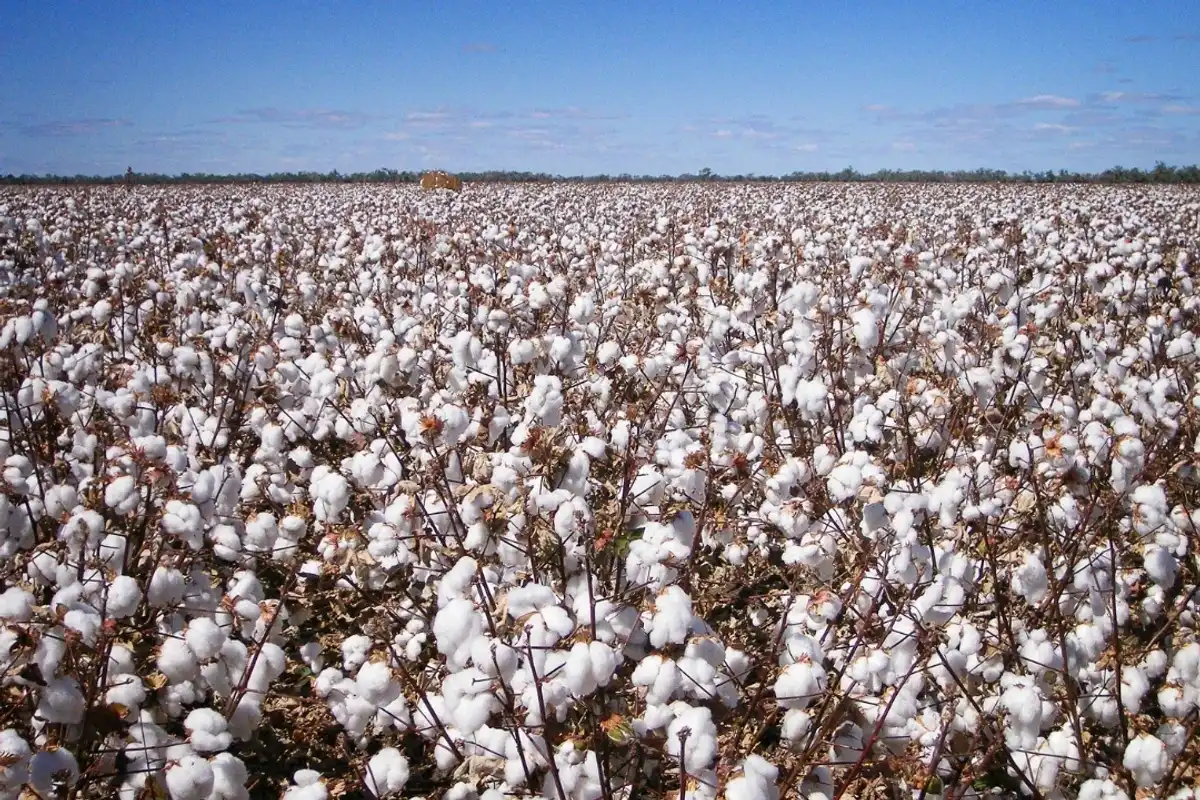
Cotton prices in Pakistan extended their upward trend, rising by PKR 200 to PKR 16,200 per maund, as higher prices of imported cotton yarn and limited availability of quality local cotton supported the market, industry officials said Tuesday.
Traders said steady demand from spinning mills, coupled with constrained supplies of better-grade cotton, pushed prices higher in major cotton-growing and trading centers.
Ahsanul Haq, chairman of the Cotton Ginners Forum, said the market was reacting to structural supply issues rather than short-term speculation. “The availability of quality cotton remains limited, while mills continue to face higher costs for imported yarn, which is keeping domestic cotton prices firm,” he said.
According to data released by the Pakistan Cotton Ginners Association on Jan. 3, a total of 5,434,044 bales of cotton had been recorded across the country as of Dec. 31. That compares with 5,452,250 bales during the same period last year, showing little change in overall arrivals.
The data showed that textile mills consumed 4,708,380 bales during the current season, up from 4,650,000 bales a year earlier. Exporters and other market participants received 176,000 bales, slightly lower than the 180,000 bales recorded last year.
Current cotton stocks stand at 549,664 bales, including 481,966 pressed bales and 67,698 loose bales. At the same time last year, total stocks were higher at 588,531 bales, indicating a modestly tighter supply situation this season.
Cotton flow has also increased, with 132,636 bales recorded this year compared with 84,916 bales last year, reflecting stronger movement of cotton through the supply chain. At present, 223 ginning factories are operational nationwide and processing available cotton.
Looking ahead, Pakistan’s total domestic cotton production for the 2025-26 cotton year is expected to reach about 5.6 million bales, well below the official production target of 10.2 million bales set for the season, according to industry estimates.
Cotton is a cornerstone of Pakistan’s economy and the primary raw material for its textile industry, which generates the bulk of the country’s export earnings. Annual cotton demand from the textile sector is estimated at around 16 million bales, but domestic availability in recent years has been limited to roughly 11 to 12 million bales.




Comments
See what people are discussing