

Djibouti boat wreck leaves 139 migrants dead, 84 missing, UN says
Djibouti boat wreck leaves 139 migrants dead, including 15 children, and 84 missing after an overcrowded boat bound for Yemen sank, the UN says.

News Desk
The News Desk provides timely and factual coverage of national and international events, with an emphasis on accuracy and clarity.
Reuters/FIle
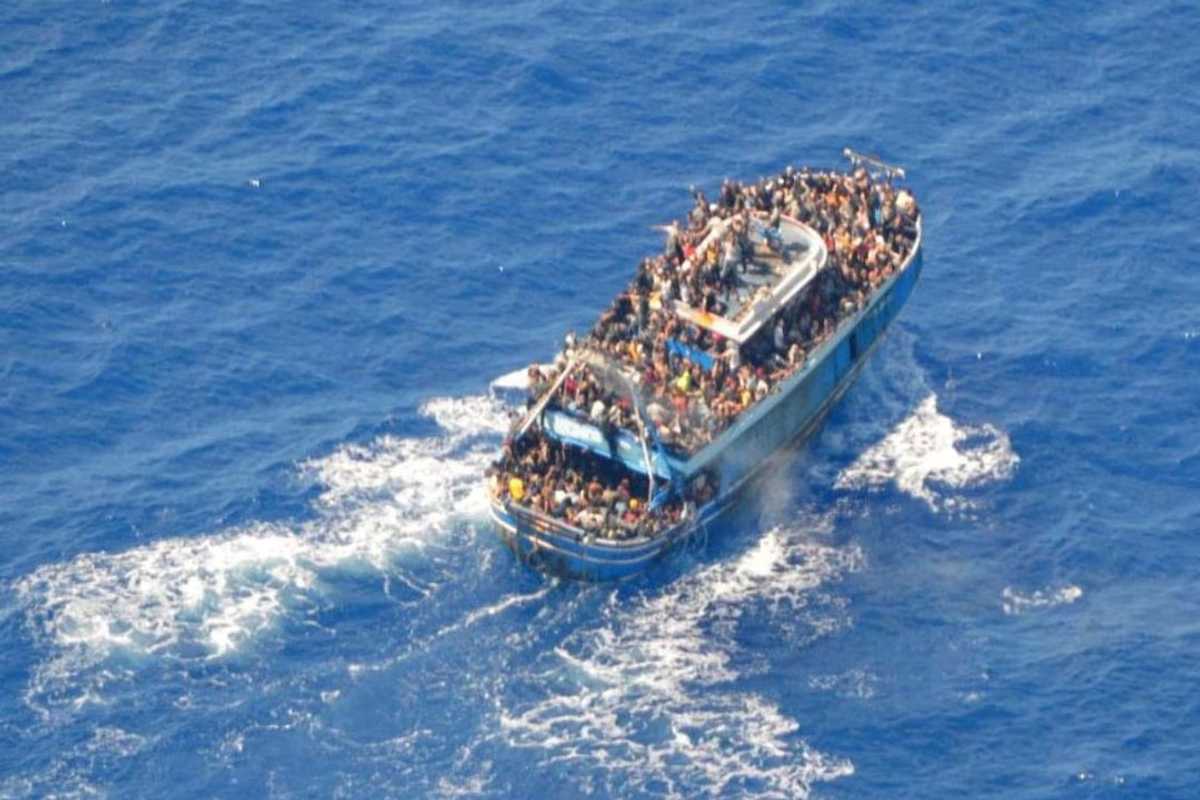
At least 139 migrants died, including 15 children, and 84 went missing when an overcrowded boat sank while heading from Djibouti to Yemen, the International Organization for Migration (IOM) said Sunday. The Djibouti boat wreck occurred north of the Djibouti town of Obock overnight on October 8-9, with 305 people on board, most of them Ethiopian.
What happened in the Djibouti boat wreck?
Survivors told IOM chief of mission Alexandre Coissac that the boat started to sink backwards as soon as they boarded. The IOM first reported 109 dead and 116 missing, then revised the toll to 139 dead and 84 missing after more bodies were recovered. Eighty-two people survived, all Ethiopian nationals.
"This is a devastating loss of life," Coissac said in the IOM statement. "Our thoughts are with the survivors and the families who have lost loved ones or remain without news of their relatives." He said IOM teams were on the ground with Djiboutian authorities to provide emergency aid.
Coissac also said he had spoken to one survivor from the Tigray region of northern Ethiopia, where rebels are battling the federal government in a recent flare-up of violence.
Who were the victims and survivors of the shipwreck?
Among the 109 bodies recovered earlier were 52 men, 42 women and 15 children, including nine girls and six boys, according to the initial statement. The IOM said it was assisting 64 survivors at a migrant center in Obock.
Djiboutian authorities are continuing search and rescue operations as fears grow for those still missing. The IOM called the wreck "one of the deadliest shipwrecks recorded" on the route.
Why do migrants cross from Djibouti to Yemen?
Many migrants try to cross the Bab al-Mandeb Strait to Yemen and then reach Gulf countries in search of economic opportunities, Coissac said. "Poverty, insecurity and the growing impacts of climate change drive many to undertake this journey, despite mounting instability across the Middle East," the IOM said.
IOM spokesman Kennedy Omondi Okoth told AFP this week that 178,000 people had arrived in Djibouti from Ethiopia between January and October this year. Since September 10, the IOM has detected more than 20,000 crossings to Djibouti from Ethiopia, despite a surge in conflict in Yemen.
Yemen is stricken by fighting between the Saudi-backed government and Tehran-backed Houthi rebels, who have joined the regional conflict involving the US and its allies against Iran. Coissac said 150 of the people on the boat that sank had previously been turned back from Yemen but attempted the crossing again.
In 2025, more than 900 migrants died or went missing along the sea route to Yemen, and the number attempting the journey rose by 18 percent, the IOM said. A shipwreck in March 2026 left nine people dead and 45 missing. Okoth said most of those attempting the journey were from Ethiopia or Somalia, and many ended up stranded in Djibouti.
What has the IOM called for after the wreck?
"No one gets into a boat like that unless they believe there is no other safe way," IOM Director General Amy Pope said in a statement. "We cannot keep treating these deaths as normal. Safe and legal pathways save lives. I am asking governments and donors to act before the next boat goes down."
The IOM urged donors and partners to strengthen support for Djibouti's response, including search and rescue operations and life-saving assistance.





Comments
See what people are discussing