

EU demands Meta modify 'addictive design' of Facebook and Instagram or face massive fines
European Commission issued a formal warning to Meta over the addictive design of Facebook and Instagram, citing severe mental health risks to children under the Digital Services Act

News Desk
The News Desk provides timely and factual coverage of national and international events, with an emphasis on accuracy and clarity.
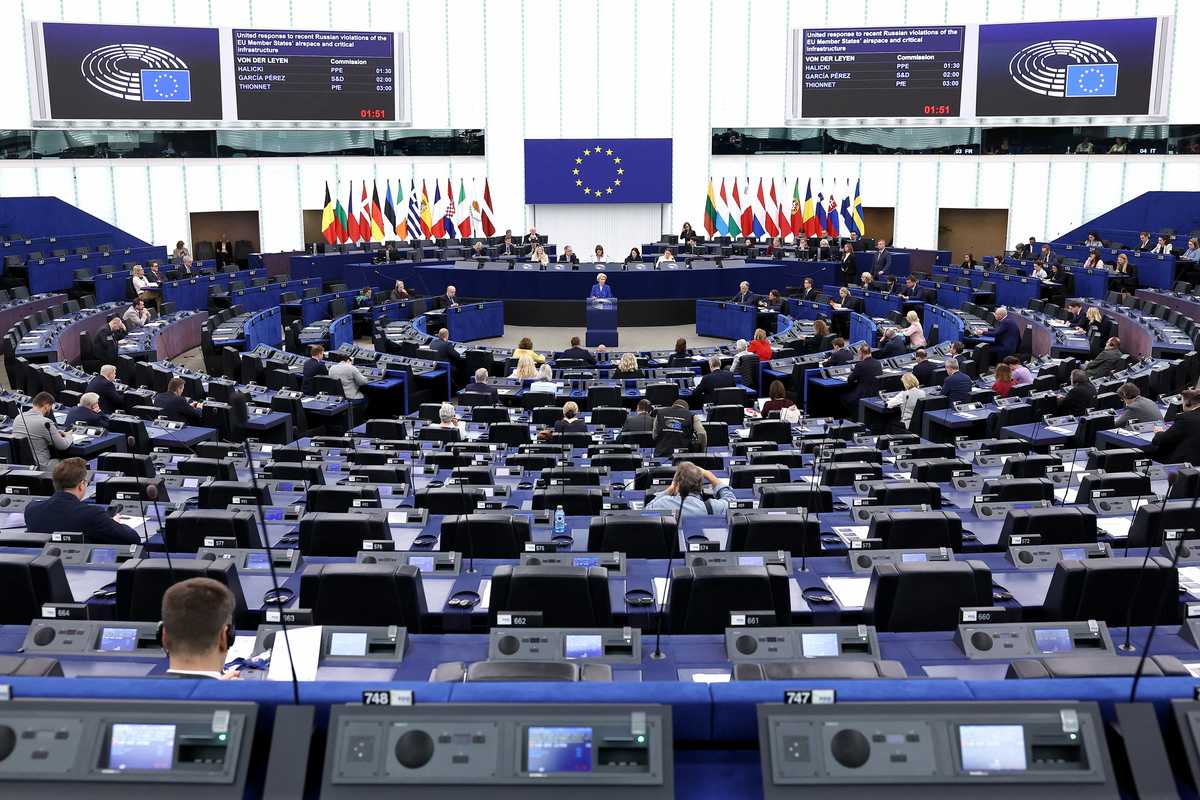
The European Union issued a preliminary warning to tech giant Meta on Friday, ordering the company to systematically overhaul the addictive design of Facebook and Instagram.
Brussels formally accused the US firm of failing to protect children and vulnerable adults from platform mechanics engineered to maximize screen time.
Which specific platform features are being targeted by EU regulators?
The European Commission identified several engagement-focused layout mechanics that directly violate content rules under the Digital Services Act (DSA). To rectify these violations, regulators want Meta to alter its platform architecture across several key operational areas.
Disabling addictive defaults is a primary requirement, meaning Meta must turn off structural mechanics like infinite scroll and autoplay by default so users are forced to make conscious choices to keep browsing. Regulators are also demanding effective time management tools through the implementation of robust, mandatory screen time breaks that users cannot easily dismiss with a single tap.
Furthermore, the EU expects algorithmic adjustments to redesign underlying recommendation engines, ensuring feeds are less engagement-oriented and do not trigger compulsive rabbit-hole effects. Finally, the commission targets simplifying parental controls by overhauling current youth monitoring systems, which are currently deemed too technically complex for the average parent to deploy effectively.
EU tech chief Henna Virkkunen emphasized that safeguarding the physical and mental health of European citizens must become an absolute priority for global social media platforms.
What are the potential financial penalties and how has Meta responded?
If the initial findings are officially confirmed, the EU has the authority to slap Meta with a maximum fine of up to 6% of its total worldwide annual turnover.
Despite the threat of severe financial penalties, senior EU officials簡insisted that Brussels prefers to leverage these findings to extract binding corporate design adjustments rather than simply punishing Big Tech firms.
"We want to bring about change, and if we can get that change via commitments then we would be most happy."
— Senior EU Official
Meta publicly expressed disagreement with the commission's initial findings but promised to continue engaging constructively with European regulators. The company highlighted that it has already introduced specialized Teen Accounts since the EU originally launched its probe in 2024. These specialized accounts give parents the authority to block overnight application access and cap daily usage at 15 minutes.
The enforcement action arrives just days before an expert advisory panel delivers comprehensive online protection recommendations to EU Chief Ursula von der Leyen. The executive branch faces intensifying internal pressure from member states like France to implement bloc-wide social media bans for minors, mirroring Australia's groundbreaking under-16 restrictions.
Parallel legal scrutiny across the Atlantic also concluded this year, with a landmark US federal trial ruling that Meta's software design was harmfully addictive.




Comments
See what people are discussing