Cyber threats and surveillance technology are reshaping modern conflict, turning everyday systems into potential tools of espionage. From traffic cameras to complex monitoring software, experts warn that attacks can begin long before any missiles are fired.
In this episode of The Blue Newsroom, hosted by Amber Rahim Shamsi, the program delves into the shadowy world of digital warfare. It examines reports of Israel’s Unit 8200 allegedly exploiting Tehran’s traffic feeds to create detailed “pattern of life” dossiers and the discovery that BriefCam, linked to Israeli technology, was once used in Islamabad’s Safe City initiative.
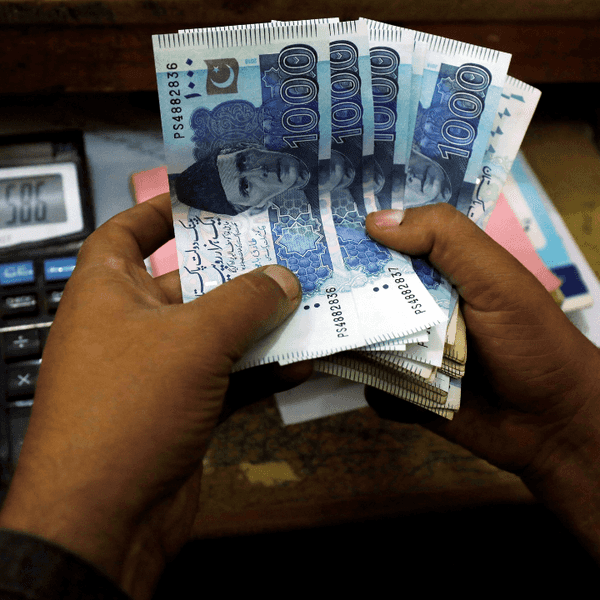
The discussion also tackles concerns about hidden “backdoors” in global tech networks and in the What’s Trending segment, reviews emergency economic measures in Pakistan, Bangladesh and Egypt amid rising oil prices and regional tensions.








Comments
See what people are discussing