

3 out of 4 Pakistanis ‘only showing up at work’ without interest: report
Job stress level in the country climbs to 62%, far above the global average of 40%

Hammad Qureshi
Senior Producer / Correspondent
A business journalist with 18 years of experience, holding an MS in Finance from KU and a Google-certified Data Analyst. Expert in producing insightful business news content, combining financial knowledge with data-driven analysis.
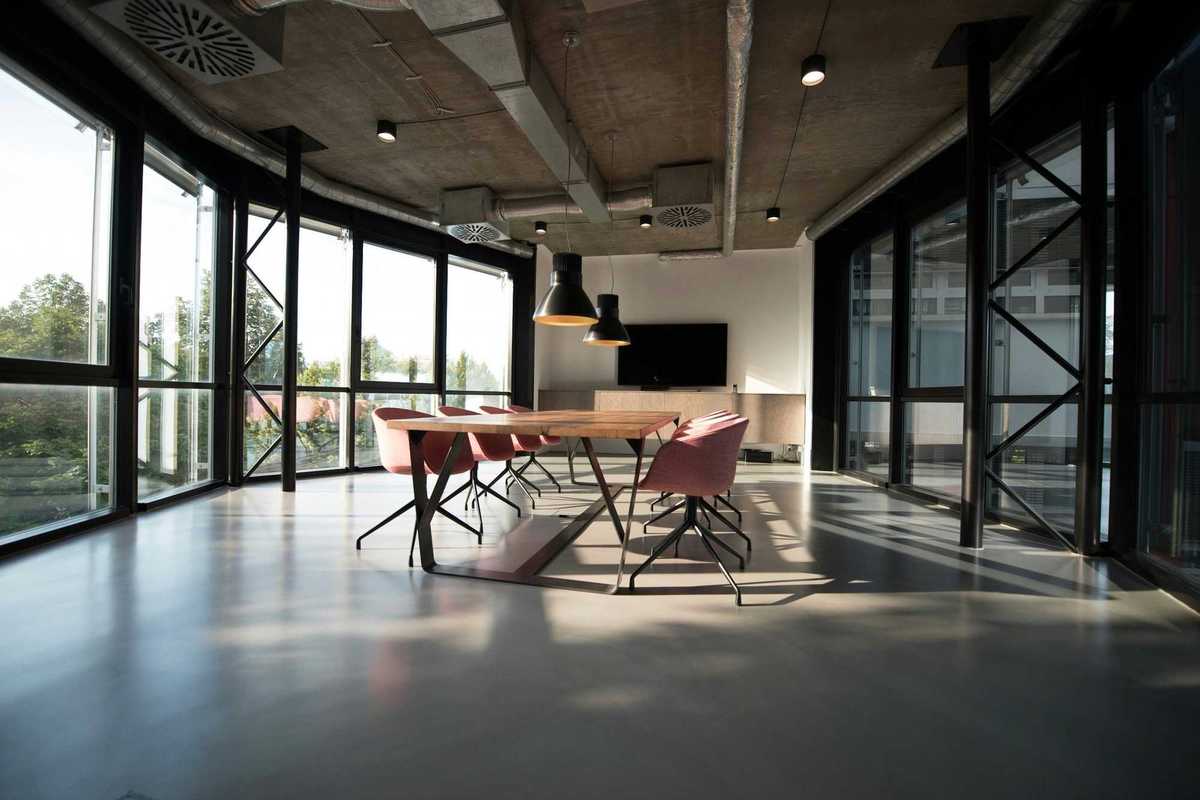
34% of workers in Pakistan have reported experiencing significant sadness
If you're an employee in Pakistan and you feel like dragging yourself to work each day, then you are not alone.
A new report has found that three out of four Pakistani workers are disengaged from their jobs due to emotional exhaustion and stress.
The Gallup's State of the Global Workplace: 2026 Report states that only 24% of employees are "engaged" — meaning they feel genuinely invested in their work. The remaining 76% are showing up without meaningful commitment, a disconnect that economists link to weaker business productivity and broader drag on economic growth.
Stress and wellbeing
The emotional toll on Pakistani workers is severe, according to the report.
Daily stress levels have climbed to 62%, far above the global average of 40%, and the highest figure recorded in Pakistan over the past 15 years.
Wellbeing indicators also tell a similarly grim story with only 12% of Pakistani workers describing themselves as "thriving" in their lives. The number is below the South Asian regional average of 16%, which is itself the lowest of any region globally.
Additionally, 34% of workers reported experiencing significant sadness.
Job market paradox
Despite these conditions, sentiment around job availability has shifted sharply.
Some 58% of Pakistani employees now believe it is a good time to find a job, up from just 39% in both 2023 and 2024 — a near-20 percentage point jump that suggests workers see more opportunity in the market even as they remain emotionally strained in their current roles.
The divergence points to a workforce caught between improving hiring conditions and a workplace environment that has yet to address the human cost of economic pressure.



Comments
See what people are discussing