

IMF urges SBP to be ready for more rate hikes if inflation rises
Fund warns poverty and slowing growth are compounding risks to macroeconomic stability

Business Desk
The Business Desk tracks economic trends, market movements, and business developments, offering analysis of both local and global financial news.
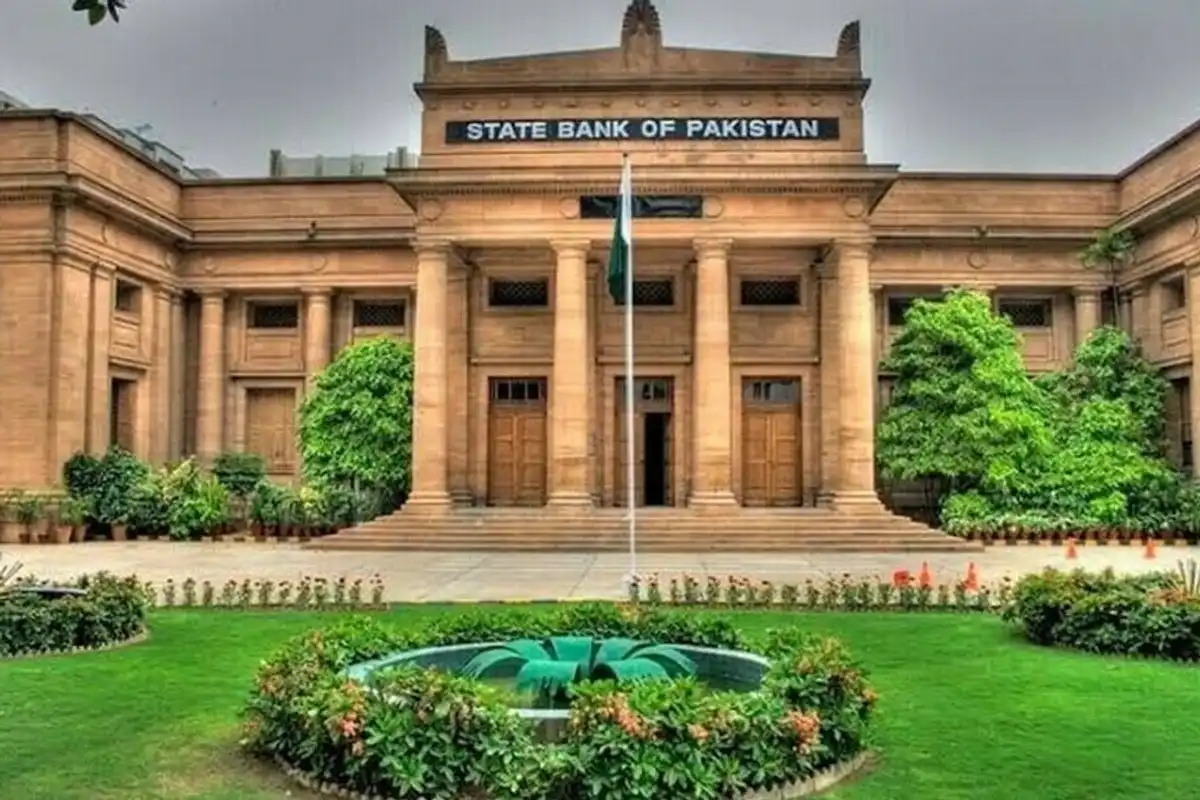
The International Monetary Fund has urged the State Bank of Pakistan to maintain an "appropriately tight monetary policy" and stand ready to raise interest rates if inflation intensifies.
The directive came in the IMF's latest assessment of Pakistan's economy, which cited rising global commodity prices and escalating Middle East tensions as key risks to macroeconomic stability.
What did the IMF tell the SBP about monetary policy?
The IMF urged the SBP to keep monetary policy tight to prevent inflation expectations from becoming unanchored.
It said exchange rate flexibility should remain Pakistan's primary buffer against external shocks.
The Fund also warned that rising food and energy prices may require further policy tightening in the coming months.
How fast is Pakistan's economy expected to grow?
The IMF projects Pakistan's economy will grow 3.6% in FY26, supported by strong activity through February. FY27 projections have been revised downward due to weaker external demand.
Higher international commodity prices linked to the Middle East conflict were cited as a key drag. The Fund warned that elevated poverty and slowing growth prospects are compounding risks to macroeconomic stability.
Where is Pakistan's inflation headed?
The IMF projects inflation will exceed 10% in the fourth quarter of FY26. It is expected to average 8.4% in FY27 before returning to the SBP's target range only in FY28.
The Fund said the SBP's monetary policy has so far helped contain inflation and stabilize expectations. However, growing risks from food and energy prices may require further tightening.
The IMF also flagged that accelerating private sector credit growth could add to domestic demand pressures. This would further complicate inflation management in the months ahead.
Why did the SBP pause its rate cuts?
The SBP cut its benchmark policy rate to 10.5% in December 2025. The cut followed softer inflation trends during the first half of FY26.
The central bank then paused further easing in March. The pause came after the outbreak of war in the Middle East triggered renewed uncertainty in global commodity markets.
The IMF said the SBP should carefully monitor the pass-through of higher commodity prices to domestic prices, wages, and expectations. It urged the bank to stand ready to tighten policy as needed.
What did the IMF say about Pakistan's exchange rate?
The IMF said exchange rate flexibility should remain Pakistan's main external adjustment mechanism. Foreign exchange reserves were described as still below comfortable levels and in need of further rebuilding.
The Fund recommended continued efforts to deepen the interbank foreign exchange market. It called for gradual and carefully sequenced liberalization measures to support this goal.
How does the IMF want the SBP to communicate policy?
The IMF noted that the SBP is currently reviewing its Monetary Policy Committee communication strategy. The review was described as an opportunity to improve market understanding of how the bank deploys and sequences its tools.
Better central bank communication would strengthen market confidence and reinforce Pakistan's inflation-targeting framework, the Fund said.
It also called for vigilance against second-round inflationary effects, including rising wage pressures and shifting consumer expectations.
What structural reforms did the IMF recommend?
The IMF stressed that broader economic reforms remain essential for long-term stability and growth.
The report highlighted plans to improve public financial management. It also called for maintaining energy prices at cost-recovery levels to avoid unsustainable subsidies.
The Fund noted commitments to governance improvements, anti-corruption measures, and restructuring and privatization of state-owned enterprises. Reforms under Pakistan's climate resilience program were also flagged as a priority for reducing vulnerability to climate shocks.





Comments
See what people are discussing