

EPZ investors urge PM Shehbaz Sharif to retain 80/20 facility amid IMF, budget talks
Investors warn that changes to the policy could hurt exports, jobs, investment and industrial activity

Business Desk
The Business Desk tracks economic trends, market movements, and business developments, offering analysis of both local and global financial news.
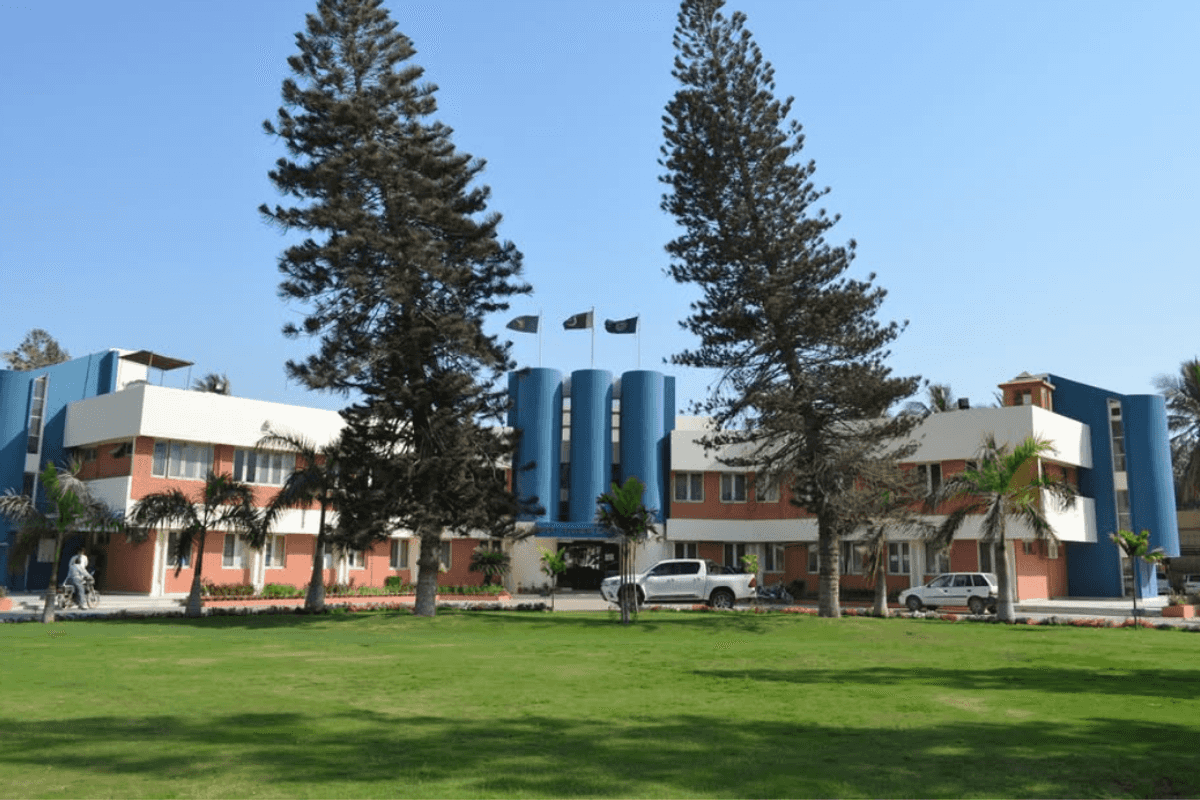
Export Processing Zones Authority Pakistan
EPZ, Facebook
Investors operating in Pakistan's Export Processing Zones (EPZs), particularly the Karachi Export Processing Zone (KEPZ), have urged Prime Minister Shehbaz Sharif to preserve the longstanding 80/20 facility, warning that any changes could undermine investor confidence, industrial sustainability and export growth.
In a letter addressed to the prime minister, the investors sought urgent government intervention to ensure that no adverse changes are made to the policy during discussions with the International Monetary Fund (IMF), budget deliberations, regulatory reviews or other fiscal reforms.
Investors highlight importance of 80/20 facility
The investors said the 80/20 facility is a key component of the EPZ framework, allowing industries to export at least 80% of their production while permitting up to 20% of output to be sold in Pakistan's domestic market after payment of all applicable duties, taxes and regulatory charges.
According to the letter, the arrangement does not alter the export-oriented nature of EPZ industries but provides operational flexibility by allowing companies to sell byproducts, residual materials, off-grade goods and other items that may not be commercially viable for export.
The investors argued that the facility helps industries recover value, reduce waste, maintain operational efficiency and sustain export activities.
Contribution to exports and employment
The business community said EPZ industries contribute significantly to Pakistan's economy through exports, employment generation, foreign exchange earnings, industrial growth, recycling activities and government revenue collection.
The letter noted that KEPZ industries also support trade ties with the United States. According to KEPZ import data for 2025, imports from the United States totaled approximately USD 250 million, which were processed and value-added in Pakistan before being re-exported.
The investors said such activities strengthen Pakistan-U.S. trade relations while creating jobs and generating export earnings.
Concerns over investor confidence
The investors warned that restricting or eliminating the 80/20 facility would affect the commercial basis on which many investments were made.
They said any policy reversal could lead to reduced industrial activity, lower exports, job losses and weaker investor confidence at a time when Pakistan is seeking to attract foreign investment and expand its export base.
The letter said the existing arrangement provides a practical commercial mechanism that supports the viability of export-oriented industries operating within the EPZ framework.
Citing legal protections under EPZ rules
The investors also cited Rule 24A of the Export Processing Zones Authority Rules, which states that changes to an incentive package under which an investment has been approved cannot be made unless the changes are more advantageous to the investor and are accepted by the investor.
They argued that policy continuity and predictability have been key factors influencing investment decisions in EPZs and urged the government to maintain the existing incentive structure.
Appeal for policy stability
The investors said preserving the 80/20 facility would send a positive signal to domestic and international investors at a time when Pakistan is seeking to strengthen its reputation as an export and investment destination.
They urged the prime minister to direct relevant ministries and authorities to retain the arrangement, arguing that doing so would support the government's goals of promoting exports, industrial growth, employment, foreign investment and economic stability.
The appeal comes as Pakistan prepares budget measures and continues engagement with the IMF on economic reforms aimed at stabilizing the economy and boosting exports.




Comments
See what people are discussing