

24,000 Pakistanis secure path to legal residency in Spain through 2026 regularization scheme
Around 24,000 Pakistanis working illegally in Spain are on a path to legal residency after availing Spain's 2026 regularization scheme, Pakistani officials confirmed.

Ali Hamza
Correspondent
Ali; a journalist with 3 years of experience, working in Newspaper. Worked in Field, covered Big Legal Constitutional and Political Events in Pakistan since 2022. Graduate of DePaul University, Chicago.
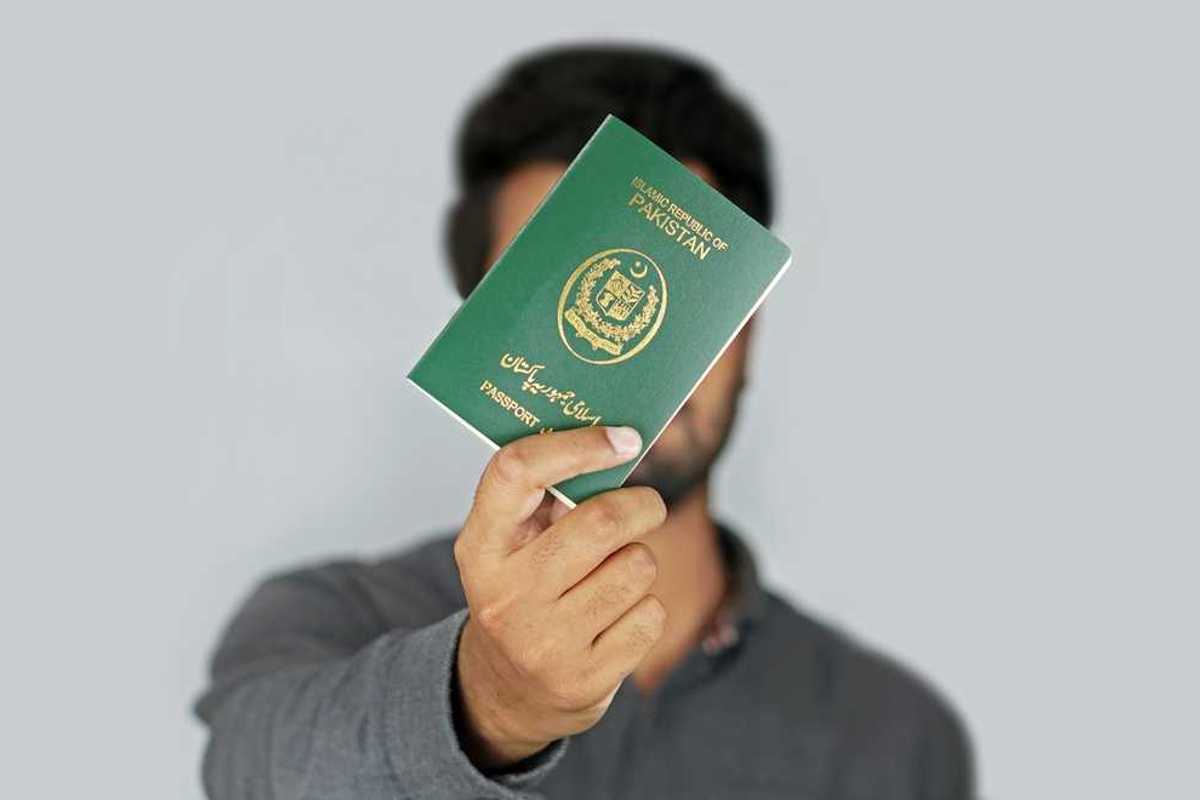
Undocumented individuals who can prove at least six months of work in Spain are eligible to apply for a one-year residence and work permit, issued within two to three weeks.
Shutterstock
Around 24,000 Pakistanis working illegally in Spain have been set on a path to legal residency after availing Spain's 2026 extraordinary regularization scheme. Pakistani officials told the National Assembly's Standing Committee on Foreign Affairs that the opportunity was rare and unlikely to be repeated, describing Spain's position as an outlier in an increasingly restrictive European immigration landscape.
How does Spain's 2026 regularization scheme work for Pakistanis?
Undocumented individuals who can prove at least six months of work in Spain are eligible to apply for a one-year residence and work permit, issued within two to three weeks. The status is renewable for up to ten years, provided the holder remains law-abiding and tax-compliant. After that period, permanent residency becomes available, with a pathway to Spanish citizenship thereafter.
Pakistan's Ambassador to Spain, Zahoor Ahmed, told the committee that applicants are already receiving their work permits within two to three weeks of applying. He said Spanish authorities had been clear about the conditions. "The Spanish Secretary of State and Director General of Migration told me that they are giving work permits first, and after one year they will see if people are paying taxes and are law-abiding citizens. If there is a previous criminal record, they will not extend it further," he said.
Why did Spain launch this regularization program?
Ambassador Zahoor said Spain's approach was deliberate and economically motivated, aimed at bringing undocumented workers already in the country into the formal tax system. "The general political atmosphere on immigration is negative in Europe, but the leader of Spain took the stance that Spain needs people for their economy," he said. Madrid was specifically targeting workers outside the tax system and vulnerable to exploitation.
Of an estimated 500,000 undocumented immigrants in Spain, the majority from Colombia, Latin America, and the Caribbean, Pakistanis numbered approximately 24,000, according to documents processed under the scheme.
How did Pakistan help its citizens apply for Spain regularization?
Pakistani officials acknowledged that logistical bottlenecks initially threatened to prevent many applicants from meeting the April-to-June 2026 window. An unusual degree of inter-agency coordination resolved the obstacles. Foreign Secretary Amna Baloch told the committee that two facilitation camps were established in Lahore and Gujrat to help applicants gather required documentation.
The two most critical documents, police character certificates and passports, were handled through a streamlined process. Many Pakistanis had allowed their passports to lapse due to prolonged overstay, but authorities processed renewals while ensuring the system was not misused. A Ministry of Foreign Affairs presentation confirmed that almost 8,000 passports were issued to Pakistanis in Spain, and close to 10,000 affidavits and authority letters were processed through Pakistani missions in Madrid and Barcelona between January and May.
What role did Pakistan's Standing Committee on Foreign Affairs play?
Chairperson Hina Rabbani Khar said the committee had raised the matter in March, concerned that Pakistan's own documentation processes were too rigid for citizens to benefit. "The decision was taken by the government on our recommendation that the process has to be lenient for Pakistanis, and it worked out," she said.
Khar also praised Spain's political leadership for going against the regional trend. "Spain currently stands out as a complete outlier in the entire Western hemisphere, where the European Union is becoming more and more militaristic and more and more far-right," she said. She described Prime Minister Pedro Sanchez, now the longest-serving leader in Western Europe, as pro-labor and opposed to exploitation.
Should Pakistanis see this as a model for future migration?
Ambassador Zahoor warned against treating the scheme as a repeatable route. "This was a very unique opportunity, but our government has to make sure that Pakistanis don't take this route to get to countries and start living illegally, because this sort of opportunity is unlikely to happen again," he said. Officials said the longer-term benefit for Pakistan would be economic, with regularized workers better placed to find stable employment, pay taxes, and send remittances home.





Comments
See what people are discussing