

Pakistan trade losses exceed $1.4B as Afghanistan border closure, Gulf disruption hit exports
Pakistan trade losses have crossed $1.4 billion as the Afghanistan border closure and Gulf disruption cut key export and transit routes.

Ali Hamza
Correspondent
Ali; a journalist with 3 years of experience, working in Newspaper. Worked in Field, covered Big Legal Constitutional and Political Events in Pakistan since 2022. Graduate of DePaul University, Chicago.
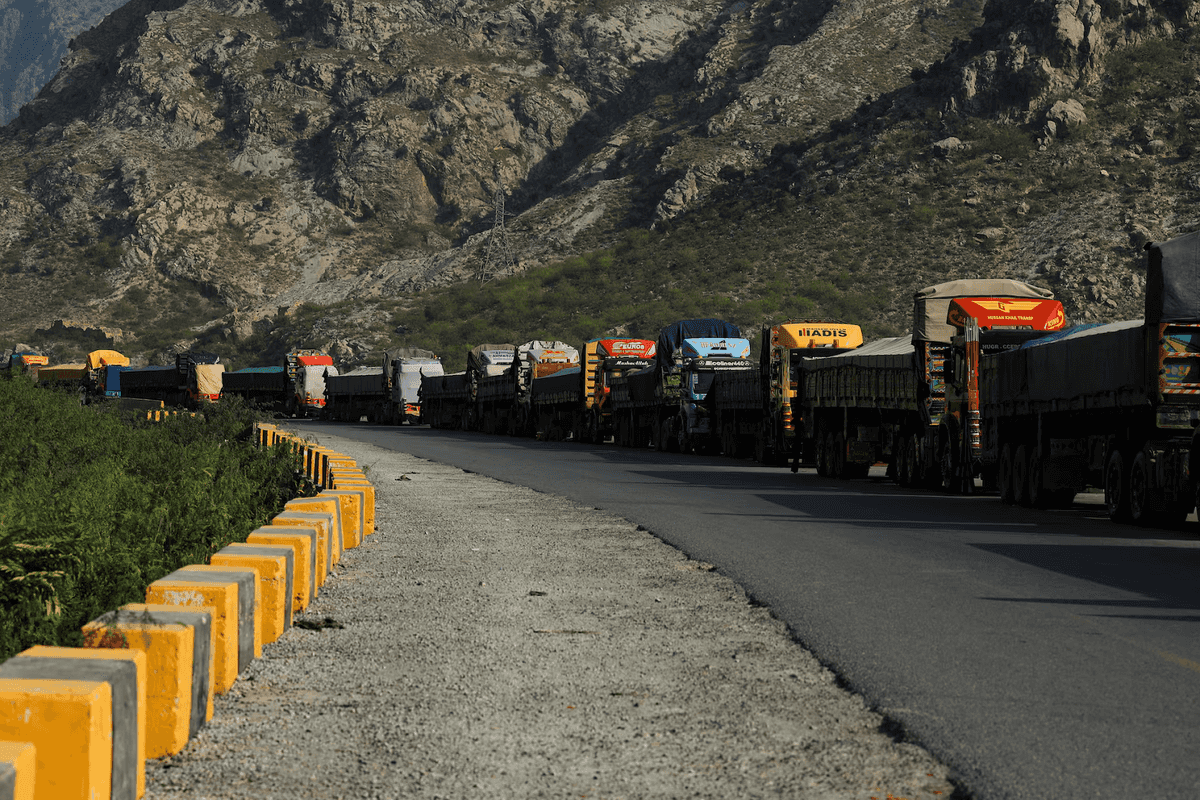
Pakistan has suffered more than $1.4 billion in trade and transit losses after the closure of its border with Afghanistan and disruptions to Gulf shipping routes linked to regional conflict. Officials presented the figures to the National Assembly Standing Committee on Commerce on Tuesday, warning that both crises have severely affected exports, transit earnings and supply chains.
Why has Pakistan lost more than $1.4 billion in trade?
Pakistan's trade losses stem from two simultaneous disruptions. The closure of the Afghanistan border halted exports and transit trade to Central Asia, while tensions affecting the Strait of Hormuz disrupted shipping and air cargo links with Gulf markets. Together, the two crises have reduced exports, stranded cargo and cut transit revenue.
The figures provide the clearest official assessment yet of how the twin crises have affected trade, despite Pakistan's exports rising 18% to $31.8 billion during the July-April period of fiscal year 2025-26.
The first disruption began when Pakistan closed its border with Afghanistan on Oct. 11, 2025. The move brought bilateral trade and transit cargo bound for landlocked Central Asian states to an almost complete halt.
Exports to Afghanistan fell sharply from $818 million during the same seven-month period a year earlier to just $85.6 million by April 2026. More than 7,500 containers became stranded at ports and border crossings, while trucks carrying pharmaceuticals, cement, tractors, motorcycles, processed food and edible oil remained stuck on both sides of the frontier.
How much did the Afghanistan border closure cost Pakistan?
Pakistan typically earns about $200 million a year by transporting goods through Afghanistan to Kazakhstan, Kyrgyzstan, Tajikistan, Turkmenistan and Uzbekistan. That revenue stream stopped entirely after the border closure.
Officials told lawmakers that Pakistan lost $705 million in direct exports and another $100 million in transit earnings between October 2025 and April 2026. The total impact linked to the Afghanistan route reached $805 million.
The shutdown also left transporters and traders facing mounting losses as cargo remained immobilized for months. Perishable goods deteriorated while businesses lost access to one of Pakistan's most important regional trade corridors.
Before those losses could be absorbed, a second challenge emerged through Pakistan's southern trade routes.
How did Gulf shipping disruptions affect Pakistan's exports?
The escalating confrontation involving the United States, Israel and Iran disrupted sea and air routes through the Strait of Hormuz, affecting trade with Gulf Cooperation Council countries.
Pakistani exports such as textiles, rice, fresh produce and manufactured goods rely heavily on Gulf markets. Around 80% of Pakistan's Gulf trade moves through Dubai's Jebel Ali port, making the suspension of shipping line operations between Pakistan and the Gulf in March 2026 particularly damaging.
Air freight cancellation rates reached 30% during the same month. Pakistan's exports to GCC countries declined 2.2% during the July-April period, with larger drops recorded in Oman, Qatar and Bahrain.
Officials warned that direct exports to GCC markets could fall by another $600 million over the next three to six months if conditions fail to stabilize. They also cautioned that rising global energy prices are increasing Pakistan's import costs.
What steps has Pakistan taken to protect trade routes?
The government said it launched several measures to reduce the impact on exporters. A high-level committee chaired by the Special Assistant to the Prime Minister for Industries and Production held eight meetings before a dedicated trade council was established to monitor developments.
Authorities increased freighter flight frequencies, removed ad hoc airport handling charges and negotiated lower air freight rates with Gulf airlines. Export shipments were rerouted from Jebel Ali to Jeddah in Saudi Arabia and the Omani ports of Sohar and Salalah.
Pakistan National Shipping Corporation tankers were deployed to transport petroleum from Saudi Arabia and the UAE. A smaller PNSC commercial vessel also began operating between Karachi and Khorfakkan on May 18, 2026.
On the western front, Pakistan activated the Iran corridor as an alternative route to Central Asia. Since December 2025, more than 7,000 trucks carrying about 200,000 metric tons of kinnow and potatoes worth $40.2 million have reached Central Asian markets through Iran.
The government also extended waivers on financial instrument requirements for traders exporting food, medicines and rice to Iran, Central Asia and Azerbaijan. Islamabad held talks with China in March 2026 and convened a Quadrilateral Traffic in Transit Agreement meeting in April to explore additional trade routes that could include Uzbekistan and Tajikistan.
Officials said consultations with the private sector and Gulf partners remain ongoing as the government seeks to stabilize trade flows and provide relief to exporters affected by the two conflicts.





Comments
See what people are discussing