

JAAC presses ahead with June 9 Azad Kashmir shutdown after government talks fail
Pakistan-administered Kashmir's JAAC protest movement is pushing ahead with a June 9 indefinite shutdown after talks with the government broke down over a 38-point agreement.

Ali Hamza
Correspondent
Ali; a journalist with 3 years of experience, working in Newspaper. Worked in Field, covered Big Legal Constitutional and Political Events in Pakistan since 2022. Graduate of DePaul University, Chicago.
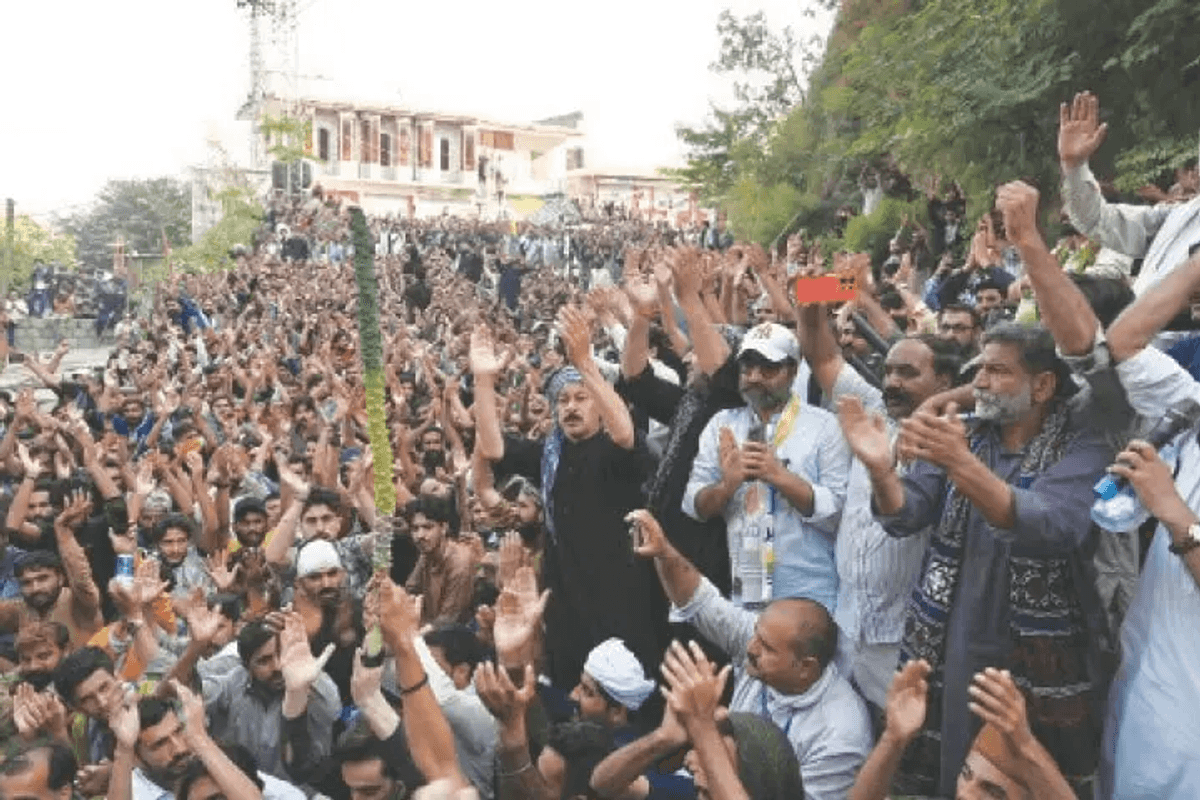
JAAC says the governments of Pakistan and Pakistan-administered Kashmir have not fully delivered on commitments made in October 2025.
AFP/File
The Jammu and Kashmir Joint Awami Action Committee said it will launch an indefinite region-wide shutdown in Pakistan-administered Kashmir on June 9, after talks with federal and regional authorities broke down without a deal. The group says both governments have failed to fully implement a 38-point agreement signed in October 2025, seven months after it was agreed.
Why is JAAC calling a strike in Azad Kashmir?
JAAC says the governments of Pakistan and Pakistan-administered Kashmir have not fully delivered on commitments made in October 2025. The committee announced the June 9 shutdown in February, giving authorities several months to act. It argues that responsibility for any escalation lies with governments that have failed to honor the agreement.
What are JAAC's demands in the Kashmir protests?
The 38-point charter covers a wide range of political, economic and governance issues. Key demands include abolishing the 12 legislative assembly seats reserved for Kashmiri refugees based in Pakistan, withdrawing cases filed against activists during earlier protests, and implementing electricity and flour subsidies. The list also covers judicial and administrative reforms, anti-corruption measures, infrastructure development and expanded local government powers.
JAAC has been particularly firm on the refugee seats question, describing it as a matter of principle rather than numbers. "For us, one seat is illegitimate and twelve seats are illegitimate," the committee said, calling for their complete removal. The group rejected media claims that several issues had already been resolved, challenging authorities to identify which demands had been fully met.
What happened at the all-parties conference in Muzaffarabad?
Prime Minister Faisal Mumtaz Rathore convened an all-parties conference on Wednesday in Muzaffarabad, where political and religious parties adopted resolutions supporting democratic continuity and constitutional governance. Participants called on political and social groups to pursue dialogue and peaceful engagement. The conference also expressed support for national security institutions and raised concern over what it described as Indian propaganda campaigns targeting state institutions in the territory.
JAAC declined its invitation to attend, saying it had already rejected a similar proposal during negotiations with Pakistani and regional authorities on May 30. In a letter to Rathore, the committee said consulting political actors who benefit from what it called an unequal political structure could not substitute for implementing the October agreement.
What did the all-parties conference say about refugee assembly seats?
The conference described refugee representation in the Legislative Assembly as a historical and constitutional reality. It said electoral reforms could be considered through the assembly following consultations with political parties, legal bodies, civil society and constitutional experts. The conference also resolved that assembly elections would be held within the constitutionally mandated timeframe, with administrative and security measures taken to ensure free and fair polls.
JAAC rejected that position, accusing both governments of attempting to portray progress where little had been achieved. The committee said conditions on the ground did not reflect the claims being made in official statements and in media coverage. The planned June 9 shutdown is set to test the regional government's ability to maintain stability as debate over constitutional reform and electoral arrangements intensifies.



Comments
See what people are discussing