

Iran says MoU suspended after US 'violated its commitments'
Iran says the Islamabad MoU is suspended after the US violated its commitments, as strikes escalate and the death toll passes 50

News Desk
The News Desk provides timely and factual coverage of national and international events, with an emphasis on accuracy and clarity.
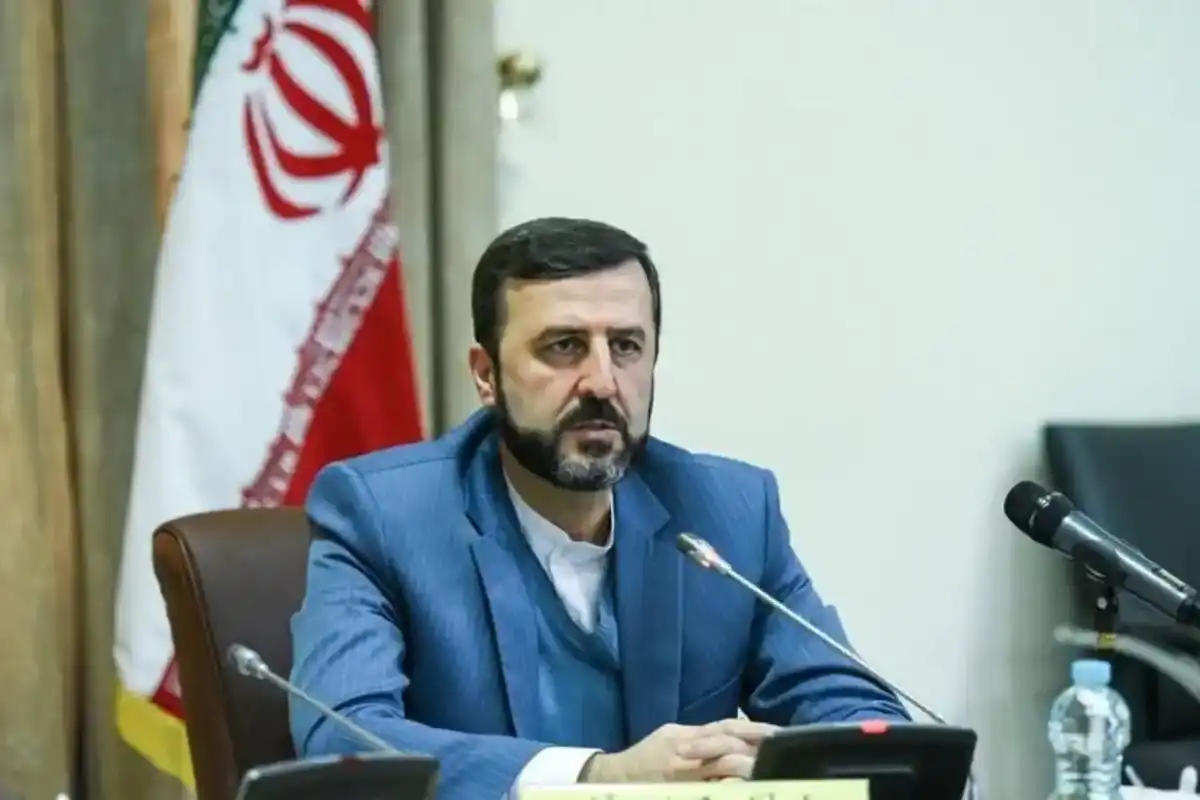
Tehran accused Washington of targeting civilian infrastructure, including an airport, railway station and several bridges.
Iran's Deputy Foreign Minister Kazem Gharibabadi said on Saturday that Tehran had suspended its commitments under the Islamabad memorandum of understanding (MoU), accusing the United States of failing to honour the Pakistan-brokered agreement reached last month.
The announcement came amid escalating strikes across the region and reports that 50 people had been killed in the latest fighting.
Why did Iran suspend the Islamabad MoU?
Iran suspended its commitments because it accused the United States of violating and abandoning its own obligations under the agreement first.
"The US has violated and suspended all its commitments within the framework of the Islamabad MoU," Gharibabadi said in a statement carried by Iran's semi-official Fars news agency. He added that Iran had stopped implementing its commitments and was instead focused on defending the country.
🎥 غریبآبادی: تعهداتمان در تفاهمنامه اسلامآباد را متوقف کردهایم
معاون حقوقی وزارت خارجه: آمریکا تمام تعهداتش در چهارچوب یادداشت تفاهم اسلامآباد را زیر پا گذاشته و متوقف کرده است.
ما هم تعهدات خود را متوقف کردهایم، در حال اجرای آنها نیستیم و مشغول دفاع از کشوریم. pic.twitter.com/OEn89rB0EC
— خبرگزاری فارس (@FarsNews_Agency) July 18, 2026
What was the Islamabad MoU meant to achieve?
The memorandum was signed in Islamabad in June, aiming to halt the conflict between the US and Iran and pave the way for a lasting peace agreement. Hostilities have continued to escalate despite the deal, with renewed fighting widening in scope as both sides target strategic infrastructure and military facilities across the region. Iran launched strikes on infrastructure in Gulf states on Saturday and warned it would resume a full-scale offensive if US attacks continued.
Tehran accused Washington of targeting civilian infrastructure, including an airport, railway station and several bridges. Gharibabadi told Iranian state television that the United States was not getting anywhere with these aggressive actions and urged Washington to pursue alternative solutions instead. Major General Mohsen Rezaei, a senior military adviser to Iran's supreme leader, said Iran would no longer limit itself to like-for-like responses and warned that no political border would be safe.
How has the conflict spread across the Gulf?
The conflict spilled further into the Gulf as Iran struck an oil facility and a power and water plant in Kuwait, according to Kuwaiti authorities, while Bahrain said its air defences intercepted a wave of Iranian attacks. Kuwait accused Iran of deliberately targeting civilian infrastructure after the attack on its power and water plant forced several electricity generation units offline, marking the second such strike in as many days. Kuwait's state oil company also reported damage and injuries following an attack on an oil installation.
The attacks have heightened anxiety among residents, with growing concern over possible disruptions to essential services and supply chains. "The demand for water and canned goods has increased since this morning amid fears that services or supply chains will be affected," said Kuwait resident Hassan Rayan, 61. Another resident, Ali Mahmoud, 46, said streets and beaches were almost empty despite the public holiday.
Bahrain said Iran targeted an air base used by US forces, while Iranian state media reported that fuel storage facilities at Jordan's Al-Azraq base had also been struck. Jordan's military said it intercepted 10 missiles and reported no casualties or damage. Jasem Mohamed Albudaiwi, secretary general of the Gulf Cooperation Council, condemned the attacks as war crimes warranting international accountability, saying they deliberately targeted civilian infrastructure.
How many people have been killed in the latest fighting?
Iran's Health Ministry said on Friday that 50 people had been killed and more than 500 wounded since the latest round of fighting erupted. State news agency IRNA reported that US attacks killed three people and injured eight in the southern province of Hormozgan on Saturday. Local authorities said 116 telecommunications towers had been knocked out of service, disrupting landline, mobile and internet connectivity in parts of the province.
In neighbouring Khuzestan province, local officials said US attacks had hit 95 locations across 12 cities over the past 10 days, killing eight people, according to Tasnim news agency. Iran also accused the United States of targeting power facilities and desalination plants in the southern village of Bonji, disrupting drinking water supplies to several nearby villages. Iran's Energy Ministry urged residents to reduce electricity consumption and avoid using air conditioners during peak hours to ease pressure on the national power grid.
Is a negotiated settlement still possible?
Prospects for a negotiated settlement have faded despite continued diplomatic efforts by mediators to bring both sides back to the table. US President Donald Trump earlier this week threatened further strikes on Iranian infrastructure, although Washington has not officially confirmed carrying out those attacks. David Khalfa, a Middle East specialist at the Paris-based Jean-Jaurès Foundation, said an expanding range of strategic infrastructure had become caught up in the conflict.
"The paradox is that, while the conflict continues to escalate, neither side has a strategic interest in allowing this dynamic to continue. Yet both perceive any compromise as a form of capitulation," Khalfa told AFP. The latest escalation followed Iranian attacks on shipping in the Strait of Hormuz, a vital route for Gulf energy exports. Iran closed the strategic waterway after the war began with US-Israeli strikes in late February, turning control of the strait into a key point of leverage in its confrontation with Washington.



Comments
See what people are discussing