

KCCI flags threat to regulatory independence amid proposed NEPRA changes
KCCI official says weakening NEPRA would harm Pakistan’s economic recovery

Business Desk
The Business Desk tracks economic trends, market movements, and business developments, offering analysis of both local and global financial news.
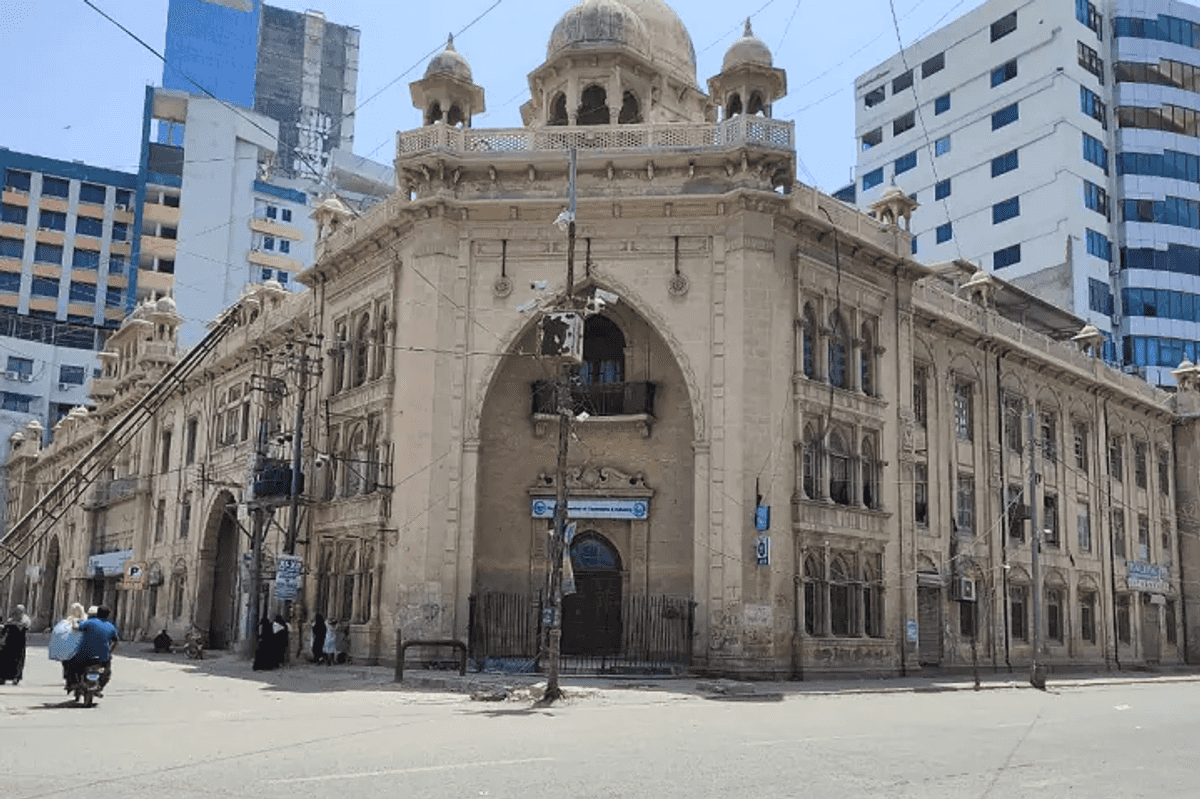
KCCI official says amendments undermine regulatory independence and transparency.
Nukta
Acting President of the Karachi Chamber of Commerce & Industry (KCCI), Muhammad Raza, has voiced serious concern over proposed amendments to the NEPRA Act, 1997, and the Electricity Act, 1910, which could place the National Electric Power Regulatory Authority (NEPRA) under the administrative control of the Power Division.
Raza said the amendments threaten the very foundation of regulatory independence, a globally recognized principle essential for transparency, predictability, and credibility in utility regulation.
He cautioned that bringing NEPRA under direct executive oversight could compromise its ability to make impartial, technically sound, and cost-reflective decisions, thereby eroding confidence in Pakistan’s power sector governance.
“Independent regulators exist to act as neutral arbiters between the government, utilities, investors, and consumers,” Raza said. “Turning NEPRA into a subordinate body of the Power Division risks politicizing tariff decisions and regulatory actions, which must remain insulated from short-term administrative or political pressures.”
He warned that weakening NEPRA’s autonomy could severely impact investor confidence at a time when private sector participation is urgently needed to address persistent inefficiencies, mounting circular debt, and ongoing capacity payment issues in the power sector. Regulatory certainty, Raza noted, is critical to attract investment and lower the cost of capital for both existing and new projects.
Raza also highlighted the potential impact on industrial and commercial consumers, who already face high electricity tariffs and unreliable supply.
“An independent regulator ensures fair scrutiny of costs, efficiency benchmarks, and service standards,” he said. “A regulator under administrative control may be forced to prioritize short-term fiscal or political considerations over long-term sustainability and consumer protection.”
He questioned the rationale behind the amendments, emphasizing that disagreements between regulators and ministries should be resolved through structured dialogue and institutional mechanisms, not by undermining regulatory independence. Such moves, he said, could reverse years of reforms aimed at strengthening governance and accountability in the power sector.
Raza urged the government to reconsider the amendments and engage in comprehensive consultations with all stakeholders, including chambers of commerce, industry representatives, energy experts, and consumer bodies. “Pakistan’s economic revival depends on transparent, credible, and independent institutions,” he said, “and weakening NEPRA would be a regressive step with long-term negative consequences for the economy.”


Comments
See what people are discussing