

Pakistan minister apologizes for power outages, blames gas, hydel shortage
Leghari says load-shedding is being implemented uniformly across urban and rural areas

Business Desk
The Business Desk tracks economic trends, market movements, and business developments, offering analysis of both local and global financial news.
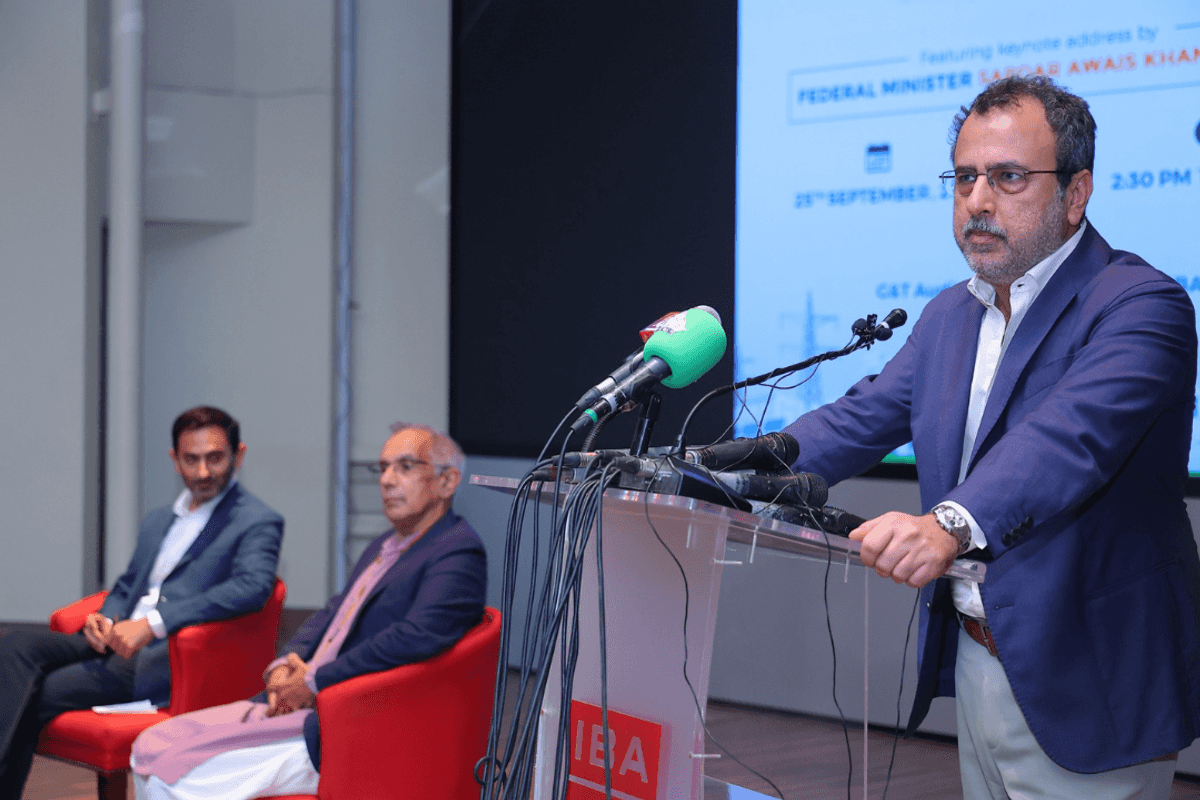
Pakistan’s power minister has apologized for the ongoing electricity outages across the country and assured the public that the inconvenience is temporary, caused by reduced hydropower generation and disruptions in liquefied natural gas (LNG) supplies.
Speaking at a press conference in Islamabad on Thursday, Awais Ahmad Khan Laghari said the government is working to stabilize the situation.
“We regret the hardship faced by citizens due to load-shedding, but we have always worked to bring the country out of darkness,” he said.
Leghari said Pakistan is facing a significant energy shortfall, with hydropower generation dropping sharply from about 3,200 megawatts last year to roughly 1,671 megawatts this year.
He added the decline has created a deficit of around 1,600 megawatts, while disruptions in LNG imports, including supply issues linked to Qatar, have caused an additional shortfall exceeding 3,000 megawatts.
He said electricity demand in April has fluctuated between 9,000 and 20,000 megawatts, with load-shedding increasing when demand surpasses approximately 16,500 megawatts.
Each 500-megawatt shortfall results in about one hour of outages, he added.
To bridge the gap, the government is currently generating around 1,400 megawatts of electricity from furnace oil and maximizing all available sources. Load-shedding is being implemented uniformly across urban and rural areas, as well as in the industrial sector.
However, Leghari said no outages are being carried out in Hyderabad or in areas served by K-Electric, which is drawing about 2,100 megawatts from the national grid.
He noted that improved water flows at the Tarbela Dam could increase power generation, potentially adding up to 500 megawatts to the system in the coming days.
Leghari attributed part of the crisis to global factors beyond the government’s control, including gas supply disruptions linked to regional conflicts. He said LNG imports have declined since April due to force majeure conditions affecting supplies from Qatar.
He also dismissed what he described as “irresponsible statements” circulating on social media about the crisis and reiterated that no daytime load-shedding is being conducted or planned.
The minister said the government has reduced electricity prices over the past two years and is working to secure cheaper gas supplies rather than relying on more expensive LNG imports.
Leghari said he has discussed water security and power issues with President Asif Ali Zardari and expressed optimism that improving global conditions and increased hydropower generation will help eliminate outages in the coming weeks.
“This is temporary load-shedding,” he said. “Once LNG supplies resume and hydropower generation increases, the situation will improve.”


Comments
See what people are discussing