

Judicial transfer dispute deepens in Pakistan as chief justice reverses stance
Shift in Pakistan judiciary over judge transfers raises questions about independence and seniority disputes

Ali Hamza
Correspondent
Ali; a journalist with 3 years of experience, working in Newspaper. Worked in Field, covered Big Legal Constitutional and Political Events in Pakistan since 2022. Graduate of DePaul University, Chicago.
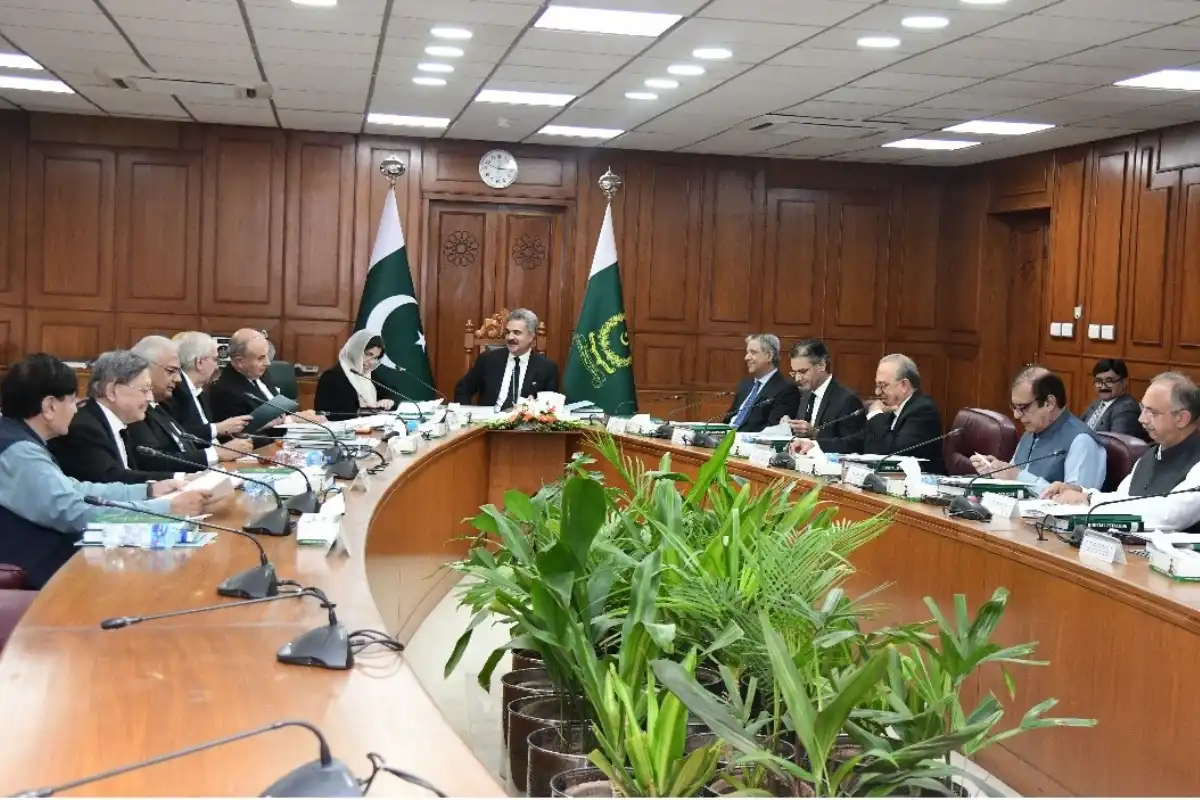
Pakistan's Chief Justice Yahya Afridi has reversed his earlier position on judicial transfers, now opposing a government-backed proposal to reorganize the Islamabad High Court after previously endorsing similar steps, intensifying debate over judicial independence across the country.
Afridi had supported the February 2025 transfer of three judges from provincial high courts to the Islamabad High Court, arguing it reflected Pakistan’s federal structure and ensured broader regional representation across the judiciary system overall.
In a sharply worded order issued this week, he warned that transferring sitting judges could set an undesirable, far-reaching precedent by treating judges as administratively interchangeable or disposable in terms.
The shift has prompted questions about whether Afridi acted from concerns over institutional independence or in response to internal judicial pressure within the system itself here.
February transfers
The controversy began when three judges were transferred to the Islamabad High Court in February 2025, including Justice Sardar Muhammad Sarfraz Dogar from the Lahore High Court, ranked 15th in seniority rank standing.
Dogar’s transfer made him senior puisne judge at the Islamabad High Court, displacing Justice Mohsin Akhtar Kayani, who had criticized external pressure on the judiciary in a public forum.
The move altered the court’s seniority structure, affecting administrative authority, committee memberships, case rosters, and bench formation.
Critics, including lawyers and commentators, said the transfers were an attempt to influence proceedings in politically sensitive cases; overall perception grew.
Judges objected to seniority changes
Five Islamabad High Court judges, including Kayani, Babar Sattar, and Tariq Mahmood Jahangiri, formally challenged the revised seniority list.
They argued that transferred judges should not automatically retain seniority from their previous courts, but their objections were rejected, deepening divisions inside.
The same judges later boycotted Dogar’s oath-taking ceremony as acting chief justice and filed petitions in the Supreme Court challenging the transfers.
Delays in key political cases
The dispute unfolded as several high-profile political cases faced delays.
In May 2025, the Islamabad High Court registrar’s office said former Prime Minister Imran Khan’s appeal in the 190 million pound corruption case would not be listed that year due to backlog concerns.
At the same time, proceedings moved more quickly in cases involving rights lawyer Imaad Mazari and activist Hadi Ali Chatta, who were prosecuted under cybercrime laws over social media posts critical of security force conduct in Balochistan and Khyber Pakhtunkhwa.
A Supreme Court bench later said the trial involved serious due process concerns, including denial of the accused’s right to attend proceedings. Sentences were nonetheless handed down in January 2026, ruling.
Abrupt reversal
Afridi’s latest decision came when he declined a request from the Islamabad High Court chief justice to convene a Judicial Commission meeting for further transfers.
He said such moves risked giving transfers a punitive character and undermining the safeguards system.
That position contrasts with remarks he made in February 2025, when he said transfers were consistent with Article 200 of the Constitution and necessary to reflect Pakistan’s federal character framework.
What changed?
Legal analysts say the most likely explanation is sustained resistance from senior Islamabad High Court judges who opposed the earlier transfer plan.
Kayani, one of the most affected judges, lost seniority status and administrative influence after Dogar’s arrival change in impact.
By April 2026, criticism of the February reshuffle grew, and divisions within the judiciary became a nationwide concern.
Some observers also point to mounting international scrutiny of judicial independence issues.
Judiciary remains divided
The dispute is far from over.
A majority of the Judicial Commission of Pakistan has reportedly requisitioned a meeting for April 28 despite Afridi’s refusal to convene one, raising the prospect that efforts to pursue further transfers may continue soon.
The episode exposed deep fractures within Pakistan’s judiciary and renewed concerns over courts operating free from political influence at a large system wide.
Afridi’s reversal leaves a central question unanswered: why were February transfers defended as necessary reforms, only for similar moves to be rejected months later without clarity?
Whether the shift marks a principled stand or tactical retreat, it has sharpened doubts over the autonomy of Pakistan’s judicial system and overall independence concerns.



Comments
See what people are discussing