

Telecom industry pushes for tax cuts in FY27 budget to spur 5G investment
Industry proposes cuts in mobile taxes, duties on 5G equipment and fiber imports

Haris Zamir
Business Editor
Experience of almost 33 years where started the journey of financial journalism from Business Recorder in 1992. From 2006 onwards attached with Television Media worked at Sun Tv, Dawn Tv, Geo Tv and Dunya Tv. During the period also worked as a stringer for Bloomberg for seven years and Dow Jones for five years. Also wrote articles for several highly acclaimed periodicals like the Newsline, Pakistan Gulf Economist and Money Matters (The News publications)
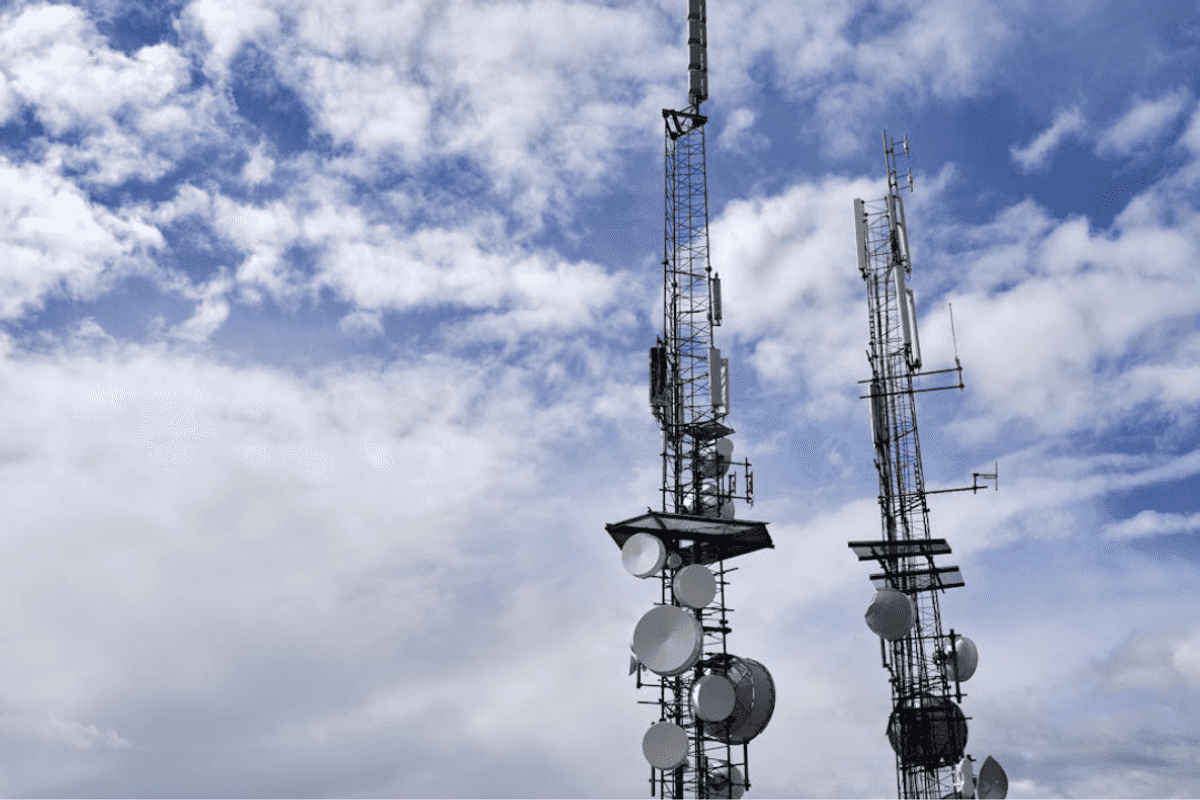
Telecom industry pushes for tax cuts
Pakistan's telecom industry has called for broad tax relief measures in the federal budget for fiscal year 2026-27, arguing that lower taxes and duties are essential to accelerate investment in digital infrastructure, support 5G deployment and expand access to digital services across the country.
The telecom sector, a key driver of Pakistan's digital economy, says it has contributed more than PKR 2.5 trillion in taxes and levies to the national exchequer over the past decade while continuing to operate under one of the region's heaviest tax regimes.
Industry stakeholders say the sector faces multiple layers of taxation, including a 19.5% general sales tax on telecom services, a 15% advance income tax on mobile services under Section 236 of the Income Tax Ordinance, a 6% withholding tax under Section 153, a 2.5% regulatory duty on telecom services, a 29% corporate income tax and an additional 10% super tax on profits.
Telecom operators also face taxes and import duties ranging from 15% to 20% on telecom equipment, a 15% tax on dividend payouts and duties of up to 67% on optic fiber cable imports. According to industry estimates, mobile users currently bear a cumulative tax burden of nearly 37% on prepaid services.
Ahead of the budget, telecom companies have proposed a series of fiscal reforms aimed at improving affordability, encouraging investment and advancing Pakistan's digital transformation agenda.
Among the key proposals is a reduction in the withholding tax under Section 153 from 6% to 4% and an extension of the carry-forward period for turnover tax under Section 113 from two years to five years. The industry says the measures would improve cash flows, support early deployment of 5G networks and ultimately increase tax collection through higher economic activity.
Operators have also sought a complete exemption from customs duties on imported 5G equipment. Industry estimates suggest eliminating these duties could unlock approximately PKR 12 billion in additional capital expenditure, accelerating network upgrades and expanding 5G coverage.
The sector has further proposed reducing the advance income tax on mobile services under Section 236 from 15% to 8%. Telecom companies argue that lower taxes would make services more affordable, increase mobile penetration and support greater digital adoption across the country.
Another key proposal seeks to reduce duties and taxes on optic fiber cable imports from 67% to 5%. Industry stakeholders say the move would lower network deployment costs, accelerate fiber rollout and improve broadband quality and coverage nationwide.
Telecom operators have also urged the government to introduce administrative tax reforms, including revoking the commissioner's authority to reject advance tax estimates filed under Section 147 of the Income Tax Ordinance. They argue the measure would improve the ease of doing business by reducing disputes, lowering compliance costs and providing greater certainty to taxpayers.
Separately, the GSM Association (GSMA) has urged the government to adopt a more balanced and predictable fiscal framework in the Finance Bill 2026-27 to support long-term digital growth.
The global mobile industry body recommended rationalizing telecom-specific taxes, improving the affordability of mobile services and devices, simplifying the taxation framework, reducing distortionary taxes affecting capital allocation and introducing policies that encourage network expansion and digital inclusion.
While acknowledging recent reforms in spectrum pricing and auction mechanisms, the GSMA said spectrum-related measures alone would not be sufficient to achieve Pakistan's digital ambitions without broader fiscal reforms.
Industry representatives said telecom should be viewed not only as a source of government revenue but also as a strategic sector capable of supporting economic growth, innovation and digital inclusion. They argued that lower taxes and duties would encourage investment in 5G networks and fiber infrastructure, expand access to digital services and help advance Pakistan's digital transformation goals.
The proposals come ahead of the FY2026-27 federal budget, as telecom operators and industry groups push for fiscal reforms they say are needed to support investment in 5G networks, broadband expansion and wider digital adoption across Pakistan.





Comments
See what people are discussing