

Pakistan moves toward first strategic oil reserve amid supply security concerns
International consultants invited to develop blueprint for emergency fuel stockpiles as global supply risks and geopolitical tensions grow

Haris Zamir
Business Editor
Experience of almost 33 years where started the journey of financial journalism from Business Recorder in 1992. From 2006 onwards attached with Television Media worked at Sun Tv, Dawn Tv, Geo Tv and Dunya Tv. During the period also worked as a stringer for Bloomberg for seven years and Dow Jones for five years. Also wrote articles for several highly acclaimed periodicals like the Newsline, Pakistan Gulf Economist and Money Matters (The News publications)
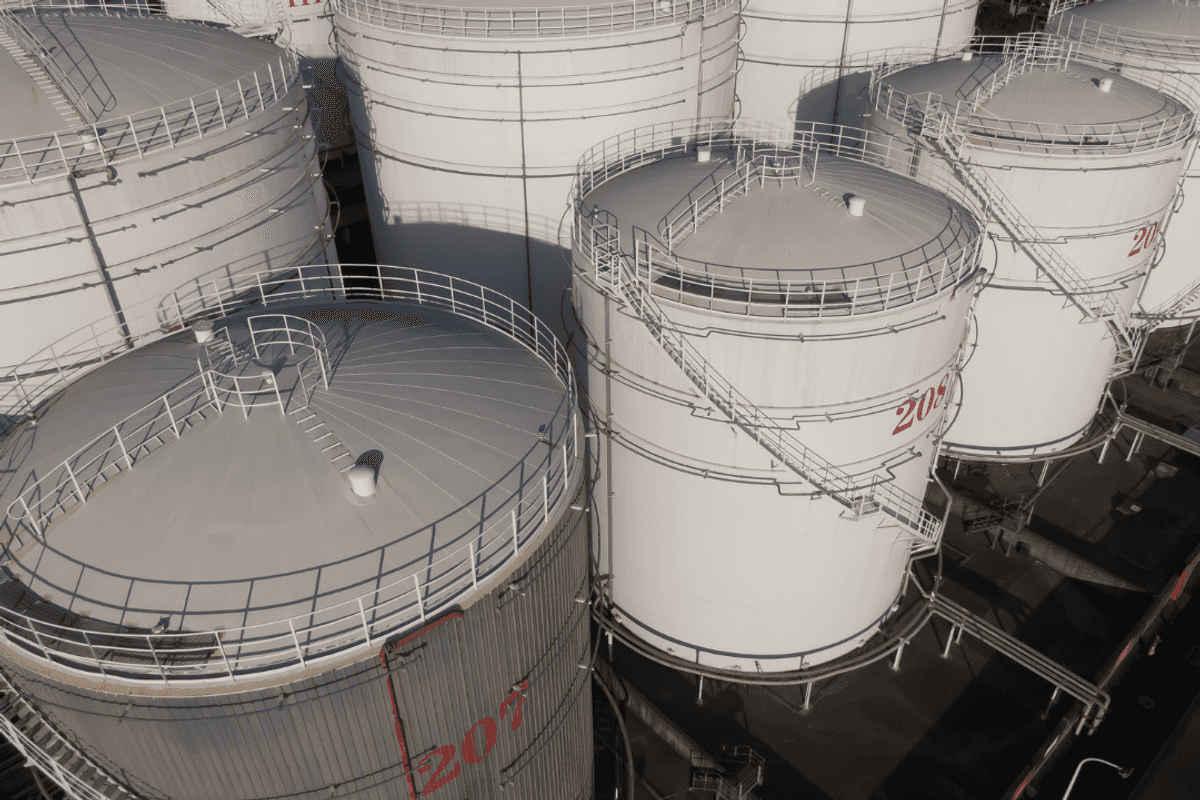
Pakistan takes first step toward strategic oil reserve
None
Pakistan has begun work on what could become one of the country's most significant energy security projects by launching a feasibility study for its first strategic petroleum reserve amid growing concerns about supply disruptions linked to regional conflicts and volatility in global energy markets.
State-owned Pakistan LNG Ltd. (PLL) has invited international consulting firms to bid for a comprehensive study examining how Pakistan can establish emergency oil and fuel stockpiles similar to those maintained by major economies, including the United States, China, India and Japan.
The initiative comes as governments worldwide reassess energy security strategies following geopolitical tensions in the Middle East, a region that supplies a substantial share of the world's crude oil and liquefied natural gas. For Pakistan, which imports most of its oil and gas requirements, any disruption in regional supply chains can quickly lead to higher energy costs, inflationary pressures and economic instability.
According to tender documents issued by PLL, the study will evaluate storage infrastructure requirements, potential locations, financing mechanisms, governance structures and emergency release procedures for a future strategic petroleum reserve system.
Pakistan currently has no dedicated strategic petroleum reserves, leaving the country vulnerable to sudden interruptions in fuel supplies. Energy experts have long argued that the absence of emergency stockpiles represents a major weakness in the country's energy security framework.
The urgency of the project has increased following recent supply concerns in global LNG markets and heightened geopolitical tensions across the Middle East. Pakistani officials have previously faced challenges securing energy supplies during periods of market disruption, exposing the economy to external shocks.
Strategic petroleum reserves are designed to provide governments with emergency access to fuel during crises. Most members of the International Energy Agency maintain reserves capable of covering 30 to 90 days of net imports or domestic consumption, allowing authorities time to respond to supply disruptions without immediate economic consequences.
For Pakistan, establishing such reserves would represent a significant shift in energy policy. The country has experienced recurring energy shortages over the past decade while struggling with foreign exchange constraints and rising import bills.
PLL, a subsidiary of Government Holdings (Private) Ltd. operating under the Petroleum Division of the Ministry of Energy, has been tasked with leading the initiative. The selected consultant will be required to assess international best practices and recommend a model suited to Pakistan's economic and logistical conditions.
The study will also examine whether Pakistan should adopt aboveground storage facilities, underground caverns or a hybrid approach commonly used in other countries. Financing remains another critical issue, as strategic reserves typically require substantial investment both for infrastructure development and for purchasing petroleum inventories.
Industry analysts view the feasibility study as the first concrete step toward building a national energy buffer capable of mitigating future supply shocks. While the project remains in the planning stage, the government's decision to move forward reflects growing recognition that energy security has become increasingly intertwined with geopolitical developments.
The timing is particularly significant as countries across Asia seek to strengthen strategic reserves following years of disruptions caused by pandemics, regional conflicts and volatility in global commodity markets.
Consultants have until July 1 to submit proposals through Pakistan's electronic procurement system. Once completed, the study is expected to provide a blueprint for a project that could strengthen Pakistan's energy security and reduce its exposure to external supply shocks.
If implemented, the strategic petroleum reserve would mark a major milestone in Pakistan's efforts to build resilience against disruptions in global energy supplies while aligning the country more closely with international energy security practices.





Comments
See what people are discussing