

Pakistan’s large industries grow 10.4% as automotive, petroleum sectors boom
In the first five months of the 2025-26 fiscal year, the LSM index went up 6% year-on-year

Business Desk
The Business Desk tracks economic trends, market movements, and business developments, offering analysis of both local and global financial news.
The figures suggest manufacturing is gaining traction after signs of earlier softness
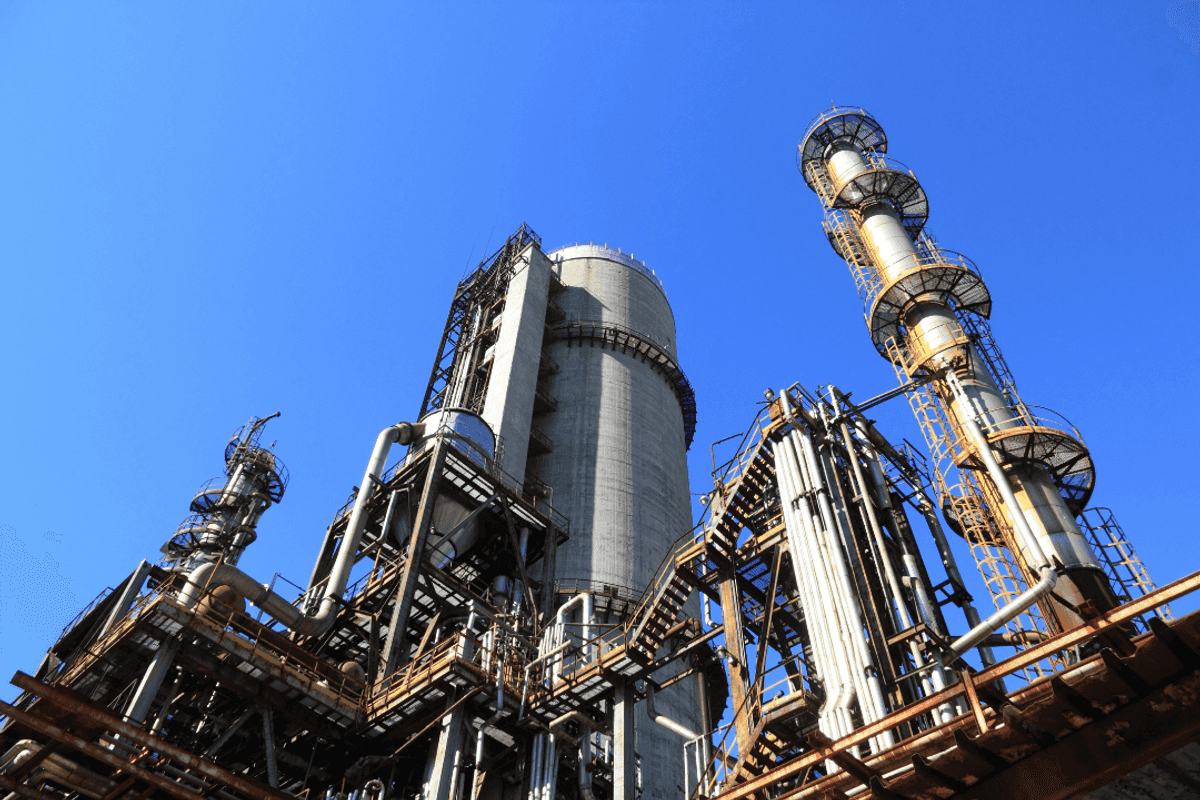
Pakistan’s large-scale manufacturing (LSM) sector showed stronger activity in November, with industry output rising 10.4% year-on-year and 0.2% month-on-month.
The figures — part of broader economic data tracked ahead of official gross domestic product results — suggest manufacturing is gaining traction after signs of earlier softness.
In the first five months of the 2025-26 fiscal year, the LSM index was up 6% compared with the same period a year earlier.
“Growth was led by a 61% year-on-year increase in automobiles, 44% in petroleum products, 33% in beverages, and 18% in wearing apparel,” the Topline Research report said.
Pharmaceutical products were slightly up at 0.3%, the report added.
However, the report noted uneven performance across subsectors — machinery and equipment output declined 16% year-on-year in November, while leather products fell 2.3%.
The stronger manufacturing numbers have prompted analysts at Topline Research to revise their outlook for the sector.
In a report published on December 31, the brokerage house raised its LSM growth forecast for fiscal year 2026 to 4.0%, up from an earlier projection of 2.5%.
The revised target aligns with the government’s broader economic objectives for FY26, which aim to accelerate industrial production and support overall gross domestic product growth through enhanced investment, export promotion, and domestic demand.
Analysts say the robust performance in key industries such as automobiles and petroleum reflects both pent-up demand and the impact of policy measures designed to ease input costs and improve supply conditions.
Despite the positive trend, policymakers caution that challenges remain, including the need to sustain confidence, manage inflationary pressures, and address structural constraints in lagging subsectors.
The latest LSM data will be closely watched as one of the key indicators shaping Pakistan’s FY26 economic trajectory and policy response.
The State Bank of Pakistan, in its monetary policy statement on December 15, said the latest high-frequency indicators reinforce the earlier assessment of ongoing robust momentum across key sectors. Industrial performance remains strong.
At the same time, the ongoing challenging export environment poses some risks for the industrial outlook.
In the agriculture sector, incoming information about major crops also supports the previous assessment.
The latest information on area under wheat crop, input conditions, and government-backed incentive schemes indicates that wheat production may surpass the target. These positive developments in commodity-producing sectors are likely to support services sector activity as well.
In this backdrop, real GDP growth for FY26 is expected to remain in the upper half of the earlier projected range of 3.25 to 4.25%.



Comments
See what people are discussing