

Lucky Cement posts strong earnings, stays disciplined on capital use
Company cites risk limits after opting not to bid aggressively for PIA

Business Desk
The Business Desk tracks economic trends, market movements, and business developments, offering analysis of both local and global financial news.
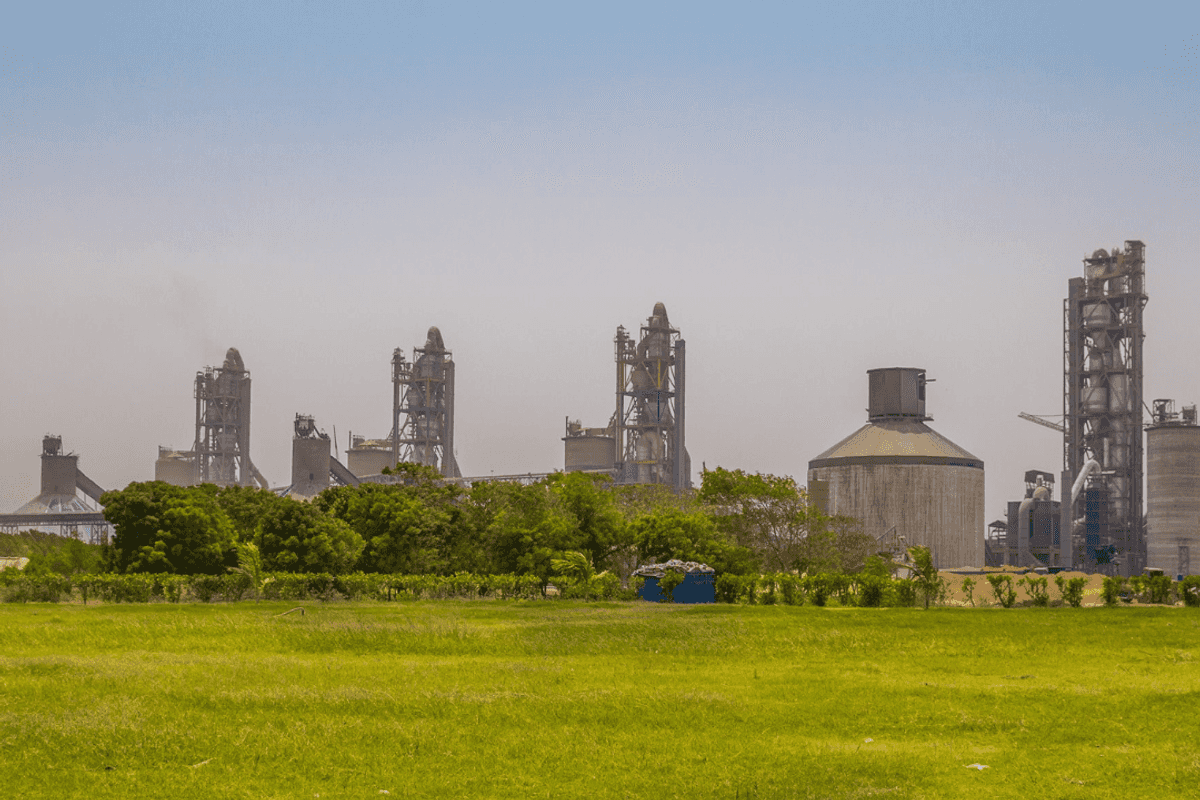
Lucky Cement Ltd. reported strong earnings growth and rising market share in the first quarter of fiscal year 2025-26, while its management reiterated a disciplined approach to capital allocation, including its decision not to bid aggressively in the privatization of Pakistan International Airlines, according to analysts at Arif Habib Ltd. and Topline Securities.
At an analyst briefing, Lucky Cement said its consortium opted not to bid beyond a certain price in the PIA privatization, reflecting its defined risk appetite and sector exposure limits. Management said excess cash is being retained as a contingency buffer and for potential future investment opportunities.
Lucky Cement posted consolidated earnings per share of PKR 52.53 for FY25, up from PKR 43.26 a year earlier. In the first quarter of FY26, consolidated EPS rose to PKR 15.01 from PKR 12.24 year-on-year.
On an unconsolidated basis, profit surged 123% to PKR 14.62 billion, driven by stronger demand and other income of PKR 9.0 billion, compared with PKR 3.3 billion in the same period last year, the company said.
“Higher domestic dispatches and significant other income supported profitability in the quarter,” Arif Habib Ltd. said in a note, adding that Lucky Cement’s earnings momentum reflects an improving industry outlook.
Domestic cement dispatches rose 17.7% year-on-year to 1.6 million tons in the quarter, lifting Lucky Cement’s market share to 38.1% from 31.8% a year earlier. Export volumes increased 1% to 0.83 million tons, mainly from the southern region. Management guided for 9% to 10% growth in local sales in FY26, signaling what it described as an industry turnaround.
Average domestic cement retention prices stood at about PKR 15,200 per ton in the quarter, according to the company. Average coal costs were around PKR 34,000 per ton, with international coal prices remaining favorable at about $90 to $100 per ton.
Topline Securities noted that Lucky Cement is shifting its fuel mix toward imported coal due to the unavailability and higher cost of Afghan coal. The company’s southern plant is operating entirely on imported coal, while the northern plant used about 20% imported coal in the quarter, compared with none previously. Transportation costs of coal from the south to the north range between PKR 8,000 and PKR 10,000 per ton, management said.
Renewable energy accounted for about 50% of the company’s power requirements in the quarter, with the remainder met through grid and thermal sources. Weighted average electricity cost stood at roughly PKR 32.5 per kilowatt-hour under the government’s incentive package. Management said furnace oil is no longer a viable option due to high levies.
Net revenue rose 14% year-on-year to 33.9 billion rupees in the first quarter, though gross profit slipped 1% due to reimbursement of the debt component in revenue. Margins in the automobiles and mobile phone segments are expected to remain stable, analysts said.
On exports, Africa remains the primary destination, with new markets such as the United States and Brazil added to the portfolio. Sri Lanka, however, is facing pricing pressure.
Overseas cement operations are running at about 90% utilization. The company also began commercial operations at its 0.65 million-ton grinding plant in Samawah, Iraq, in November, and announced the addition of a 1.3 million-ton-per-annum line in Congo.
Topline Securities said management views ongoing consolidation in the cement sector positively, citing potential synergies and improved competitive dynamics. However, no immediate expansion is planned in Pakistan due to surplus capacity.
Any future mining sector investments will be feasibility-driven and could range between $500 million and $1 billion, the company said.
Looking ahead, management said local coal availability is expected to improve once Sindh Engro Coal Mining Company’s Phase III comes online, with Thar coal likely to be available by the fourth quarter of FY26.





Comments
See what people are discussing