

Majority of EU countries demand emergency talks following Ceuta migrant influx
Leaders of 22 European Union nations signed an open letter calling for an urgent meeting to address the sudden arrival of tens of thousands of migrants in Spain's Ceuta enclave

News Desk
The News Desk provides timely and factual coverage of national and international events, with an emphasis on accuracy and clarity.
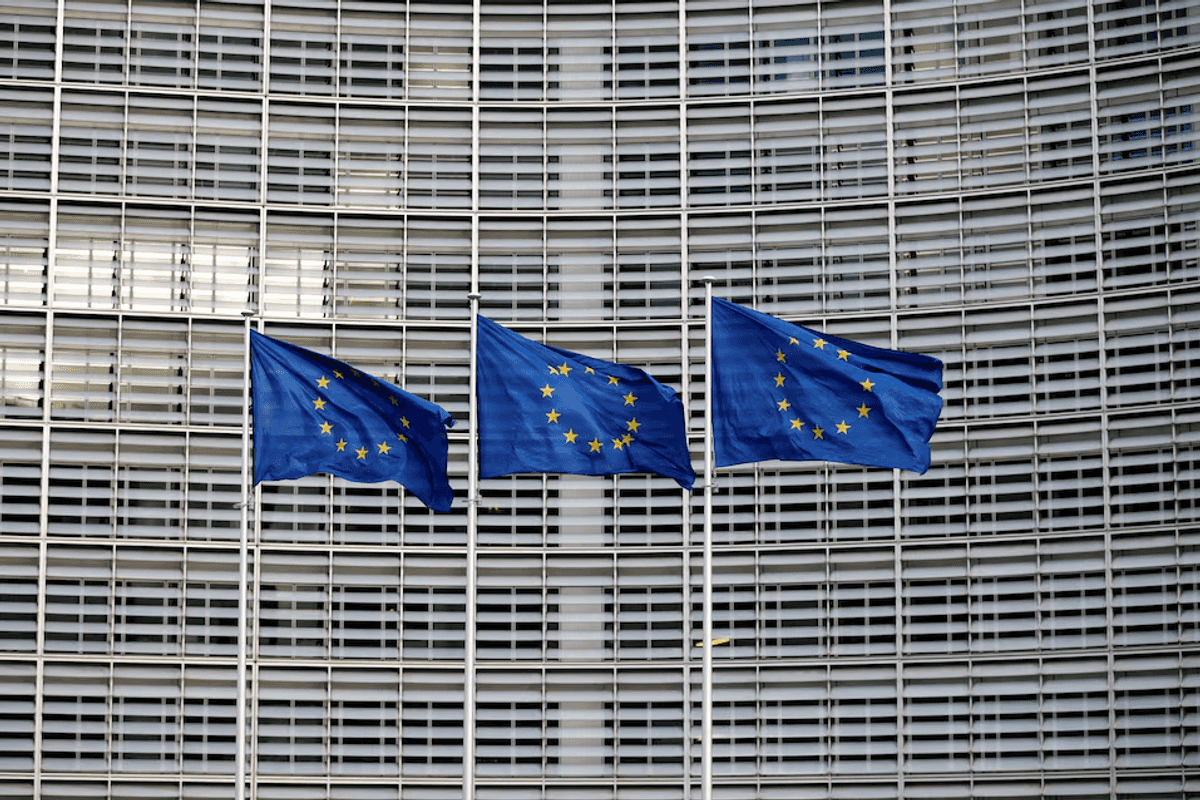
A clear majority of European Union member states called on Saturday for emergency talks regarding the sudden arrival of tens of thousands of migrants in Spain's North African enclave of Ceuta.
In an open letter signed by leaders of 22 of the 27 EU nations, member states demanded that the bloc's interior ministers hold an extraordinary video conference on Tuesday to agree on a swift, coordinated response and prevent further uncontrolled border breaches.
Why are European leaders demanding an extraordinary EU meeting?
The joint diplomatic letter was spearheaded by Italian Prime Minister Giorgia Meloni and Danish Prime Minister Mette Frederiksen, both of whom have advocated for significantly tighter border enforcement measures.
According to reporting by Arab News, the list of signatories includes German Chancellor Friedrich Merz along with the prime ministers of Hungary, Sweden, and Poland. Notably absent from the joint petition were the leaders of France and Portugal, the two nations that share direct geographical borders with Spain.
The signatories argued in their collective statement that European nations have an absolute duty to effectively deter and combat illegal migration. European leaders emphasized that uncontrolled mass crossings and the potential instrumentalization of migration create a dangerous public perception that unauthorized entry into the European Union is possible, which risks encouraging further irregular attempts and eroding public trust in common migration policies.
How are European authorities responding to the Ceuta border crisis?
Ireland, which currently holds the rotating presidency of the Council of the EU, confirmed that the extraordinary meeting of interior ministers will take place on Tuesday. European Union foreign policy chief Ursula von der Leyen welcomed the decision, stating that the bloc requires a comprehensive review process to strengthen European resilience, while emphasizing that not a single migrant reached mainland Spain or entered the wider European continent during the influx.
The open letter suggests that interior ministers evaluate enhanced operational support from the European border agency Frontex and review the overall effectiveness of EU cooperation with Morocco. Italian Prime Minister Giorgia Meloni publicly reinforced that defending the external borders of the Union is a shared responsibility of Europe rather than the sole burden of an individual border nation.
The regional emergency stems from an incident earlier in the week when an estimated 60,000 migrants crossed into the Spanish enclave of Ceuta from neighboring Morocco.
However, Spain's interior ministry confirmed on Saturday that nearly all of those who breached the border have already departed or been processed, bringing local conditions in Ceuta back to near-normal levels while maintaining strict Schengen border controls for onward air and sea travel.


Comments
See what people are discussing