

Nicaragua accuses Germany of 'multiple violations' in Gaza genocide case at ICJ
Nicaragua tells the ICJ that Germany's arms support for Israel breaches the Genocide Convention, as Berlin seeks to have the case dismissed.

News Desk
The News Desk provides timely and factual coverage of national and international events, with an emphasis on accuracy and clarity.
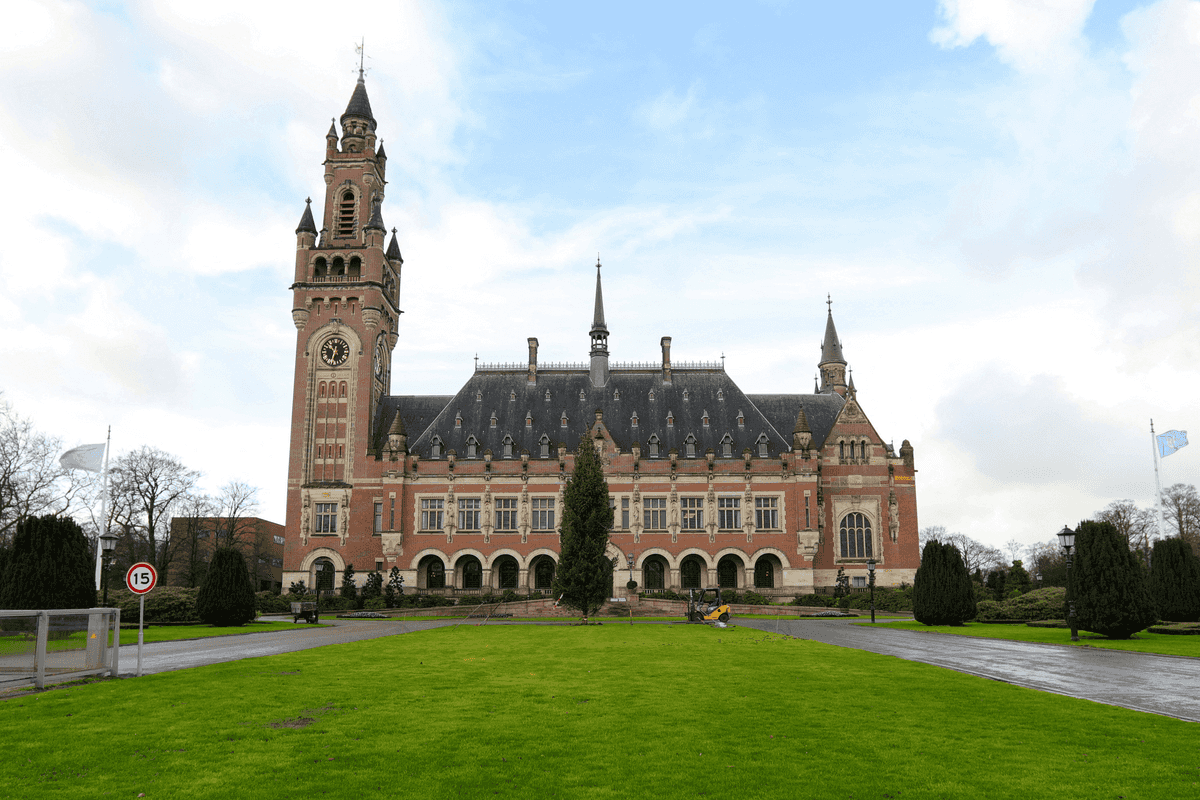
Nicaragua accused Germany on Tuesday of "multiple violations of international law" at the United Nations' top court, arguing Berlin is complicit in what it called genocide in Gaza. The case, filed at the International Court of Justice in The Hague, centers on Germany's arms shipments to Israel.
Why has Nicaragua taken Germany to the ICJ over Gaza genocide?
Nicaragua argues that Germany breached the 1948 UN Genocide Convention by continuing to support Israel militarily and financially during its assault on Gaza. Managua says this support, particularly arms exports, makes Berlin complicit in serious violations of international humanitarian law.
What did Nicaragua argue in court?
Nicaragua's ambassador, Carlos Jose Arguello Gomez, told the court that Germany bears responsibility "in connection to multiple violations of international law, particularly in respect of the odious scourge of genocide and international humanitarian law." He said Nicaragua's claims involve some of the most serious breaches of obligations under general international law.
The ICJ, which rules on legal disputes between states, has already rejected an earlier Nicaraguan request for emergency measures against Germany, including a demand to halt arms exports to Israel. The case is continuing regardless, and Germany is now seeking to have it dismissed entirely.
How is Germany defending itself against the claims?
Germany argues that the ICJ lacks jurisdiction and that Nicaragua's case does not hold up. On Monday, the first of four hearing days, German representative Julia Monar cited Berlin's "unwavering support for the existence and security of the State of Israel," while noting Germany is also one of the largest bilateral donors to the Palestinian Territories.
Monar said all German military exports to Israel, as to any country, face strict licensing requirements that exceed international standards. She said Nicaragua's statements "create an inaccurate and distorted picture."
What happens next in the case?
The ICJ typically takes about six months to issue a ruling in cases like this one. Judges could side with Germany and dismiss the case outright, or rule against Berlin, sending the dispute forward for a detailed hearing "on the merits."
This case runs separately from a higher-profile ICJ proceeding in which South Africa accuses Israel of genocide in Gaza, a charge Israel denies. ICJ rulings are legally binding, though the court has no power to enforce them, as shown by its unmet order for Russia to end its invasion of Ukraine.




Comments
See what people are discussing