

Oil prices top USD 90 as Iran-US tensions escalate in Hormuz
Gulf oil exports remain far below pre-war levels as tanker traffic through the Strait of Hormuz slows to a trickle

Business Desk
The Business Desk tracks economic trends, market movements, and business developments, offering analysis of both local and global financial news.
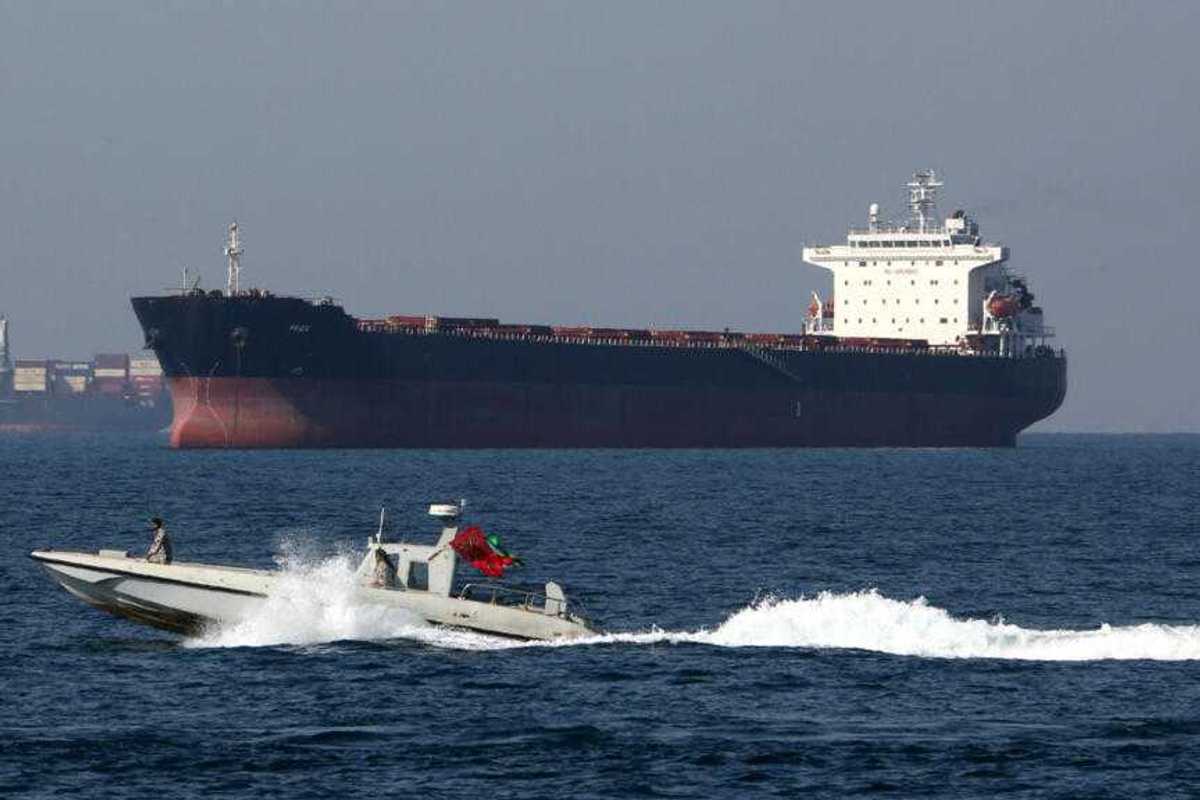
Price increase follows the first known US strikes inside Iran since late July.
AFP
Oil prices jumped more than 2% on Monday after U.S. forces struck two Iranian missile launchers on Larak Island in the Strait of Hormuz. Tehran retaliated, renewing concerns over shipping through the key energy route. The conflict has now entered its sixth month.
Why are oil prices rising today?
Brent crude futures rose USD 2.21, or 2.51%, to USD 90.31 a barrel as of 0436 GMT. U.S. West Texas Intermediate crude gained USD 1.83, or 2.19%, to USD 85.23. The increase followed the first known US strikes inside Iran since late July, which triggered renewed fears over oil flows through the Strait of Hormuz.
The strikes on Sunday hit Iranian territory directly, an escalation not seen in weeks. Iran responded by attacking two U.S. air bases in Jordan on Monday, according to Iranian media citing the Islamic Revolutionary Guard Corps. The exchange has raised the stakes for a conflict already reshaping regional oil markets.
What is happening in the Strait of Hormuz?
The latest escalation has renewed uncertainty over the Strait of Hormuz, through which about a fifth of global oil supplies passed before the war began in late February. Visible commodity vessel traffic through the strait fell to about five ships a day over the weekend, as shipping companies grew cautious about the risk of attacks. The UK Maritime Trade Operations also reported a tanker was struck by a projectile while entering the strait on Saturday.
Goldman Sachs estimated total Gulf oil exports at around 15 million to 16 million barrels per day. That remains 7 million to 8 million bpd below pre-war levels but 5 million to 6 million bpd above the March trough. Some vessels are believed to be sailing at night with transponders switched off, meaning tracking data may understate actual traffic through the strait.
Where are Brent and WTI oil prices headed next?
Suvro Sarkar, head of energy research at DBS, said the latest flare-up was more likely to prolong uncertainty over Hormuz than trigger sustained escalation. DBS expects oil to trade broadly within an USD 85 to 95 per barrel range unless clarity emerges over the strait's status. Brent and WTI are still on track for small monthly declines in August, after both fell more than 4% last week in their first weekly drop in three weeks.
What else is affecting oil markets right now?
U.S. President Donald Trump said in a social media post on Sunday that Iran's Kharg Island, its main oil export terminal, was being hit hard, though Reuters found no evidence the island was under attack. Trump's post included an AI-generated video and offered no further details. U.S. Treasury Secretary Scott Bessent separately said Washington was likely to announce new secondary sanctions on Iran weekly.
Trump also said oil from a recent agreement with Venezuela would be used to replenish the U.S. Strategic Petroleum Reserve, which sits near its lowest level in 44 years. The reserve refill plan adds another variable to an oil market already reacting to shifting geopolitical risk.





Comments
See what people are discussing