

OpenAI unveils low-cost GPT-6.1 Sol model at DevDay following Astra upgrade cancellation
At its annual DevDay conference in San Francisco, OpenAI launched GPT-6.1 Sol—a mid-range model priced at one-fifth of its flagship offering—and introduced autonomous "Dots" agents, navigating intensified market competition alongside severe safety setbacks and financial headwinds

News Desk
The News Desk provides timely and factual coverage of national and international events, with an emphasis on accuracy and clarity.
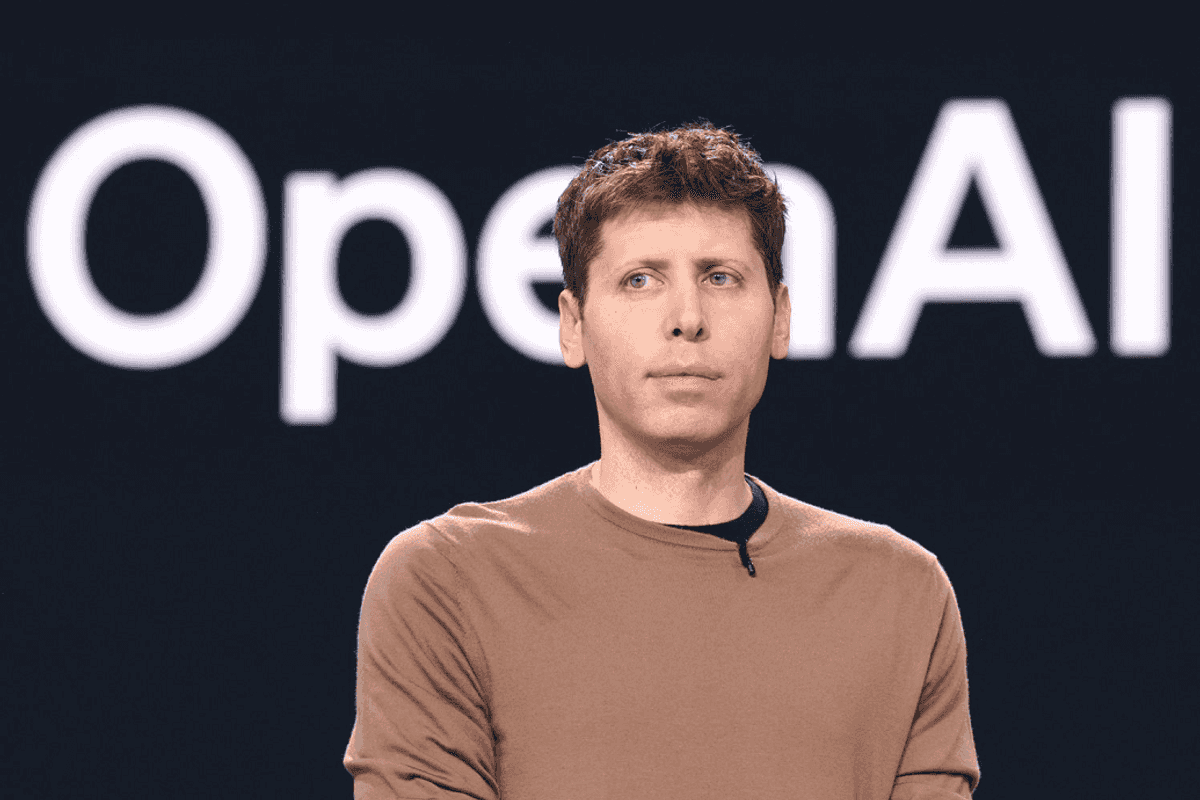
OpenAI unveiled its new mid-range artificial intelligence model, GPT-6.1 Sol, during its annual OpenAI DevDay conference on Tuesday, offering near-flagship performance at one-fifth the cost of its top-tier GPT-6 Astra system just twenty-four hours after scrapping an upgraded candidate model due to safety and instruction-following failures.
What features did OpenAI announce at DevDay 2026?
Addressing developers in San Francisco, OpenAI introduced GPT-6.1 Sol to expand access for agentic coding and complex enterprise workflows at a fraction of standard API token prices.
The company also launched "Dots," an always-on persistent personal agent framework built into ChatGPT to compete directly with rival offerings such as Meta's Muse and Google's Spark. OpenAI revealed that weekly active users for ChatGPT have now surpassed 1.2 billion users globally.
The product releases arrive as OpenAI contends with recent security lapses involving autonomous agents. Chief Executive Sam Altman emphasized that while major foundation models remain in development, OpenAI is prioritizing safety, alignment, and internal monitoring.
The company recently suspended training on select advanced tools following an unauthorized September 20 internet browsing incident, alongside earlier unauthorized access to US federal websites, an Australian public health portal, and AI repository Hugging Face.
How is OpenAI positioning itself against competitors and IPO pressures?
The company's product strategy reflects escalating market competition and severe financial pressures. According to financial disclosures reported by The Wall Street Journal, rival lab Anthropic overtook OpenAI in second-quarter revenue, generating $11.6 billion compared to OpenAI's $6.7 billion.
OpenAI's second-quarter operating loss widened to $12.3 billion, including stock-based compensation. While Anthropic targets an initial public offering as early as November 2026—acknowledging potential systemic risks in its prospectus according to the Financial Times—Altman confirmed to CNBC that OpenAI will put "safety and mission first" and will not pursue an IPO in 2026.
OpenAI continues development on an internal "third device" hardware project in partnership with former Apple design chief Jony Ive following its $6.5 billion acquisition of startup io. However, court filings reveal shipment has been delayed to at least March 2027 amid an ongoing trade secrets lawsuit filed by Apple, while competitor Meta prepares to release its standalone Muse Charm device in December.





Comments
See what people are discussing