

Top-order concerns persist as Pakistan look to continue winning momentum in tri-series
Pakistan have won both their matches while England aim to keep their campaign alive after losing their first two games

Syed Irtiza Ali
Associate Producer, Karachi
Syed Irtiza Ali is a sports journalist with writing experience since 2016. For five years, contributed freelance articles to The News on Sunday (TNS), on all major sports. In late 2021, joined Geo News as a Sports Sub-Editor. Have written bylines for TNS, Geo, and Geo Super. He aims to bring attention to overlooked sports such as squash and hockey.
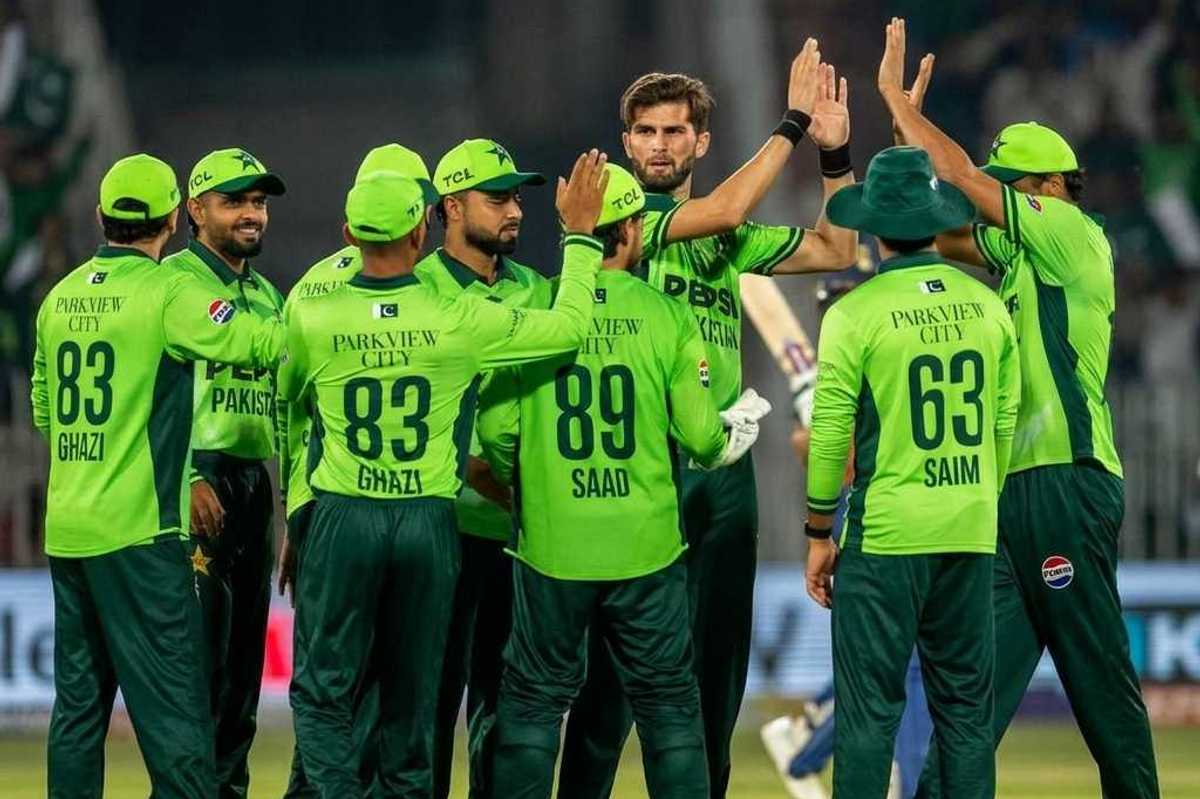
Pakistan has looked impressive with its pitch preparation, clarity of roles and ability to read the conditions in their first two matches of the ongoing tri-series.
PCB
Pakistan will look to continue their winning momentum as they take on England in the second round of the ODI tri-series, with the action shifting to Gaddafi Stadium in Lahore.
Coming off impressive victories in the first round, beating Sri Lanka by 37 runs and England by 87 runs, the Pakistan cricket team has looked like a well-oiled unit so far.
One of the most encouraging aspects of Pakistan’s performances has been the emergence of young players such as Arafat Minhas and Hasan Nawaz. The team has also impressed with its pitch preparation, clarity of roles and ability to read the conditions.
Salman Ali Agha set the tone with a brilliant 107 against Sri Lanka, while Arafat Minhas delivered a remarkable all-round performance against England, scoring 59 and taking six wickets. Hasan Nawaz also played a crucial knock of 79, helping Pakistan recover from 133-5 to post 303 against Harry Brook’s side.
Pakistan’s pace bowling attack has also looked sharp, with Shaheen Shah Afridi striking early and Haris Rauf and Naseem Shah providing breakthroughs through the middle and death overs.
What are Pakistan’s top-order concerns?
However, concerns remain over the hosts’ top order, particularly Fakhar Zaman and Saim Ayub. It is not that they have struggled to get starts; rather, they have repeatedly failed to convert them into substantial scores, throwing their wickets away at crucial moments.
Babar, who has scored 45 and 34 in the two matches, has displayed some impressive strokes but has also fallen in disappointing fashion. Fakhar scored 16 against Sri Lanka before being dismissed for a first-ball duck against England.
Saim, meanwhile, has managed just seven and eight in the two games, continuing his struggles with the bat. In his last 10 ODIs, he has scored just 250 runs, with only one half-century.
With Pakistan’s middle order and bowling attack stepping up, the top order will need to deliver more consistently as the team enters the second round of the ODI tri-series.
What can Pakistan learn from the England vs Sri Lanka ODI thriller?
However, the threat from both England and Sri Lanka remains significant, as highlighted by their high-scoring encounter in Rawalpindi.
Sri Lanka chased down England’s mammoth 429-4, securing a thrilling victory by three wickets with one ball to spare.
Harry Brook’s explosive 200 off 114 balls and Janith Liyanage’s unbeaten 61 off 27 balls under pressure showcased the power-hitting and attacking intent that define modern-day ODI batting.
This is the kind of fearless batting Pakistan have yet to demonstrate. Although the home team's bowling attack looks strong on paper, so conceding such a massive total doesn't seem likely.
Yet, England’s aggressive approach and Sri Lanka’s remarkable chase serves as a reminder that Pakistan’s batters must embrace a more aggressive approach.





Comments
See what people are discussing