

Pakistan has 25 million out-of-school children, parliament told
Pakistan's education minister told parliament 25.37 million children aged 5-16 are out of school, with Punjab alone accounting for nearly 9.6 million

Ali Hamza
Correspondent
Ali; a journalist with 3 years of experience, working in Newspaper. Worked in Field, covered Big Legal Constitutional and Political Events in Pakistan since 2022. Graduate of DePaul University, Chicago.
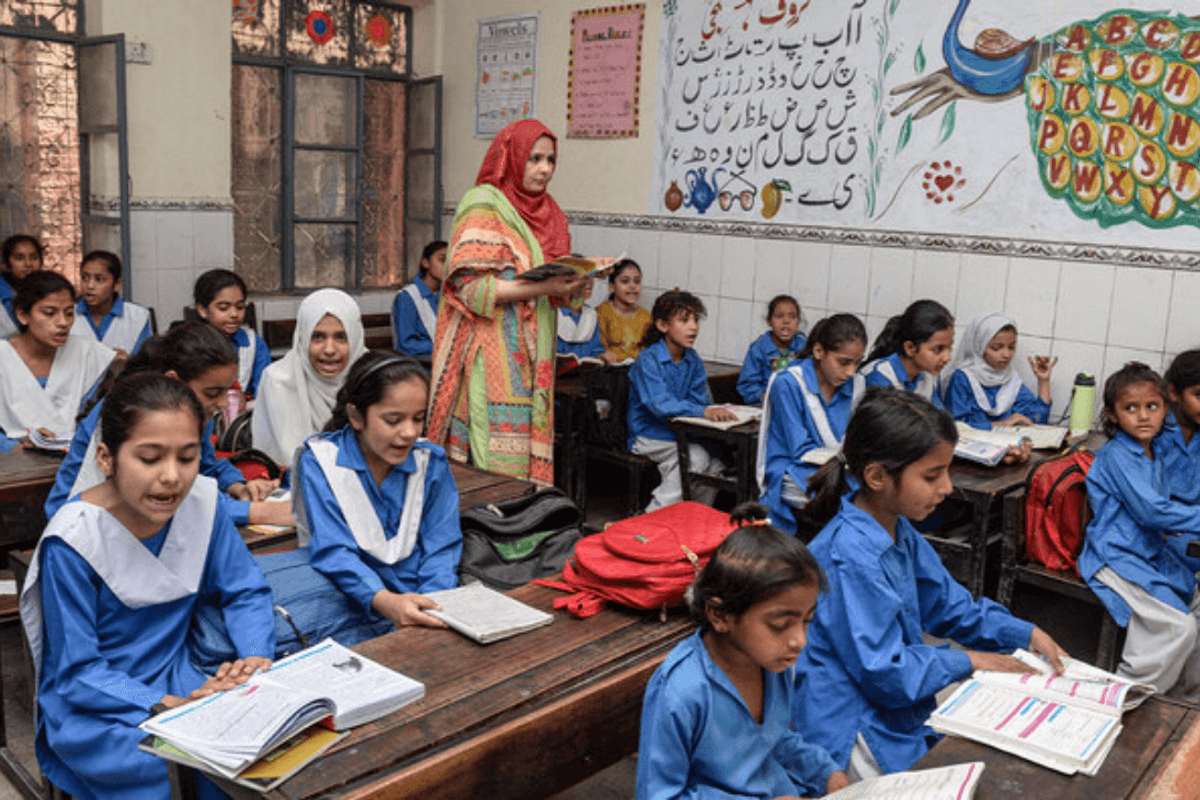
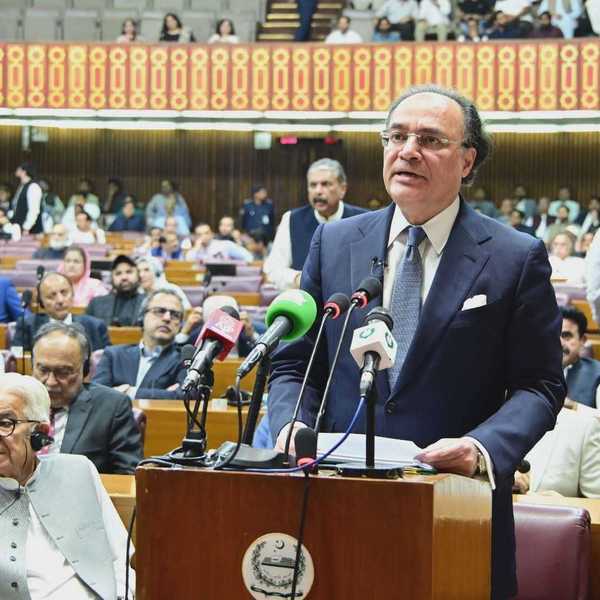
Pakistan has 25.37 million children between the ages of 5 and 16 who are out of school, Federal Education Minister Khalid Maqbool Siddiqui told parliament.
The figures, presented in response to a parliamentary question, are based on the 2023 population census and underscore the scale of the country's education crisis.
How many children are out of school in Pakistan?
Pakistan has 25.37 million out-of-school children aged 5 to 16, according to official data shared with the National Assembly. The country ranks among the highest globally for out-of-school youth.
The government has set a target to bring 22.76 million children into schools between 2026 and 2030 through annual enrollment targets under its National Action Plan.
Which province has the most out-of-school children?
Punjab recorded the highest number of out-of-school children at 9.60 million. Sindh followed with 7.82 million, Khyber Pakhtunkhwa with 4.92 million and Balochistan with 2.94 million. Islamabad Capital Territory accounted for around 90,000 children outside the school system.
How does Pakistan's education spending compare globally?
Pakistan's education expenditure stood at 0.8% of gross domestic product during the July 2024 to March 2025 period.
The UNESCO Institute for Statistics recommends countries spend between 4% and 6% of GDP on education. The ministry acknowledged that spending remains well below that benchmark.
What did the curriculum review find?
The government also shared findings from a nationwide review of the Single National Curriculum, now renamed the National Curriculum of Pakistan 2022-23.
The review found the curriculum aligned with national education goals and promoted higher-order thinking and 21st century skills. However, it identified significant implementation challenges across the country.
Among the concerns raised were overloaded subjects at the secondary level, repetition across learning objectives and a lack of representation of indigenous knowledge and regional languages. The review also flagged non-standardized textbooks, weak assessment practices and insufficient infrastructure and administrative support. Inadequate teacher training was cited as a further obstacle.
Teachers were found to be overburdened with administrative duties and faced difficulties in multi-grade and multi-subject teaching environments.
Student-to-teacher ratios in public schools varied considerably across regions. Punjab recorded the highest ratio at 36 students per teacher, while Sindh and Khyber Pakhtunkhwa each stood at 31.
Balochistan recorded 20 students per teacher, Pakistan-administered Kashmir 18, Gilgit-Baltistan 25 and Islamabad 30. The national average stood at 32 students per teacher, according to Pakistan Education Statistics 2023-24.

Comments
See what people are discussing