

Pakistan bank deposits hit record PKR37.88 trillion in April
Pakistan's bank deposits rose to a record PKR37.88 trillion in April 2026, topping the previous high of PKR37.51 trillion set just a month earlier.

Haris Zamir
Business Editor
Experience of almost 33 years where started the journey of financial journalism from Business Recorder in 1992. From 2006 onwards attached with Television Media worked at Sun Tv, Dawn Tv, Geo Tv and Dunya Tv. During the period also worked as a stringer for Bloomberg for seven years and Dow Jones for five years. Also wrote articles for several highly acclaimed periodicals like the Newsline, Pakistan Gulf Economist and Money Matters (The News publications)
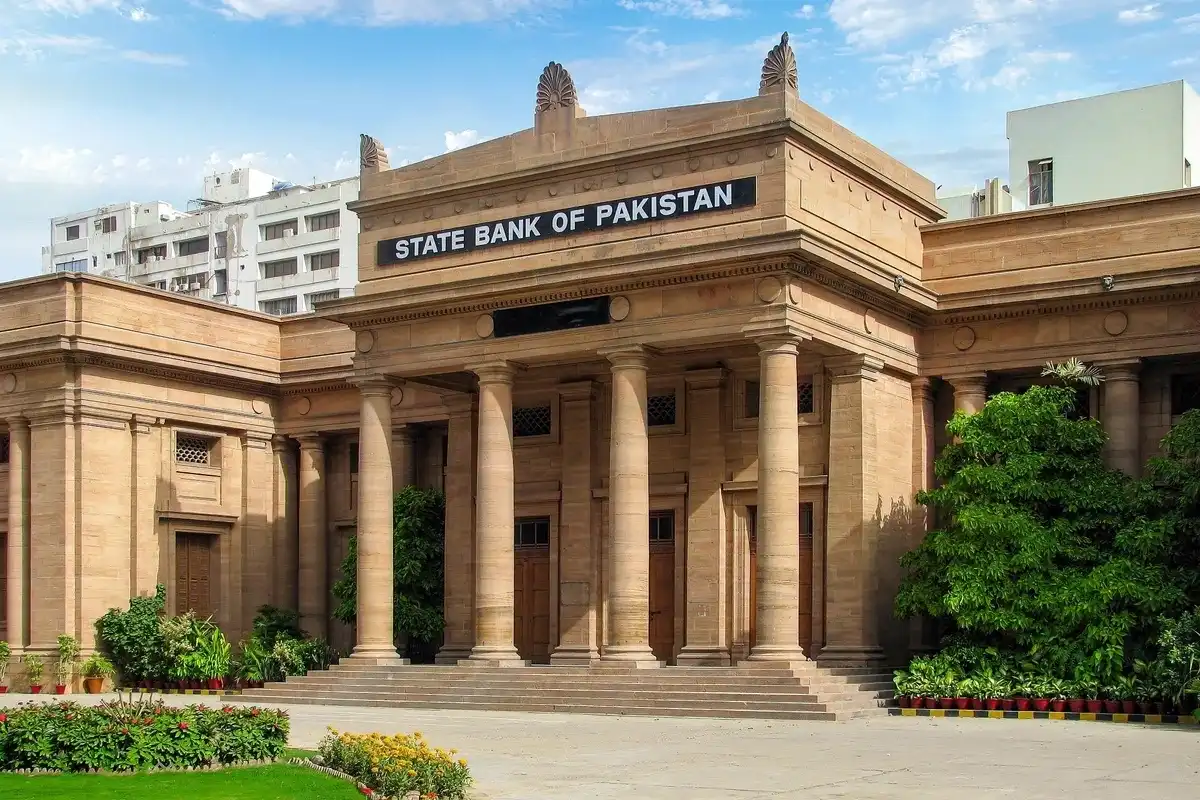
Pakistan's bank deposits climbed to a record PKR37.88 trillion at the end of April 2026, according to new data from the State Bank of Pakistan.
The figure surpassed the previous high of PKR37.51 trillion recorded in March 2026. Year-on-year, deposits grew more than 17% from PKR32.32 trillion in April 2025.
Why did Pakistan bank deposits reach a record high in April?
The surge in bank deposits was driven largely by higher interest rates, which encouraged both households and businesses to keep funds within the formal banking system.
The State Bank raised its benchmark policy rate by 100 basis points to 11.50% on April 27, effective April 28. Stronger risk-free returns made deposits a more attractive option compared with equities or real estate.
What did the central bank's rate hike mean for savers?
The April rate increase reversed months of monetary easing, during which the benchmark rate had gradually fallen from a peak of 22% to 10.5%.
The policy shift restored incentives for holding liquidity inside formal banking channels. One banking analyst said the higher-rate environment was prompting both households and corporates to earn better risk-free returns through deposits.
The same analyst noted that subdued business expansion and uncertainty in regional markets were limiting alternative investment opportunities.
With fewer compelling options elsewhere, funds flowed into savings and deposit accounts. Analysts said this dynamic reinforced the deposit base across commercial banks.
How did geopolitical uncertainty affect Pakistan's deposit growth?
Financial experts linked part of the deposit increase to slowing economic activity and weak investment appetite amid persistent geopolitical tensions in the Middle East.
Uncertain market conditions pushed investors and households toward safer financial channels rather than riskier assets. Bank deposits, seen as a stable and accessible store of value, absorbed much of that shift.
Economists said the expanding deposit base could strengthen liquidity across Pakistan's banking sector. However, weak private-sector investment may continue to weigh on broader economic growth in the coming months.
Higher deposits strengthen balance sheets but do not automatically translate into credit expansion or productive investment.




Comments
See what people are discussing