

Pakistan allows sub-Euro-5 fuel imports as Middle East tensions disrupt supplies
Senate panel told country has limited petroleum reserves as shipping disruptions affect energy markets

Aamir Abbasi
Editor, Islamabad
Aamir; a journalist with 15 years of experience, working in Newspaper, TV and Digital Media. Worked in Field, covered Big Legal Constitutional and Political Events in Pakistan since 2009 with Pakistan’s Top Media Organizations. Graduate of Quaid I Azam University Islamabad.
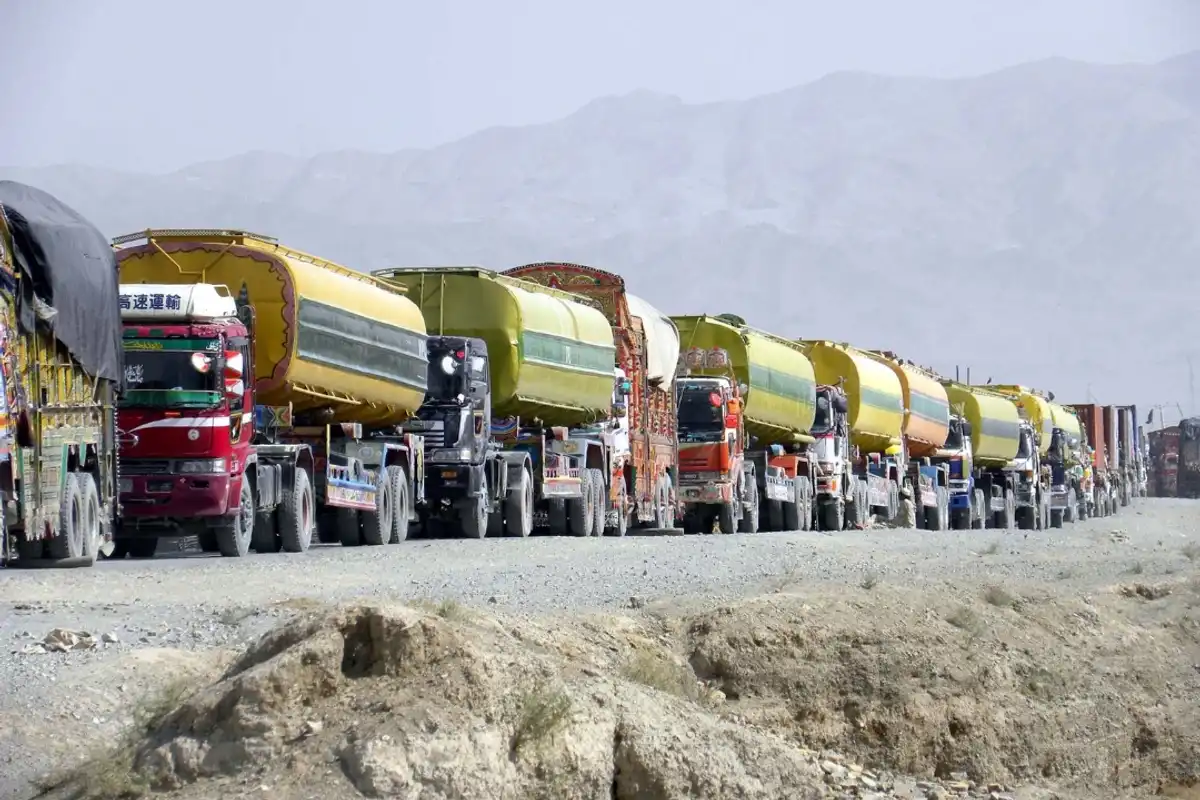
Pakistan has temporarily allowed imports of oil below Euro-5 quality standards to ensure fuel availability as tensions in the Middle East disrupt global energy supply chains, the Senate Standing Committee on Petroleum was told on Monday.
During a meeting chaired by Senator Manzoor Ahmed, the secretary petroleum said the government is working to increase the utilization of existing fuel reserves while maintaining supplies across the country.
He added that imports of oil with quality lower than Euro-5 standards have been temporarily permitted to address supply pressures.
The committee was also informed that a ministerial committee constituted by the prime minister is reviewing the petroleum situation on a daily basis.
Limited petroleum reserves
Officials told the committee that Pakistan currently has limited petroleum reserves.
According to the petroleum secretary, crude oil stocks are sufficient for 11 days, while high-speed diesel reserves can meet demand for 21 days. Petrol reserves are available for 27 days, LPG stocks for nine days, and JP-1 fuel reserves for 14 days.
He added that Pakistan previously maintained reserves for 28 days, when the government decided to increase fuel prices.
Despite rising global prices, fuel remains available across the country, the secretary said.
Middle East tensions affecting supply chains
The committee was told that about 70% of Pakistan’s petroleum supply comes from the Middle East, and rising tensions in the region have disrupted shipping movements and supply chains.
Under normal circumstances, oil shipments from Arab countries reach Pakistan within four to five days, officials said.
The petroleum secretary added that shipments through the Strait of Hormuz previously reached Pakistan in four days, while shipments rerouted through the Red Sea now take about 12 days.
Officials also warned that any attack on oil refineries in Saudi Arabia could disrupt production, further affecting global supply.
Global price surge
Highlighting volatility in international markets, the petroleum secretary said high-speed diesel prices have risen from $88 to $187 per barrel, while petrol prices increased from $74 to $130 per barrel.
He told the committee that before the conflict global crude prices stood at $72 per barrel, rising to $88 on the second day of the war and reaching $115 per barrel.
The committee was also informed that two tankers carrying petrol and diesel have already arrived.
IMF constraints and policy questions
The petroleum secretary said that under conditions set by the International Monetary Fund, Pakistan cannot provide subsidies on petroleum products.
He added that petroleum prices will now be determined on a weekly basis.
During the meeting, Senator Hidayatullah Khan asked officials to provide details of oil prices and taxes before and after March 7, including how much taxes had increased since then.
Meanwhile, Senator Saadia Abbasi noted that countries around the world are purchasing Russian oil. Responding to this, the petroleum secretary said Pakistan is also trying to procure oil from Russia.


Comments
See what people are discussing