

Pakistan auto policy 2026-2031 targets $6 billion in exports
Pakistan's auto policy 2026-2031 targets $6 billion in exports, keeps low sales taxes on electric vehicles and cuts import tariffs to 15% by 2030-31.
Haris Zamir
Business Editor
Experience of almost 33 years where started the journey of financial journalism from Business Recorder in 1992. From 2006 onwards attached with Television Media worked at Sun Tv, Dawn Tv, Geo Tv and Dunya Tv. During the period also worked as a stringer for Bloomberg for seven years and Dow Jones for five years. Also wrote articles for several highly acclaimed periodicals like the Newsline, Pakistan Gulf Economist and Money Matters (The News publications)
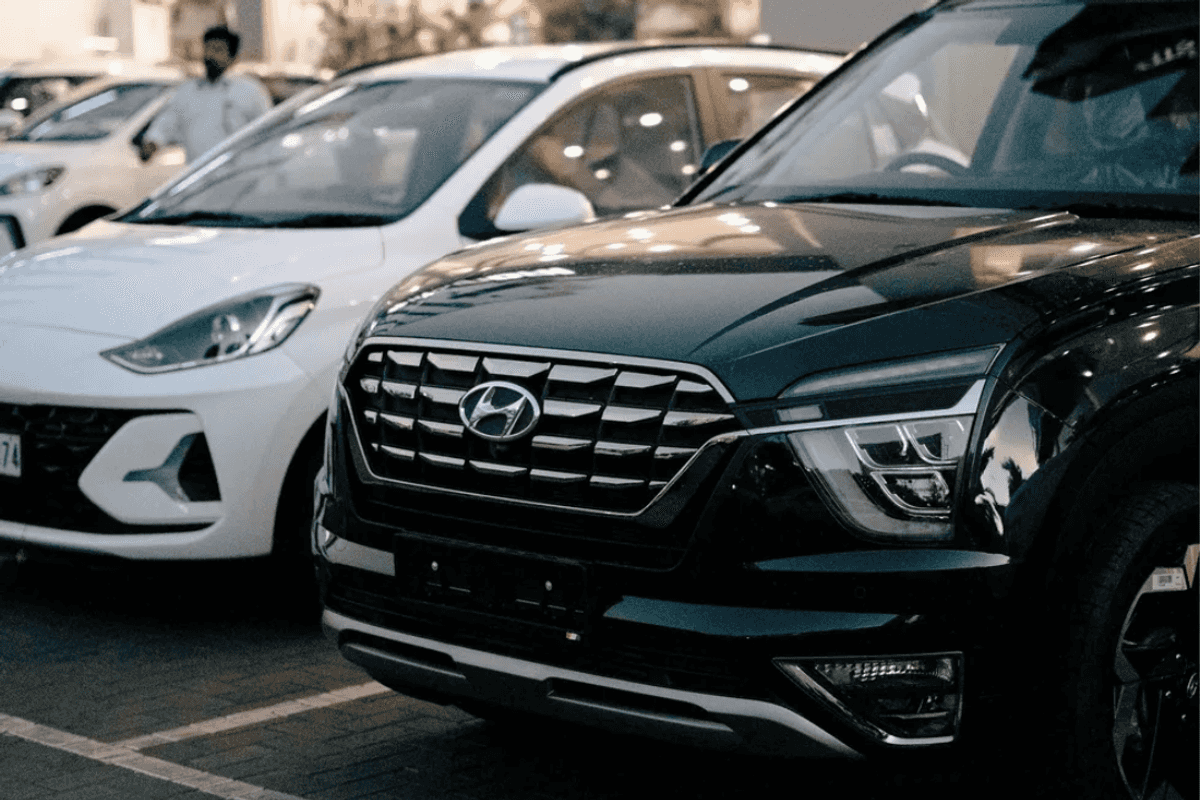
Prime Minister Shehbaz Sharif has approved Pakistan's Auto Policy 2026-2031, a five-year plan to raise vehicle exports to $6 billion, cut import tariffs and expand domestic manufacturing. The policy also keeps preferential tax rates for electric vehicles through 2031.
What is Pakistan's auto policy 2026-2031?
It is a five-year plan to make Pakistan's car industry more export-oriented. It sets mandatory export targets for automakers, lowers import duties gradually, raises local component use, and keeps lower sales taxes on electric vehicles. Companies that miss targets face penalties, while those that exceed them earn incentives.
The policy aims to strengthen local production, expand exports and make smaller vehicles more affordable for lower-income consumers.
What are the new tax rates for electric vehicles?
The policy rejects a proposal to raise the sales tax on electric vehicles to 18%. Instead, it sets lower rates by category, according to the policy document. Battery electric vehicles will face a 1% sales tax during 2026-2031, range-extended electric vehicles 6%, and plug-in hybrid vehicles 9%.
It also proposes a 10% federal excise duty on electric vehicles valued at more than $75,000. Import duties on electric vehicles will fall, with lower tariffs for smaller models priced below $15,000.
The financing limit for electric vehicles will rise to 10 million Pakistani rupees from 3 million rupees. The maximum financing period will increase to five years from three years.
How will Pakistan cut vehicle import tariffs?
The government plans to reduce import duties on vehicles gradually, bringing tariffs down to 15% by fiscal year 2030-31. The aim is to increase competition in the automotive sector.
What export targets must automakers meet?
The government aims to raise exports of locally manufactured auto parts to $1.2 billion by fiscal year 2030-31. Automakers must meet mandatory export targets, and companies that exceed them will be eligible for incentives equal to 5% of export value. An additional 10% incentive is proposed for exports above the previous year's level.
Companies that fail to meet their targets will face penalties. Their manufacturing certificates could be revoked if they miss export targets for two consecutive years, the document said.
The policy also sets new targets for using locally manufactured components. Companies that fail to meet localization requirements could lose their incentives.
How will the auto policy be funded and monitored?
The government expects to collect more than 232 billion rupees in automotive development levies over five years. The revenue will help finance export incentives, industrial development programs and technology upgrades for auto parts manufacturers. Legislation governing the levy is targeted for completion by December 2026.
The policy proposes establishing the Pakistan Automotive Testing Institute to support research, certification and independent audits. Global vehicle safety standards will be introduced for both locally manufactured and imported vehicles, and automakers must include consumer-protection provisions in their contracts with buyers.
To improve transparency, the government plans two audits a year of the automotive sector. These include third-party audits of local production and export incentive payments. The policy also sets new training targets to develop skilled workers for the industry's changing needs.
Automakers, parts manufacturers and consumers will be watching implementation as Pakistan seeks to reduce reliance on imported vehicles, expand domestic industrial capacity and build a more export-oriented automotive industry.




Comments
See what people are discussing