

Pakistan eases Afghan border closure to bring home stranded students
Families welcome returning students and call on authorities to prevent future travel disruptions

Kamran Ali
Correspondent Nukta
Kamran Ali, a seasoned journalist from Khyber Pakhtunkhwa, Pakistan, has a decade of experience covering terrorism, human rights, politics, economy, climate change, culture, and sports. With an MS in Media Studies, he has worked across print, radio, TV, and digital media, producing investigative reports and co-hosting shows that highlight critical issues.
The crossing, one of the busiest between the two countries, had been shut since October following a spike in violence along the border.
Nukta
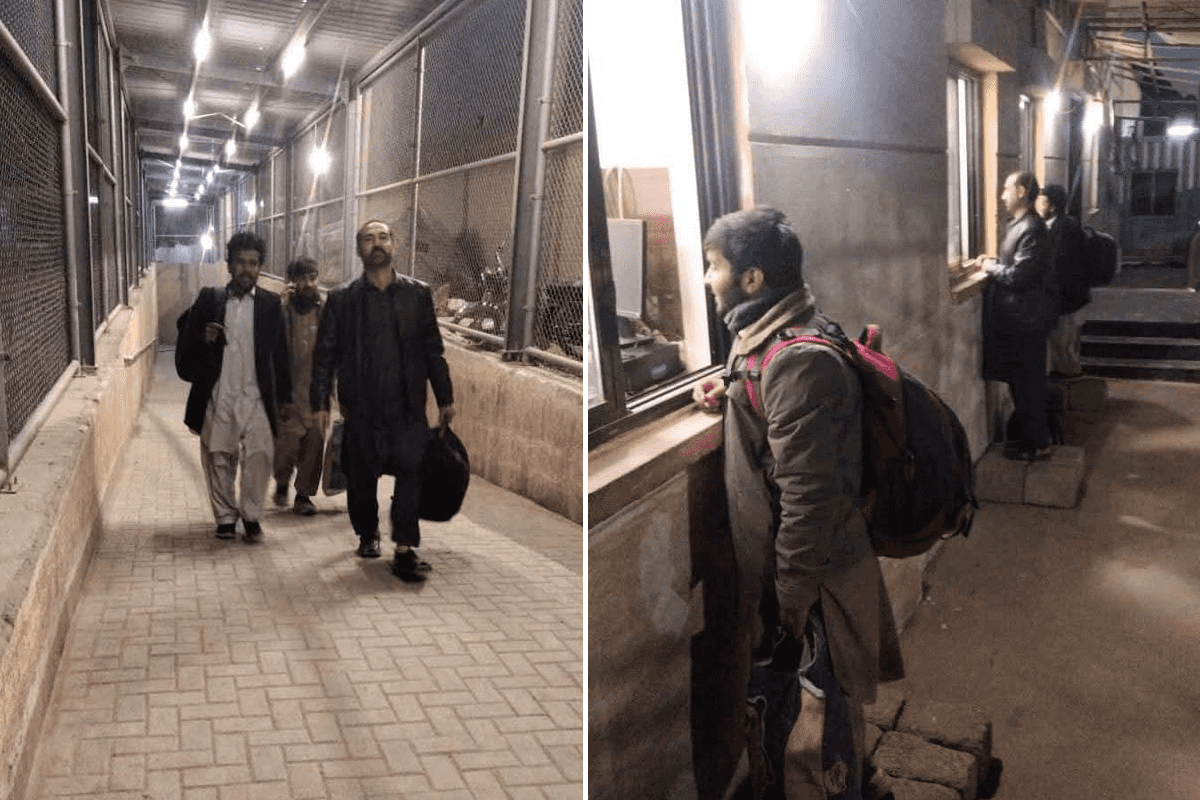
Pakistan has temporarily reopened the Torkham border crossing with Afghanistan after a three-month closure triggered by tensions over cross-border militancy, allowing dozens of stranded Pakistani students to return home, officials said on Monday.
Immigration authorities said 28 Pakistani students studying at various Afghan institutions crossed into Pakistan after completing security and documentation checks.
The crossing, one of the busiest between the two countries, had been shut since October following a spike in violence along the border.
Several students confirmed that Pakistani authorities granted them special permission to return after they submitted requests for safe passage. Officials said the border would remain open on January 12 and 13 solely to facilitate the return of students stranded in Afghanistan.
“Some students have already crossed, and more are expected to arrive tomorrow under special arrangements,” an immigration official said, requesting anonymity as they were not authorized to speak to the media.
Families of the returning students welcomed the decision but urged authorities to establish clearer mechanisms to prevent similar disruptions in the future, particularly for those pursuing higher education abroad.
According to the Pakistani Students Association in Afghanistan, around 3,500 Pakistani students - many of them enrolled in medical programs - are studying at universities in Kabul, Jalalabad and other cities. Their examinations concluded in December 2025, but many were unable to return due to the prolonged closure of land routes. Some students travelled back by air, which remained the only available option during the shutdown.
Officials estimate that more than 8,000 Pakistanis, including students, traders, laborers, artisans and transport workers, remain stranded in Afghanistan. Authorities on both sides are coordinating to facilitate their gradual return, officials said.
The border closure followed a sharp escalation in tensions after a series of explosions in Kabul on October 9, 2025. Pakistan accused militant groups operating from Afghan territory of involvement in cross-border attacks, prompting Taliban forces to increase deployments along the frontier. Islamabad responded with cross-border shelling, leading to casualties and infrastructure damage on both sides, before shutting major crossings on October 12.
Since then, Pakistan and Afghanistan’s Taliban-led government have held several rounds of talks in Qatar and Turkey aimed at easing tensions and restoring border movement. However, the negotiations have so far failed to produce a broader agreement on security and border management.




Comments
See what people are discussing