

Pakistan upcoming budget 'unlikely to bring major tax relief' for corporates
JS Global expects uniform tax rates under the IMF program, with little room for concessions

Business Desk
The Business Desk tracks economic trends, market movements, and business developments, offering analysis of both local and global financial news.
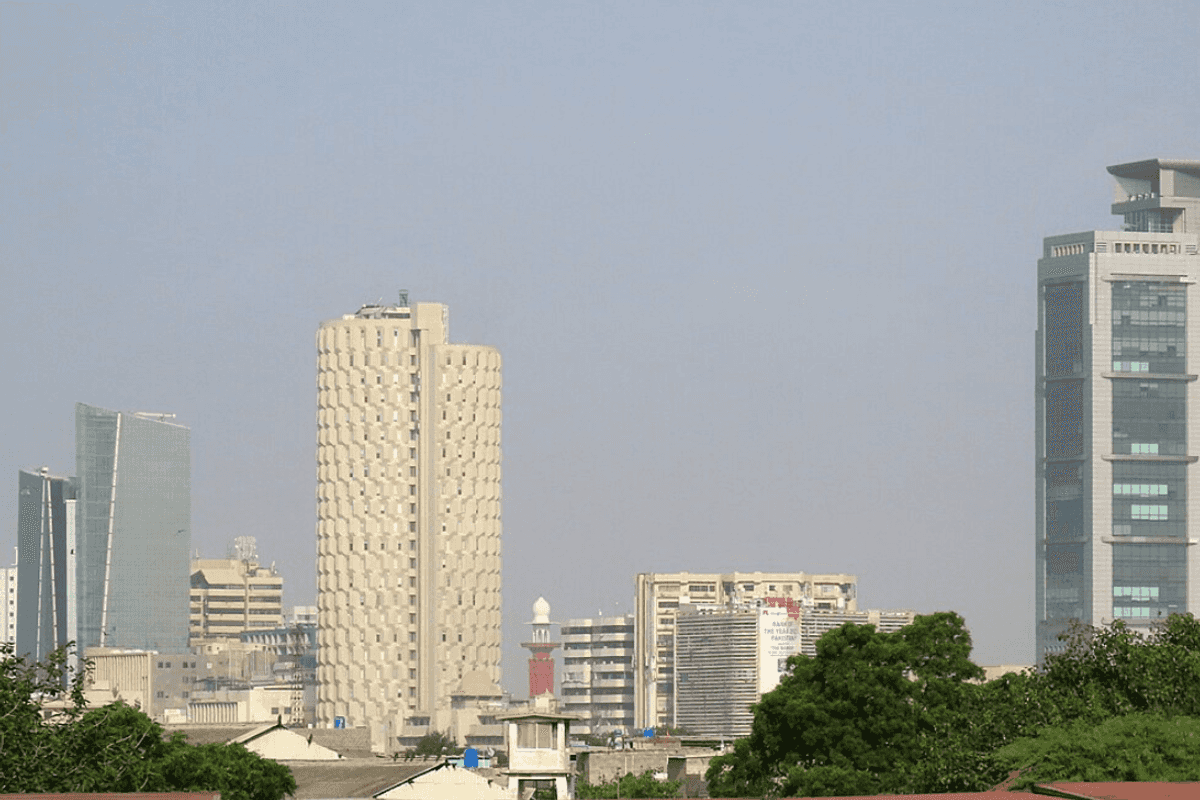
Pakistan's FY27 federal budget is unlikely to provide major tax relief to corporates, banks, and capital markets as the government pursues structural reforms under the International Monetary Fund (IMF) program.
JS Global Capital said in a budget preview report that stable macroeconomic indicators and continued reforms reduce the chance of preferential treatment for any sector.
Will Pakistan's FY27 budget cut corporate taxes?
JS Global Capital said it expects the government to move all sectors and asset classes toward uniform tax rates in line with IMF guidelines, with no preferential treatment.
The outlook reflects Pakistan's commitment to fiscal consolidation under the IMF program. Authorities are prioritizing revenue collection over broad tax relief.
What changes are expected to capital gains tax?
Equity market investors classified as tax filers currently face a 15% capital gains tax (CGT). Rates for non-filers range from 15% to 45%.
JS Global proposed no tax on investments held for three years or more. It suggested lowering CGT for filers and raising it for non-filers to widen the tax base.
Business bodies, including OICCI and the Pakistan Banks' Association, proposed reducing the corporate tax rate from 29% to 25% over three years. They also called for phasing out the super tax.
How would tax cuts affect the stock market?
Any cut in effective tax rates would lift the Pakistan Stock Exchange. JS Global estimated every 250 basis point tax cut could raise corporate and bank earnings by 4% to 5%.
The brokerage said major concessions for capital markets remain unlikely under the IMF-backed framework. The likelihood of broad relief stays low.
What does the budget mean for Pakistan's banks?
JS Global maintained a neutral outlook on the banking sector. It expects no major changes in the tax regime for banks.
The overall tax rate for banks, including the super tax, is expected to decline gradually to 51% starting in 2027. The cut follows an earlier phased reduction plan.
The government may also raise the threshold for advance tax on daily cash withdrawals from PKR 50,000 to PKR 75,000. The rate could rise to 1.5% from 0.8%.
What is planned for the energy sector?
In energy, the government appears keen to remove bottlenecks in refinery upgradation projects. It also wants to establish strategic petroleum reserves amid supply disruptions linked to tensions involving Iran.
The IMF set a Petroleum Development Levy target of PKR 1.73 trillion for FY27, up from PKR 1.48 trillion in FY26. The target is achievable if levy rates stay near PKR 95 to 100 per liter for petrol and PKR 80 for high-speed diesel.
JS Global expects the carbon levy on petroleum to double to PKR 5 per liter in FY27 from PKR 2.5. That could add to inflation and hurt oil marketing companies' sales.
How will the budget affect textile and pharma sectors?
Textile exporters have sought tax reforms, lower energy costs, and export facilitation. They aim to add $5 billion in exports in FY27.
JS Global does not expect a reversal of the shift from the final tax regime to the normal tax regime, citing IMF commitments. It also flagged Punjab's proposed 0.9% cess on imports and exports.
The cess could hurt textile manufacturers concentrated in Faisalabad and Lahore. In pharma, companies continue to seek zero-rated sales tax on imported active pharmaceutical ingredients and simpler refunds.
Broad pharma tax cuts remain unlikely due to fiscal pressures. Tighter price regulation of non-essential medicines could hurt listed pharmaceutical firms, though incentives for local API production would benefit producers.




Comments
See what people are discussing