

Pakistan, China urge stronger enforcement of UNSC resolutions
Pakistan and China pushed for stronger enforcement of UNSC resolutions at a UN meeting, warning selective compliance weakens global peace efforts

Aamir Abbasi
Editor, Islamabad
Aamir; a journalist with 15 years of experience, working in Newspaper, TV and Digital Media. Worked in Field, covered Big Legal Constitutional and Political Events in Pakistan since 2009 with Pakistan’s Top Media Organizations. Graduate of Quaid I Azam University Islamabad.
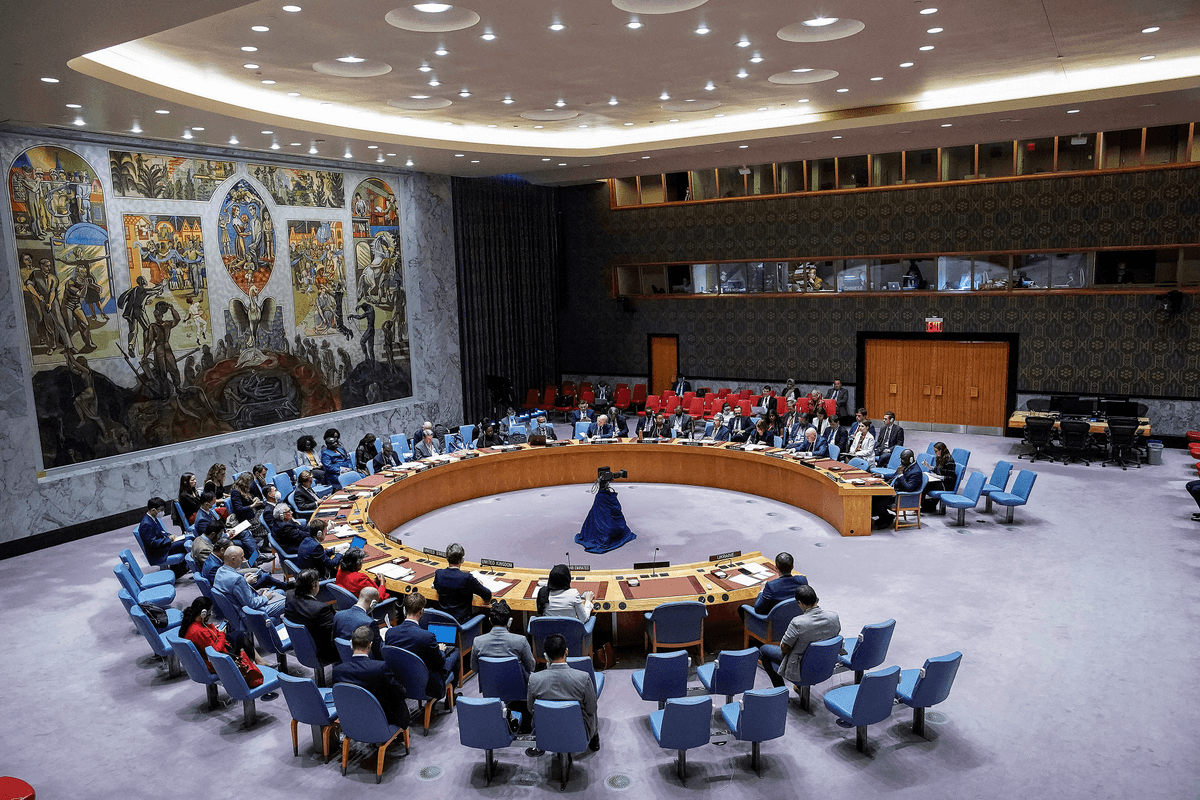
Pakistan and China argue that UNSC resolutions carry little weight unless member states follow through on them consistently.
China and Pakistan called on Thursday for stronger enforcement of United Nations Security Council resolutions.
The two countries jointly convened an informal Security Council meeting, warning that selective implementation of UNSC resolutions risks undermining the body's credibility and its ability to maintain global peace.
Why do Pakistan and China say UNSC resolutions need stronger enforcement?
Pakistan and China argue that UNSC resolutions carry little weight unless member states follow through on them consistently.
They say a growing gap between adopting resolutions and executing them has prolonged conflicts and deepened humanitarian crises. Both countries called for clearer compliance mechanisms and sustained political commitment to close this gap.
What was the UN meeting about?
The meeting, titled "Bridging the Implementation Gap: Security Council Resolutions and the Maintenance of International Peace and Security," brought together U.N. officials, diplomats and policy experts.
They discussed ways to improve compliance with Council decisions. The Arria-formula format used for the meeting is an informal mechanism that lets member states and invited experts hold open discussions on peace and security issues.
Who spoke at the meeting?
U.N. Assistant Secretary-General Khaled Khiari, Security Council Report Executive Director Shamala Kandiah and International Crisis Group analyst Richard Gowan delivered briefings. They stressed that the Council's authority depends on consistently carrying out resolutions, not just passing them. The speakers called for realistic mandates, defined implementation mechanisms, regular reporting, adequate resources and sustained political will.
What did Pakistan's UN ambassador say?
Pakistan's Permanent Representative to the United Nations, Ambassador Asim Iftikhar Ahmad, said Security Council resolutions are binding obligations under the U.N. Charter. He said they should not be treated as mere political statements. Ahmad said prolonged or selective non-implementation weakens the Council's authority, prolongs conflicts and worsens humanitarian suffering.
Ahmad cited Kashmir and Palestine as disputes where Security Council resolutions remain unfulfilled. On Kashmir specifically, he said the continued failure to implement relevant resolutions has left the dispute unresolved. He added that this carries implications for regional stability, international peace and the rights of the Kashmiri people.
What did Pakistan propose to fix the implementation gap?
Pakistan outlined several proposals to strengthen enforcement of Council decisions. These included annual reviews of unimplemented or partially implemented resolutions, clearer compliance frameworks and stronger follow-up mechanisms. Pakistan also called for better coordination between Council decisions and the diplomatic efforts of the Secretary-General, peacekeeping missions and regional organizations.
How did other countries respond?
Representatives from Security Council member states and the wider U.N. membership welcomed the initiative. They offered their own recommendations for improving implementation across both country-specific conflicts and broader thematic issues. Many speakers said resolutions must be realistic, actionable and backed by diplomacy, periodic review and adequate resources.
The meeting closed with renewed calls for greater consistency, objectivity and accountability in carrying out Security Council decisions. China and Pakistan said the discussion reflected their shared commitment to multilateralism, the Council's authority and the principles of the U.N. Charter.




Comments
See what people are discussing