

Pakistan confronts strategic challenges amid shifting regional alliances
Kamran Khan says Afghanistan tensions and US-Iran standoff test Pakistan's strategy

News Desk
The News Desk provides timely and factual coverage of national and international events, with an emphasis on accuracy and clarity.
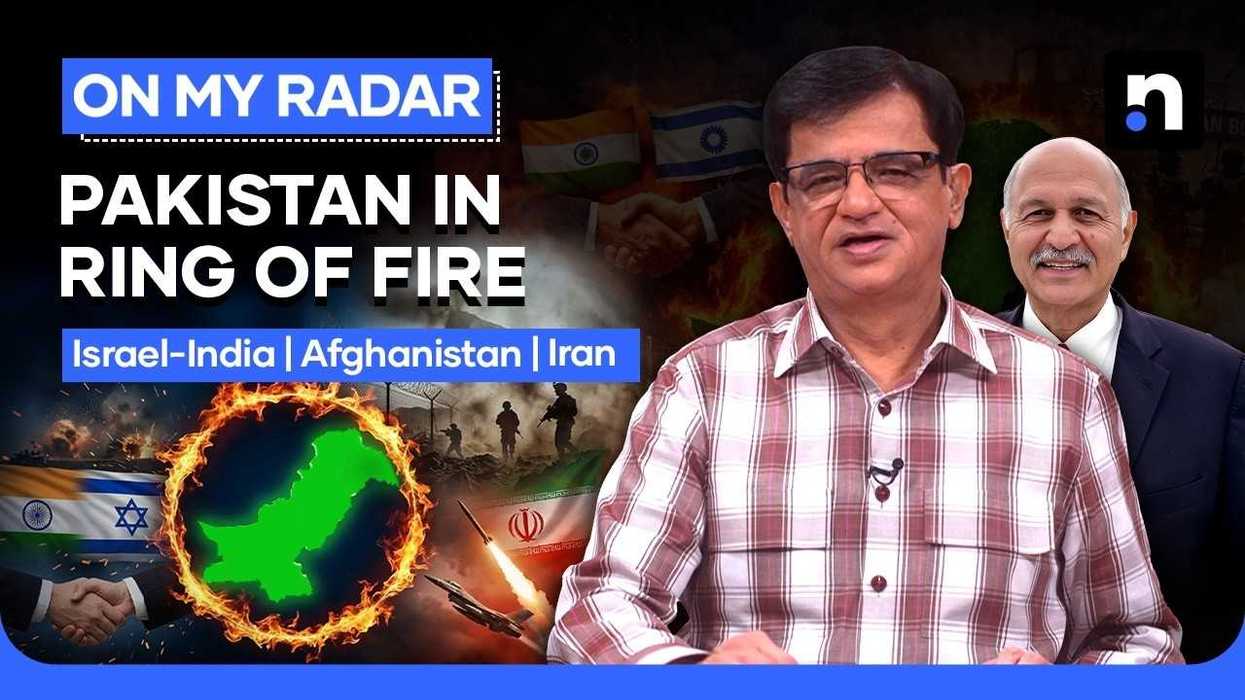
Pakistan is navigating an increasingly complex geopolitical landscape as new regional alliances and conflicts challenge its strategic position.
In the latest episode of On My Radar, Kamran Khan says Pakistan is under heightened pressure as India deepens defense ties with Israel.
"The visit of Indian Prime Minister Narendra Modi to Israel and the Hexagon of Alliances announcement mark a significant shift," Khan said. "These developments have direct implications for Pakistan’s strategic calculations."
In discussion with Mushahid Hussain Syed, former Information Minister and former Chairman of the Senate Foreign Relations Committee, Khan highlighted the scope of the defense agreements India and Israel are negotiating. Estimates suggest deals worth $8–10 billion, including missile defense systems such as Arrow, David’s Sling, Iron Dome, and Iron Beam.
"India’s air defense capabilities will be significantly enhanced," Syed said. "This is not just a bilateral matter; it reshapes the security landscape of South Asia."
Khan also noted that the Hexagon of Alliances positions India at the center of Israel’s regional strategy, aimed at countering what Israeli officials describe as emerging extremist Shi’a-Sunni axes.
"In a region where Turkish President Recep Tayyip Erdoğan is critical of Israel, and Saudi Arabia maintains a strategic defense partnership with Pakistan, the implications of this alliance are profound," Khan said. "Pakistan must remain strategic and vigilant."
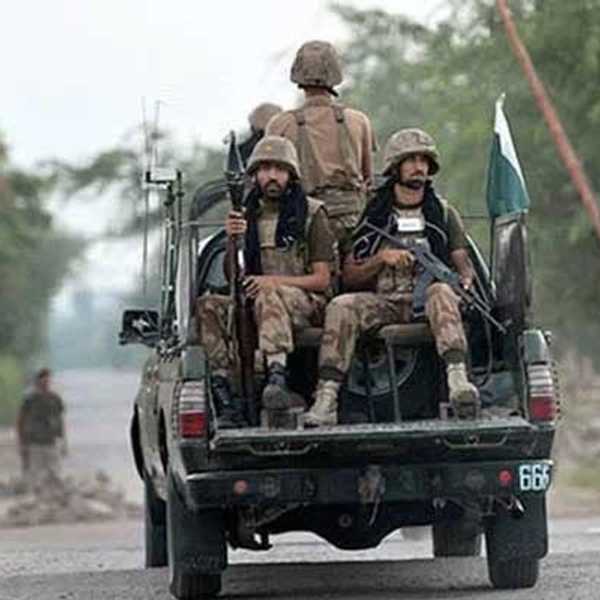
Beyond India-Israel ties, Pakistan faces mounting tension with Afghanistan. Recent cross-border shelling and Pakistani airstrikes on terrorist hideouts in Afghanistan have escalated the situation.
"This is one of the most severe periods of border tension we have seen in recent years," Khan said. "Pakistan has long protested the use of Afghan territory for attacks, and the recent strikes represent a critical turning point."
Syed emphasized that last October’s clashes had already disrupted trade between the two countries. He questioned whether diplomatic channels remain viable or if relations have reached a point of no return.
"Diplomacy must remain an option," Syed said. "A breakdown could have long-lasting consequences for both nations and regional stability."
Khan then turned to U.S.-Iran tensions, which he said further complicate Pakistan’s strategic environment. Following two unsuccessful rounds of negotiations, a third high-stakes meeting is scheduled in Switzerland. Meanwhile, the U.S. has imposed new sanctions and increased its military presence in the Middle East.
"The risk of conflict is real, and Pakistan’s position is delicate," Khan said. "A major crisis could affect border security, trigger refugee flows, disrupt energy markets, and put Islamabad’s strategic position under pressure."
Syed stressed that maintaining balance is essential. "Pakistan must carefully navigate its relations with both Tehran and Washington," he said. "Failing to do so could have severe economic and security consequences."
Khan noted that these three challenges—the India-Israel alliance, Afghan border tensions, and the U.S.-Iran standoff—are converging, creating a complex environment for Pakistan.
"Every strategic decision carries more weight than ever before," Khan said. "The regional landscape is evolving rapidly, and Islamabad cannot afford to remain reactive."
Syed highlighted the need for a multidimensional response. "Pakistan’s strategy must combine military preparedness with economic resilience, diplomatic engagement, and internal security measures," he said.
Khan concluded by urging Pakistan to reassess its priorities. "The shifting alliances, border crises, and geopolitical pressures demand a clear, forward-looking strategy," he said. "Remaining reactive is no longer an option."
Analysts warn that the next few months will test Pakistan’s ability to manage complex regional relationships while safeguarding its national security. Strategic foresight, diplomacy, and careful decision-making are now essential to avoid unintended consequences.
"Pakistan is operating in an environment where global and regional dynamics are changing rapidly," Khan said. "Timely action, strategic awareness, and proactive planning are no longer optional—they are necessary for survival."




Comments
See what people are discussing