

Pakistan cotton arrivals rise 7% to 4.74 million bales as Sindh leads Punjab
Sindh maintains its lead in cotton arrivals as unsold stocks decline, while industry representatives warn that sugarcane expansion is hurting Punjab's cotton belt

Business Desk
The Business Desk tracks economic trends, market movements, and business developments, offering analysis of both local and global financial news.
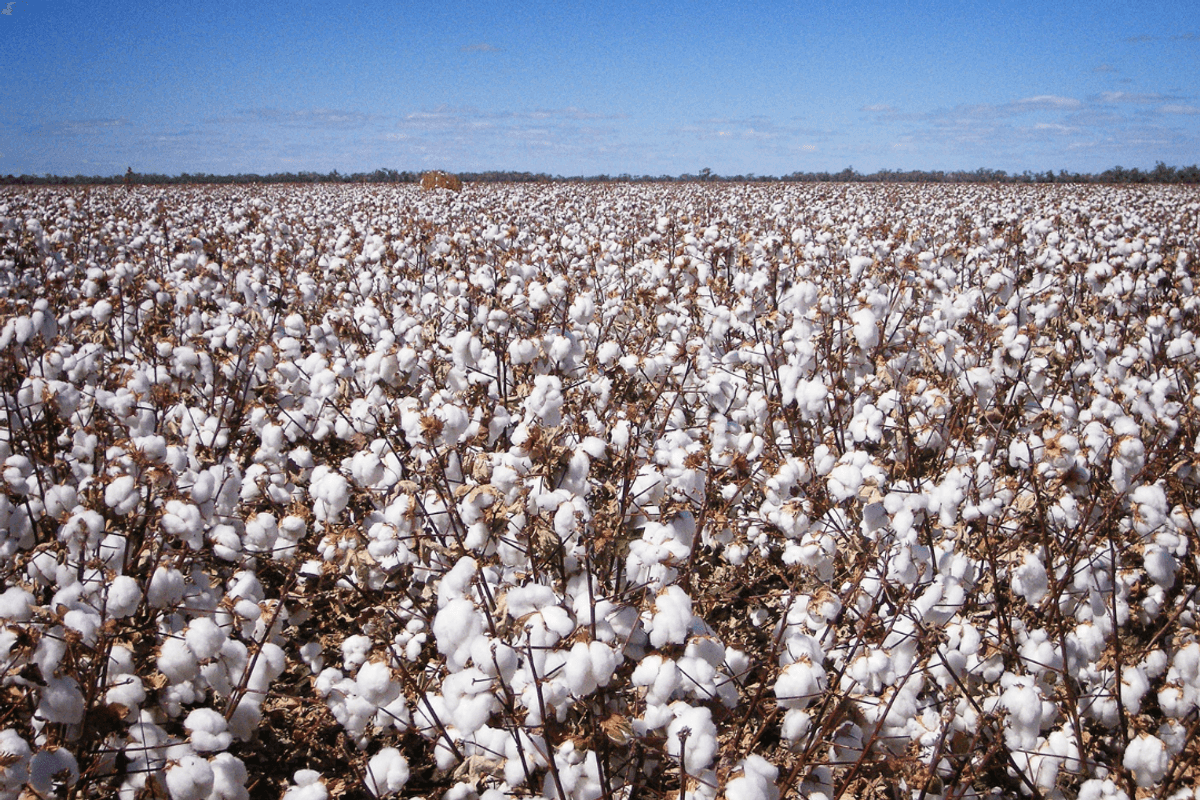
Pakistan's cotton arrivals increased 7% year-on-year to 4.74 million bales as of October 31, 2026
Pakistan's cotton arrivals increased 7% year-on-year to 4.74 million bales as of October 31, 2026, with Sindh continuing to outpace Punjab, according to the Pakistan Cotton Ginners' Association (PCGA).
The association's November 3 report showed total arrivals of 4,742,630 bales, compared with 4,437,256 a year earlier, an increase of 305,374 bales.
What concerns have ginners raised about Punjab?
Cotton production in Punjab has been affected by the expansion of sugarcane cultivation and the growing number of sugar mills, which have damaged the environment and deteriorated cotton quality, particularly in the Rahim Yar Khan cotton belt, Ahsanul Haq, chairman of the Cotton Ginners Forum, said.
"The abundance of sugar mills has adversely affected cotton production in Punjab. Sugarcane cultivation has badly damaged the environment, affecting both the quantity and quality of cotton being produced," Haq said.
He said the impact was particularly visible in the Rahim Yar Khan cotton belt, where environmental degradation linked to sugarcane cultivation was affecting the quality of cotton grown by farmers.
Haq's remarks come as cotton arrivals in Punjab stood at around 2 million bales as of October 31, while Sindh recorded 2.54 million bales, excluding Balochistan, highlighting the gap between the two provinces.
How do cotton arrivals in Sindh and Punjab compare?
Punjab recorded 1,998,944 bales, up 4.71% from 1,909,080 a year earlier. The PCGA's Sindh regional total was 2,743,686 bales, up 8.52%, but that figure includes 204,132 bales from Balochistan. Excluding Balochistan, Sindh's own arrivals reached 2,539,554 bales, up 6.82% from 2,377,420 last year.
Balochistan recorded a 35.41% increase in arrivals, compared with 150,756 bales a year earlier.
The figures highlight Sindh's continuing lead over Punjab in reported cotton arrivals, with Punjab historically accounting for a larger share of the country's cotton output.
How much cotton remains unsold?
Textile mills purchased 3,996,596 bales, while exporters and traders bought another 98,000 bales, according to the association.
Unsold stocks stood at 648,034 bales, comprising 338,240 pressed bales and unginned cotton, known as phutti, equivalent to 309,794 bales.
The remaining stocks were lower than the 693,818 bales recorded during the same period last year.
Cotton arrivals during the latest fortnight totaled 661,365 bales, compared with 641,619 bales in the corresponding fortnight last year, indicating an improvement in the pace of arrivals.
A total of 465 ginning factories were operational across the country, the PCGA data showed.





Comments
See what people are discussing