

Pakistan could emerge as global crypto hub by 2030, Binance co-founder says
Changpeng Zhao cites rapid adoption and regulatory momentum

Business Desk
The Business Desk tracks economic trends, market movements, and business developments, offering analysis of both local and global financial news.
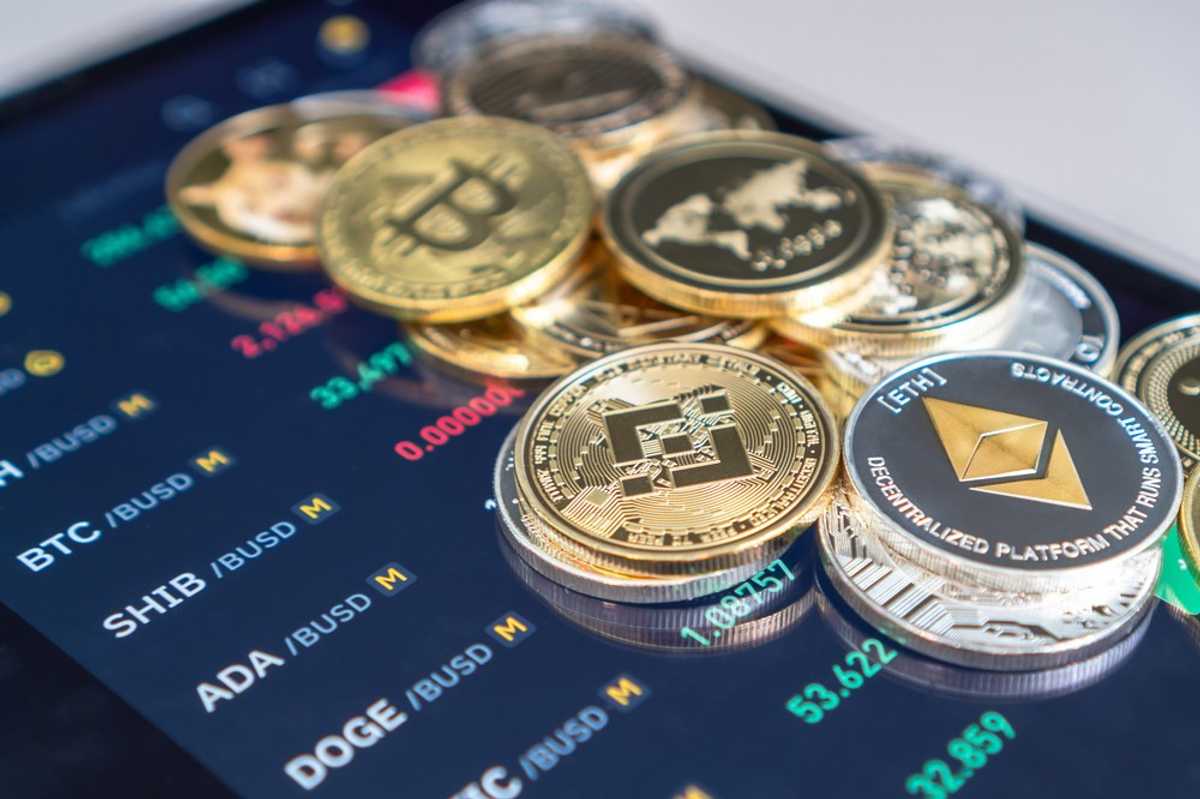
Pakistan is on track to become one of the world’s leading cryptocurrency hubs by 2030 if it maintains its current pace of adoption, Binance co-founder Changpeng Zhao said.
Zhao, widely known as CZ, credited Pakistan’s political leadership for recognizing growing demand for digital assets among the country’s young and tech-savvy population, according to a report published at Inside Bitcoin.
He made the remarks in a recent interview with Pakistan Crypto Council CEO Bilal bin Saqib that was shared on X on Dec. 30.
“I think it’s fantastic to see a country of this size able to have this clear vision from the leadership and the ability to move at this speed,” Zhao said. “If we keep moving at this speed in five years, Pakistan will be the crypto leader — one of the crypto leaders in the world.”
Zhao, the former Binance CEO, now serves as a strategic adviser to the Pakistan Crypto Council.
Pakistan has taken several major steps in 2025 to formalize its digital asset ecosystem.
These include establishing the Pakistan Virtual Assets Regulatory Authority, approving crypto exchanges Binance and HTX to operate in the country, and developing a national bitcoin reserve.
The country is also exploring the tokenization of real-world assets as part of a broader push to attract foreign investment and improve market liquidity.
Tokenization
When asked about the potential impact of tokenizing Pakistan’s stock market, Zhao said global accessibility was the key benefit.
“Which country doesn’t want the global population to buy their stocks?” he said, adding that tokenized equities could significantly expand foreign participation in Pakistan’s markets.
Zhao cautioned, however, that speed will be critical.
He argued that countries that move first on tokenization stand to gain the greatest advantage, as early adopters are likely to capture the bulk of global interest and capital.
Tokenization has been a central theme in the Web3 sector this year, often viewed as a pathway for institutional adoption of digital assets alongside stablecoins.
The market capitalization of tokenized stocks surpassed $1.2 billion in 2025, according to data from Token Terminal.
The broader tokenized real-world assets market has grown more than 4% over the past 30 days to about $19.3 billion, according to RWA.xyz.
Zhao also highlighted blockchain as a more accessible field for entrepreneurs compared with traditional banking or artificial intelligence.
“A young person looking to start a traditional bank will have limited opportunities,” he said, noting that AI startups often require massive data resources, computing power and specialized hardware. “Both of those industries require quite a bit of resources to do a startup.”
Blockchain, by contrast, is more open, Zhao said, calling it “one of the best places for entrepreneurs”. He added that Pakistan would still need greater investment in education, university programs and startup incubators to fully capitalize on the opportunity.
Crypto industry publication Inside Bitcoin reported that Zhao’s comments underscore Pakistan’s growing ambition to position itself as a major player in the global digital asset economy, provided regulatory momentum and infrastructure development continue at their current pace.




Comments
See what people are discussing