

Pakistan court upholds broad powers of tax authorities in unannounced raids
Federal Constitutional Court rules tax authorities can conduct raids without pending cases or obstruction

Aamir Abbasi
Editor, Islamabad
Aamir; a journalist with 15 years of experience, working in Newspaper, TV and Digital Media. Worked in Field, covered Big Legal Constitutional and Political Events in Pakistan since 2009 with Pakistan’s Top Media Organizations. Graduate of Quaid I Azam University Islamabad.
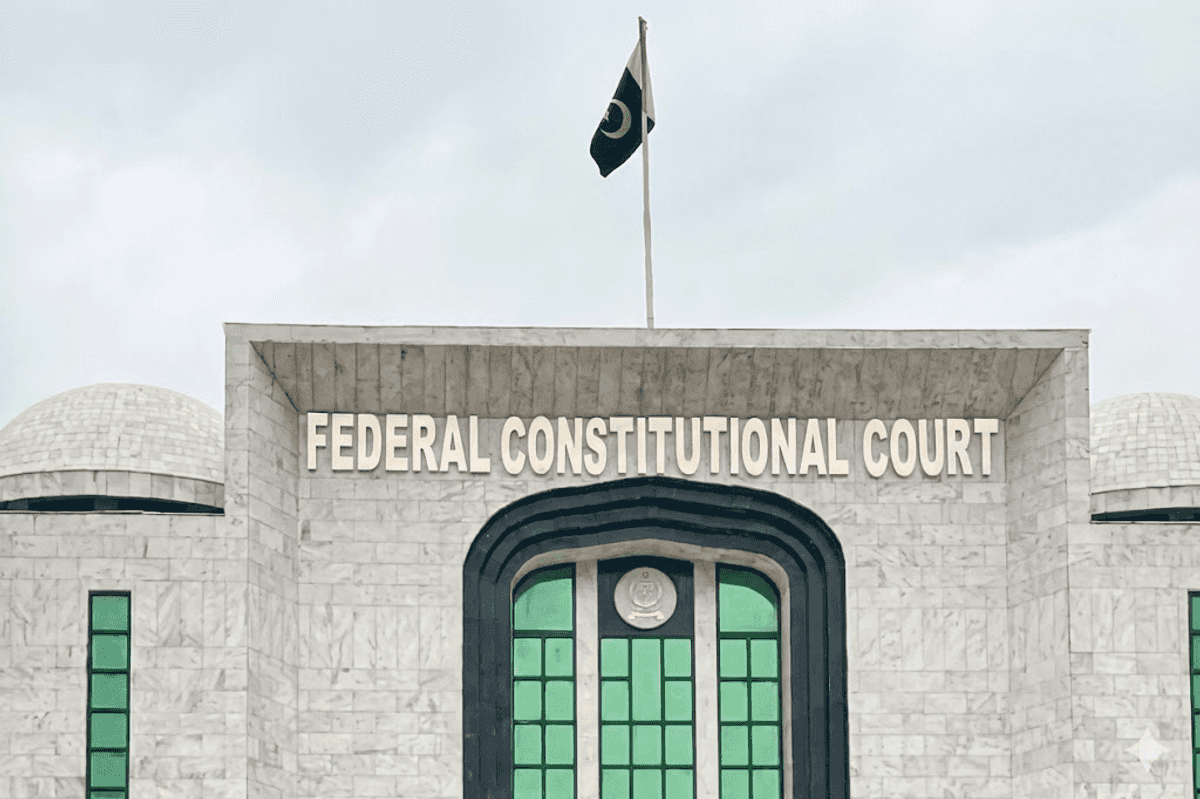
Pakistan’s Federal Constitutional Court in Islamabad.
Nukta
Pakistan’s Federal Constitutional Court has upheld the authority of tax officials to conduct raids without prior notice, even when there are no ongoing proceedings against a taxpayer, in a ruling expected to have significant implications for enforcement of tax laws.
The judgment, authored by Justice Aamer Farooq, confirms that the Commissioner of Income Tax, or any official authorized in writing, may take enforcement measures under Section 175(1)(a)-(e) of the Income Tax Ordinance to ensure compliance with statutory obligations.
No requirement of pending proceedings
The court rejected the argument that raids can only be carried out when there are pending proceedings or when enforcement is being obstructed. Citing earlier precedent, including the Agha Steels case, the court emphasized that Section 175 contains no requirement for ongoing proceedings before a search can be conducted.
The ruling stressed that imposing such a condition would effectively alter legislation enacted by Parliament. It also clarified that searches under Section 175 are not measures of last resort, and that courts cannot rewrite or dilute the statutory language, nor grant relief contrary to express provisions.
Clarifying ‘enforcement’
The court further explained that the term “enforcement” in Section 175 presupposes a breach of the law. Enforcement powers can only be exercised in response to a violation of a specific provision of the Ordinance. The Commissioner must provide a clear written statement specifying the provision to be enforced and the reasons for the action.
Justice Farooq highlighted that without such documentation, the authority granted under Section 175 could be subject to abuse. The ruling drew on precedent, including Khurram Shahzad v. Federation of Pakistan (2019 PTD 1124), which emphasized that statutory powers must be exercised with recorded justification.
Petition dismissed
While the court did not fully agree with reasoning in the Agha Steels case, it dismissed the petition challenging the Commissioner’s powers. The judgment confirmed that even if prior procedural interpretations were not strictly followed, tax officials remain empowered to act under Section 175, provided they record their reasons in writing.
The court concluded that the challenged judgment did not show any legal deficiency warranting intervention.
The ruling reinforces the broad investigative powers of Pakistan’s tax authorities while underscoring the requirement for documented reasons to prevent potential misuse. Legal experts suggest it could strengthen compliance enforcement but also increase scrutiny over how authorities justify unannounced raids.





Comments
See what people are discussing