

Pakistan drafts electronics manufacturing policy to localize production, cut imports by 2033
Proposed 2026-33 framework targets 50% localization in mobile phones, $700 million in exports

Haris Zamir
Business Editor
Experience of almost 33 years where started the journey of financial journalism from Business Recorder in 1992. From 2006 onwards attached with Television Media worked at Sun Tv, Dawn Tv, Geo Tv and Dunya Tv. During the period also worked as a stringer for Bloomberg for seven years and Dow Jones for five years. Also wrote articles for several highly acclaimed periodicals like the Newsline, Pakistan Gulf Economist and Money Matters (The News publications)
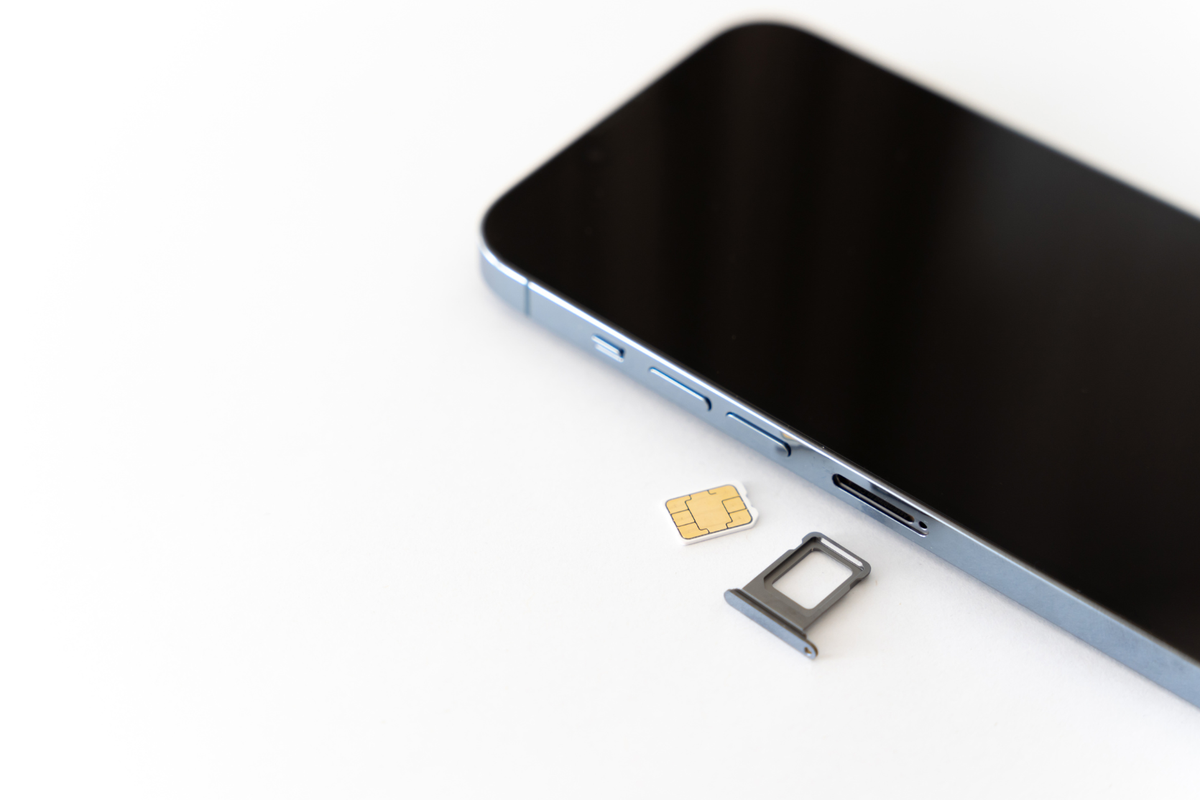
Pakistan has drafted a new Mobile and Electronic Devices Manufacturing Policy for 2026-2033, setting ambitious targets to localize production, boost exports and develop skilled labor in an effort to reduce imports and strengthen the country’s electronics industry, according to official policy documents.
Under the proposed policy, the government aims to generate PKR 148 billion ($525 million) in levy revenue over the next five to eight years through locally manufactured mobile phones and electronic devices.
The levy would be imposed on imported completely built units (CBUs) and completely knocked-down (CKD) kits at rates ranging from 1% to 5%, depending on device value.
The policy sets a target of 50% localization of mobile phone components by 2033, with interim milestones of 10% by 2027 and 25% by 2029. For laptops, tablets, point-of-sale machines and Internet of Things devices, the policy envisions 30% localization by 2033.
Officials estimate the policy could help raise exports of mobile and electronic devices to $700 million by 2031, with the potential to scale up to more than $2 billion in later years.
The government also plans to ensure a 5% reduction in consumer prices, driven by verified domestic value addition and lower production costs.
The draft policy calls for the training of 50,000 skilled workers, including 15,000 specialists in surface-mount technology (SMT), to support domestic manufacturing.
It also proposes the establishment of internationally accredited testing and certification laboratories, including ISO/IEC 17025, CE, FCC, RoHS, SAR and EMC facilities, by the second year of implementation to support export compliance.
To support advanced manufacturing, the policy promotes adoption of modern technologies such as SMT lines, automated optical inspection, X-ray inspection, precision molding and battery production lines.
These investments would qualify for accelerated depreciation under income tax laws.
The government also plans to achieve 70% electronic waste recovery through a national recycling and take-back system, while requiring original equipment manufacturers to secure export market share equal to 210% of their principal domestic territory.
The policy is designed as a revenue-neutral framework, with an estimated PKR 1,488 billion in levy collections used to finance PKR 1,458 billion in production-linked incentive payouts, export rebates and research and development support.
Stakeholder recommendations included penalties for non-compliance with localization targets, such as withdrawal of duty exemptions, import licensing restrictions and financial surcharges of up to 1% of annual import value.
Incentives would be tied to compliance milestones, including a minimum fixed capital investment of PKR 500 million.
Additional proposals include harmonizing tariff codes, fixing inverted tariffs to make local assembly competitive, lowering duties on non-localizable high-value components such as displays and integrated circuits, and developing electronics manufacturing clusters with shared testing and assembly facilities.
The policy also emphasizes enforcement through existing regulatory systems, phased localization plans for smart devices, export-linked incentives with fast digital disbursement, and seven years of policy stability to encourage long-term investment.
Consultations with industry stakeholders on the policy are expected to continue ahead of its planned implementation starting in 2026, according to the documents.





Comments
See what people are discussing