

SBP flags energy, climate risks to Pakistan's economic recovery
Central bank projects 3.5%–4.5% growth in FY27 despite inflationary pressures and agricultural uncertainty

Haris Zamir
Business Editor
Experience of almost 33 years where started the journey of financial journalism from Business Recorder in 1992. From 2006 onwards attached with Television Media worked at Sun Tv, Dawn Tv, Geo Tv and Dunya Tv. During the period also worked as a stringer for Bloomberg for seven years and Dow Jones for five years. Also wrote articles for several highly acclaimed periodicals like the Newsline, Pakistan Gulf Economist and Money Matters (The News publications)
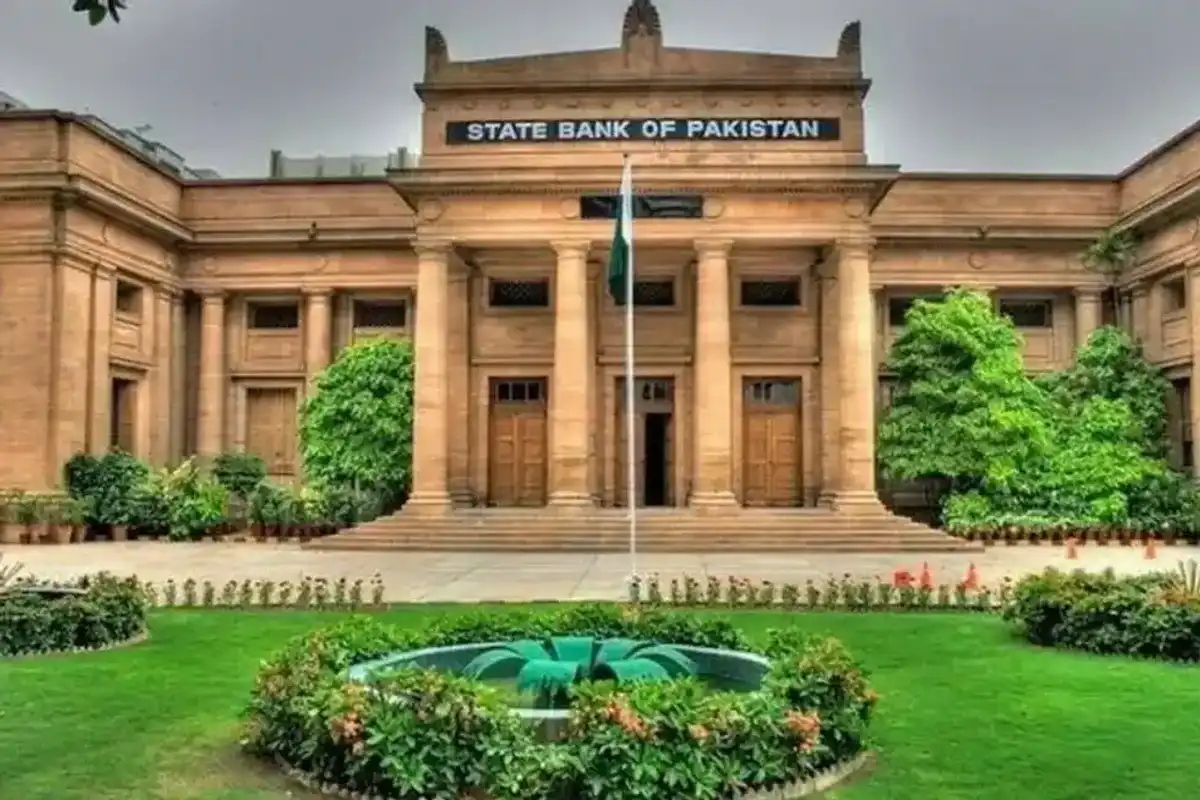
Pakistan's economic recovery faces risks from higher global energy prices and worsening El Nino conditions, despite improving industrial activity and stronger domestic demand, the State Bank of Pakistan (SBP) said Monday in its annual report on the economy.
What risks threaten Pakistan's economic recovery in FY27?
The global energy price shock is expected to put upward pressure on inflation, while worsening El Nino conditions pose risks to the agricultural outlook. However, the central bank expects inflation to gradually ease toward its medium-term target range of 5% to 7% during FY27, despite these pressures.
In its Annual Report on the State of Pakistan's Economy for FY26, the SBP projected economic growth of 3.5% to 4.5% in the fiscal year ending June 2027, supported by recovering domestic demand, improved agricultural output and expansion in industrial and services sectors.
The recovery in domestic demand is expected to continue, while recent fiscal measures are likely to provide further support to economic momentum.
Despite the risks from worsening El Nino conditions, latest information indicates higher production of key Kharif crops, including sugarcane, rice and maize, compared with the previous year.
Improved performance in commodity-producing sectors is expected to support growth in services, the central bank said.
The SBP said Pakistan entered FY27 on a stronger macroeconomic footing following improvements in key economic indicators, which have also prompted upgrades in the country's sovereign credit ratings.
How did Pakistan's economy perform in FY26?
Pakistan's economy showed resilience in FY26 despite domestic and external challenges, including changes in U.S. trade tariff policies, monsoon flooding at the beginning of the fiscal year and the outbreak of conflict in the Middle East in late February 2026.
Real GDP growth improved, driven largely by a rebound in large-scale manufacturing, which has strong linkages with agriculture and services.
The expansion in economic activity translated into higher import volumes, while unfavorable global economic conditions constrained exports.
Strong growth in workers' remittances helped contain the current account deficit to 0.1% of GDP in FY26, the report said.
What is Pakistan's external sector outlook for FY27?
Economic expansion, tariff rationalization and higher global commodity prices are expected to drive import growth. Exports are likely to recover moderately, supported by policy incentives and a slight increase in global demand.
Continued growth in workers' remittances is expected to keep the current account deficit between zero and 1% of GDP in FY27.
The SBP said a USD 3 billion Eurobond issuance in September 2026, foreign exchange purchases and projected official inflows are expected to support further accumulation of foreign exchange reserves, taking them toward four months of import cover.





Comments
See what people are discussing