

Pakistan passes amendments allowing lawmakers to keep asset details private
Lawmakers can seek confidentiality of assets if threatened, with the ECP bound to comply after approval

Aamir Abbasi
Editor, Islamabad
Aamir; a journalist with 15 years of experience, working in Newspaper, TV and Digital Media. Worked in Field, covered Big Legal Constitutional and Political Events in Pakistan since 2009 with Pakistan’s Top Media Organizations. Graduate of Quaid I Azam University Islamabad.
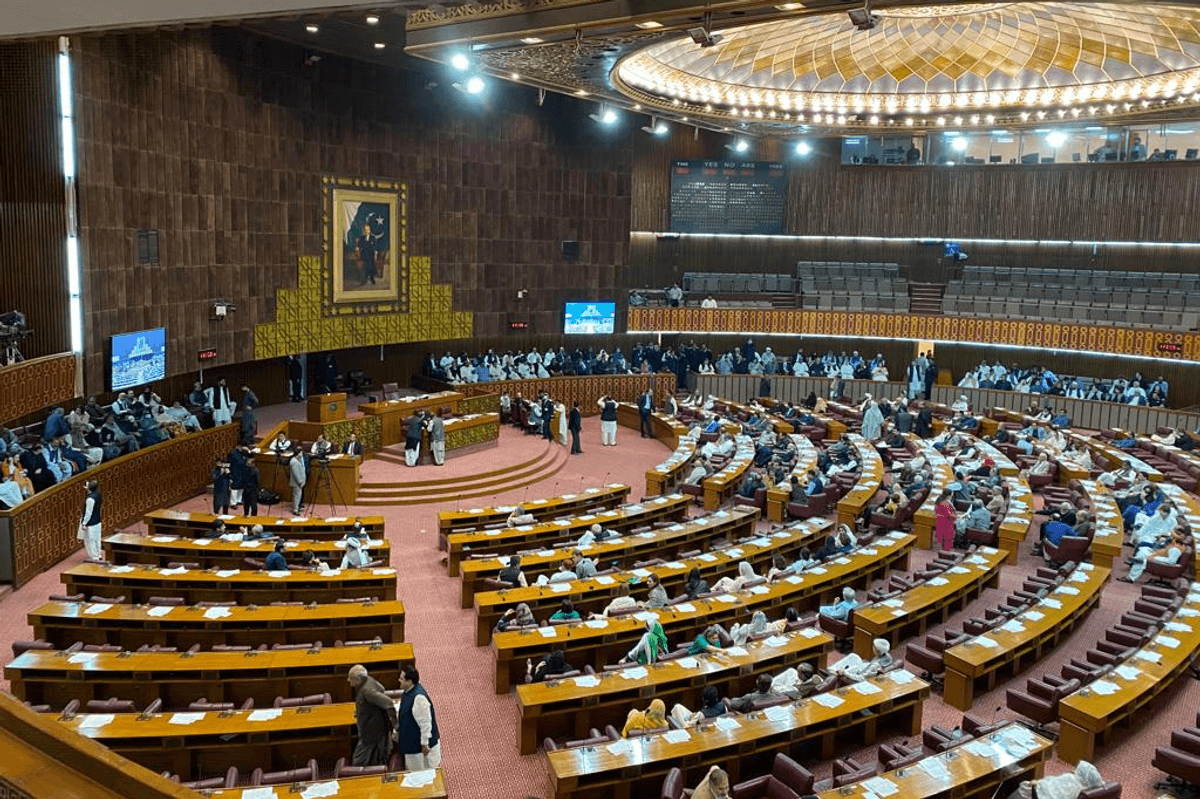
Pakistan’s parliament on Wednesday approved sweeping changes to the Elections Act 2017 that allow lawmakers to keep their asset declarations confidential in certain cases, while also shifting election disputes and appeals from the Supreme Court to the newly formed Federal Constitutional Court.
The amendments grant the speaker of the National Assembly or the chairman of the Senate the authority to withhold publication of a parliamentarian’s asset details if there is a credible threat to their life or security. The changes come amid ongoing debate over transparency and security for elected officials.
Asset disclosure can be withheld for security reasons
Under the new rules, asset disclosures may be kept confidential for up to one year, although members must still submit full details of their assets and liabilities to the Election Commission of Pakistan (ECP) in a sealed manner. The speaker or chairman may issue a written ruling to keep the information private and the ECP is bound to maintain confidentiality during the period.
The bill’s statement of objects and reasons said the amendments aim to strike a balance between accountability and personal security. While public disclosure of assets is viewed as a tool for transparency, it argued that excessive disclosure can expose lawmakers and their families to risk, making privacy a key objective.
Lawmakers from both the National Assembly and the Senate may request confidentiality if they believe they face threats, and the ECP must comply once the Speaker or Chairman approves the request. The bill now moves to the Senate for further consideration.
Election disputes shifted to Federal Constitutional Court
In a parallel legal overhaul, the National Assembly also amended multiple sections of the Elections Act to replace references to the Supreme Court with the Federal Constitutional Court, transferring authority over election-related disputes and appeals.
The changes formally include the Federal Constitutional Court in Sections 66, 104, 104A, 155, 202, 212 and 232, among others, meaning the new court will handle election litigation that was previously heard by the Supreme Court.
Proponents of the amendments argue the move will streamline judicial processes and reduce pressure on the Supreme Court, while critics warn it could restrict judicial oversight and limit access to the country’s highest court.
Opposition raises concerns over judicial shift
Opposition lawmakers argued that the changes could divert routine election disputes away from the Supreme Court even when constitutional interpretation is not required. Barrister Gohar said cases such as re-polling at specific polling stations, once decided by the Election Commission, should not be taken to a constitutional court.
Law Minister Azam Nazeer Tarar defended the shift, saying many election matters have historically been taken to constitutional courts. He added that issues such as declaring a political party defunct or floor-crossing cases involve constitutional questions and therefore fall under the Federal Constitutional Court’s remit.
Other bills introduced during the session
The National Assembly session, chaired by Acting Speaker Syed Ghulam Mustafa Shah, also saw several other bills introduced and referred to committees.
A Criminal Procedure Code (CrPC) Amendment Bill 2026 was presented by Mirza Ikhtiar Baig, proposing changes to Sections 174-B and 174-C, and was sent to the relevant standing committee.
A constitutional amendment bill, introduced by PTI-backed MNA Aslam Ghuman, sought to abolish reserved seats for women in national and provincial assemblies and replace them with direct elections, proposing changes to Articles 51 and 106.
Another Constitutional Amendment Bill 2026 was tabled by Federal Law Minister Azam Nazeer Tarar, who said he opposed it in principle. The bill was nonetheless referred to the standing committee, with the law minister urging opposition lawmakers to engage more actively in committee work now that opposition leaders have been appointed in both houses.
The standing committee’s report on the Elections Act amendment bill was presented by Committee Chairman Rana Iradat Sharif before the bill was passed.
Under the Elections Amendment Bill 2025, the assets of members of the National Assembly and the Senate could not be published without their consent. Previously, asset declarations submitted to the Election Commission could be shared with the media or other parties. Proponents of the new bill argued that public disclosure posed security risks for parliamentarians.





Comments
See what people are discussing