

Pakistan explores funding options as $3B UAE loan comes due
Rising oil prices, war pressures strain foreign-exchange buffers
Haris Zamir
Business Editor
Experience of almost 33 years where started the journey of financial journalism from Business Recorder in 1992. From 2006 onwards attached with Television Media worked at Sun Tv, Dawn Tv, Geo Tv and Dunya Tv. During the period also worked as a stringer for Bloomberg for seven years and Dow Jones for five years. Also wrote articles for several highly acclaimed periodicals like the Newsline, Pakistan Gulf Economist and Money Matters (The News publications)
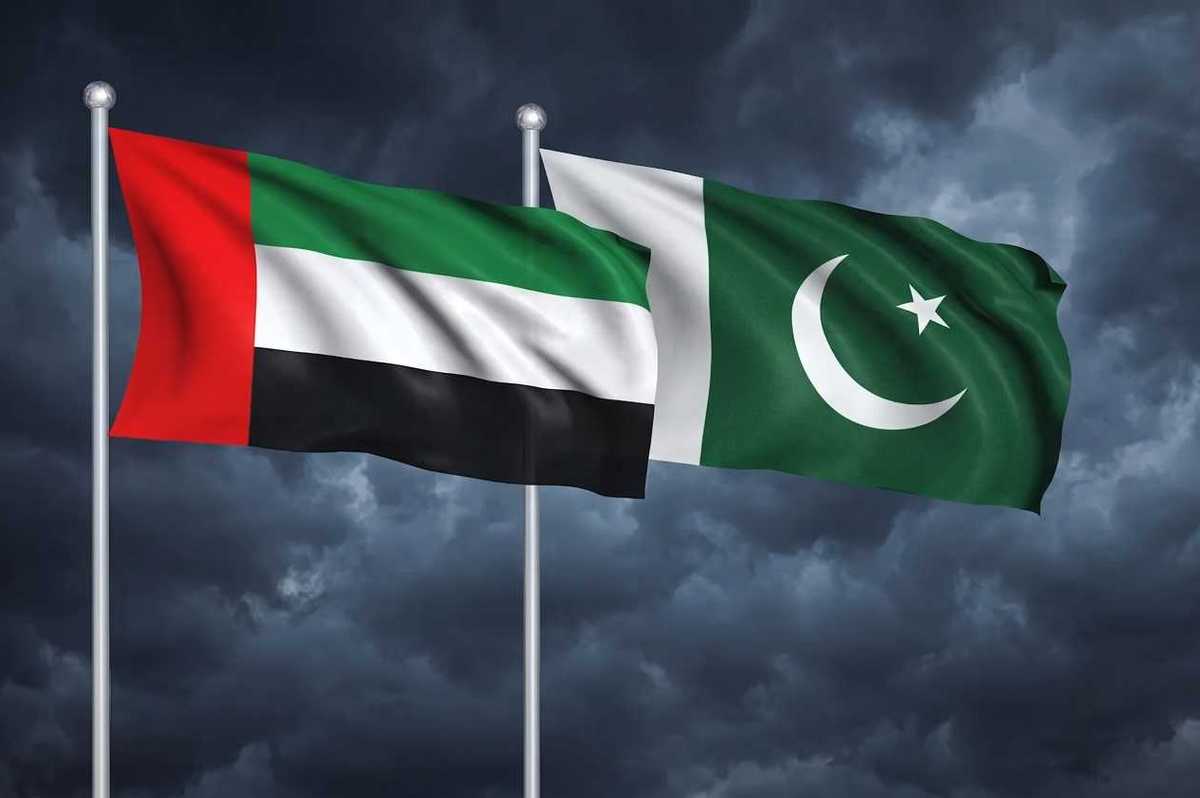
Pakistan remains engaged in discussions with both Saudi Arabia and China regarding potential financial support.
Nukta
Pakistan is exploring a range of financial options to sustain its foreign-exchange reserves following the United Arab Emirates’ (UAE) demand for the full repayment of a $3 billion loan, Finance Minister Muhammad Aurangzeb told Bloomberg and Reuters on Friday.
The UAE’s decision to ask for immediate repayment has put additional pressure on Pakistan’s external buffers, which are already strained by soaring oil prices and the economic repercussions of the ongoing conflict in the Middle East. This marks the first time in seven years that Pakistan has failed to reach a rollover agreement on the loan, further complicating its fiscal situation.
“Whatever we need to cover will be a combination of many sources,” Aurangzeb said in Washington, during the IMF and World Bank’s spring meetings. “We’re looking at all options,” he added, without providing further specifics. These options reportedly include issuing Eurobonds, securing loans from other countries, and tapping into commercial debt markets.
As of March 27, Pakistan’s foreign-exchange reserves stood at $16.4 billion, sufficient to cover about three months’ worth of imports. However, the country’s reliance on external borrowing to cover fiscal shortfalls is expected to increase, especially as geopolitical instability in the Middle East continues to disrupt global oil supplies.
Before the escalation of the conflict in February, Pakistan had maintained relatively stable foreign-exchange reserves and fiscal buffers. Aurangzeb emphasized the country’s commitment to meeting its debt obligations, stating, “We’re very committed to paying and ensuring there are other resources available to keep our reserves at the right place.”
Pakistan’s financial strategy includes returning to the global bond market this year, marking a return to Eurobonds after a four-year hiatus. The government is also preparing to launch its first-ever Panda bonds — denominated in Chinese yuan — aiming to raise $250 million as part of a broader $1 billion issuance. This will be supported by credit enhancements from the Asian Development Bank and the Asian Infrastructure Investment Bank.
“The focus is on raising resources through Eurobonds, Islamic sukuks, and dollar-settled rupee-linked bonds,” Aurangzeb said. “We think this is the right time to actually look into all of these options as we go forward.”
Strategic petroleum reserve
As the country navigates the challenges posed by the Middle East crisis, Pakistan is also contemplating the creation of a strategic petroleum reserve to shield itself from future supply shocks. “When you go through a supply shock like this, it sends a very clear view that we need to accelerate our journeys toward renewable energy,” Aurangzeb said.
Additionally, Aurangzeb confirmed that Pakistan expects to launch a $250 million Panda bond in the second quarter, the first of its kind for the country, and that remittances are projected to reach $41.5 billion this fiscal year, bolstering the economy despite external pressures.
Pakistan remains engaged in discussions with both Saudi Arabia and China regarding potential financial support, but as of now, no formal agreements have been reached. “We are looking at all options,” the finance minister said when asked about the ongoing talks with these countries.
Despite the challenges, the finance minister expressed cautious optimism, noting that Pakistan’s expected GDP growth of around 4% for the fiscal year, along with continued remittance inflows, should allow the country to weather the current crisis.
The government is also expecting approval for the latest tranche of its $7 billion International Monetary Fund (IMF) bailout program, which is expected to release close to $1.3 billion in funding to support Pakistan’s reserves.
“We are looking at all options,” Aurangzeb concluded. “If we see any vulnerability arising in terms of the macroeconomic situation, we will talk to the IMF. But at this point in time, that’s not on the table.”
For now, Pakistan’s focus remains on managing its foreign-exchange reserves, securing alternative funding, and advancing its energy transition plans in a volatile global environment.




Comments
See what people are discussing