

Pakistan FM holds calls with UAE, GCC and Iran leaders as Middle East tensions rise
Islamabad reaches out to regional leaders, calling for de-escalation as tensions grow across the Gulf region
Aamir Abbasi
Editor, Islamabad
Aamir; a journalist with 15 years of experience, working in Newspaper, TV and Digital Media. Worked in Field, covered Big Legal Constitutional and Political Events in Pakistan since 2009 with Pakistan’s Top Media Organizations. Graduate of Quaid I Azam University Islamabad.
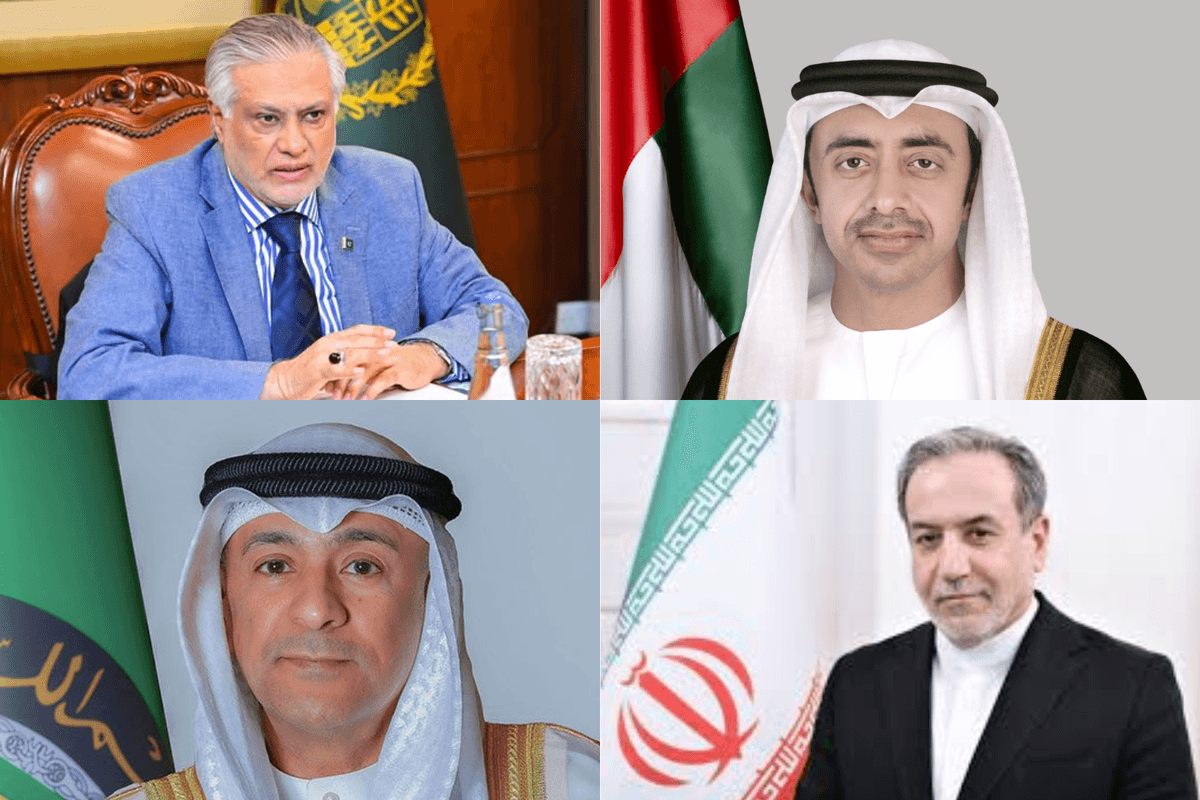
Pakistan’s Deputy Prime Minister and Foreign Minister, Ishaq Dar, held a series of telephone conversations with key regional leaders.
Nukta
Pakistan’s Deputy Prime Minister and Foreign Minister, Ishaq Dar, held a series of telephone conversations with key regional leaders on Saturday as tensions continued to escalate in the Middle East following recent attacks in the Gulf region.
According to Pakistan’s Ministry of Foreign Affairs, Dar spoke with the United Arab Emirates’ Deputy Prime Minister and Minister of Foreign Affairs, Abdullah bin Zayed Al Nahyan. The two leaders discussed the evolving regional security situation and emphasized the importance of maintaining peace and stability in the region.
Dar expressed concern over recent attacks in the region, including those targeting the United Arab Emirates, and conveyed Pakistan’s solidarity with the Emirati government and its people. Both sides also reaffirmed the longstanding and close relations between Pakistan and the UAE.
In a separate conversation, Dar also spoke with the secretary-general of the Gulf Cooperation Council, Jasem Mohamed AlBudaiwi. The two exchanged views on the rapidly evolving regional situation.
AlBudaiwi appreciated Pakistan’s partnership and solidarity with the GCC member states.
Both leaders underscored the need for de-escalation and stressed the importance of dialogue and cooperation to ensure lasting peace and stability in the region.
Meanwhile, the Pakistani foreign minister also held a telephone conversation with Iran’s Foreign Minister, Seyyed Abbas Araghchi, to discuss the latest regional developments.
The two leaders exchanged views on the current situation and agreed to remain in close contact.
Regional tensions rise
The diplomatic outreach comes at a time when tensions have intensified across the Middle East following a series of missile and drone incidents targeting several countries in the Gulf region, raising concerns about a wider regional conflict.
Pakistan has been actively engaging regional partners and international stakeholders in recent days, urging restraint, de-escalation, and dialogue to prevent further instability in the region.
Officials say Islamabad remains committed to supporting diplomatic efforts aimed at maintaining peace and stability across the Middle East.



Comments
See what people are discussing