

Pakistan-Afghanistan border closure costs two countries over Rs400 billion in trade
PAJCCI says Pakistan's border closure losses hit PKR 278 billion in nine months, nearly double Afghanistan's PKR140 billion toll

Kamran Ali
Correspondent Nukta
Kamran Ali, a seasoned journalist from Khyber Pakhtunkhwa, Pakistan, has a decade of experience covering terrorism, human rights, politics, economy, climate change, culture, and sports. With an MS in Media Studies, he has worked across print, radio, TV, and digital media, producing investigative reports and co-hosting shows that highlight critical issues.
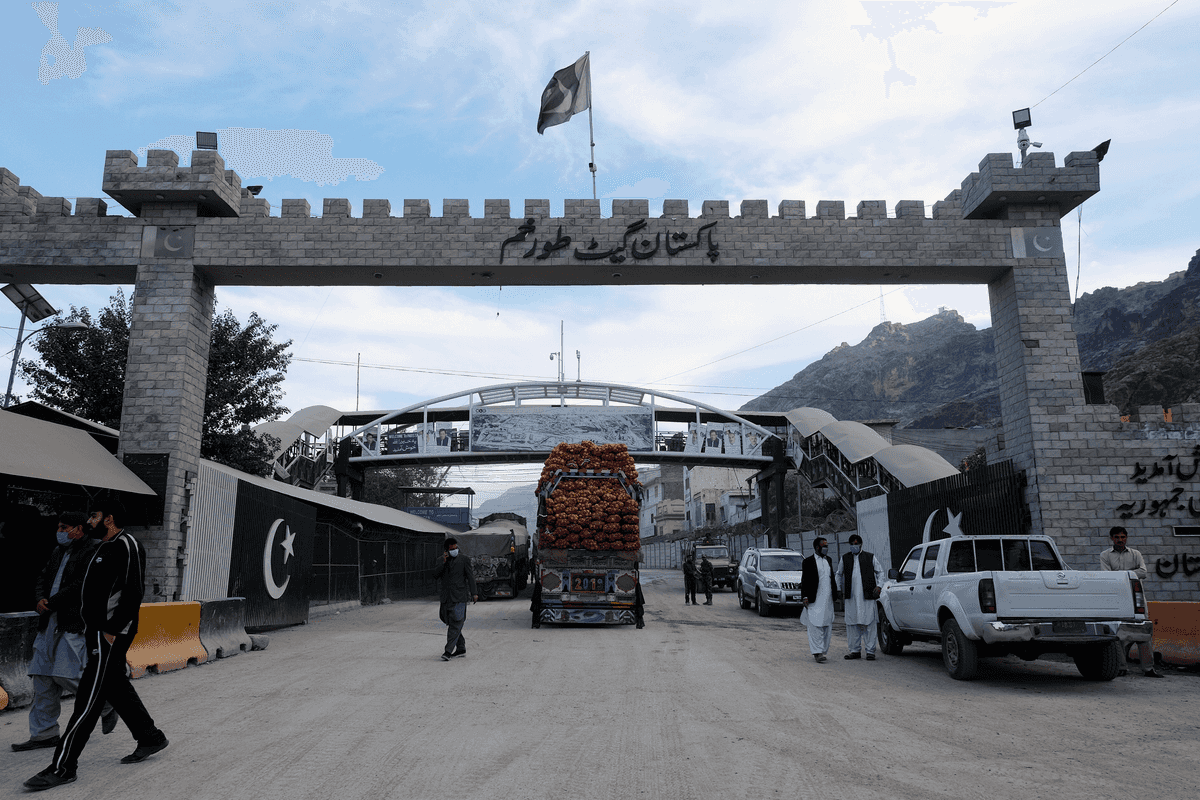
Nine months of closure along the Pakistan-Afghanistan border have cost the two countries more than 400 billion rupees ($1.4 billion), disrupting trade, imports, exports and thousands of jobs, trade representatives said.
Why is Pakistan losing more than Afghanistan in the border closure?
The Pak-Afghan Joint Chamber of Commerce and Industry (PAJCCI) says Pakistani businesses have lost more than 278 billion rupees ($980 million) since the closure began, compared with 140 billion rupees ($495 million) for Afghan businesses.
Pakistan's northern provinces depended heavily on Afghan markets, and exports that once made up 7% of the country's total trade have fallen to almost nothing.
According to the Pakistan Economic Survey, Pakistan's exports to Afghanistan had already declined sharply in 2025. Afghanistan's share of Pakistan's annual exports fell from 4.5% to 1.5% due to border security issues, and the prolonged closure has since pushed those exports to a near standstill. Afghanistan, once among Pakistan's top 10 export destinations, has now dropped off the list entirely.
Shahid Hussain, a member of PAJCCI, told Nukta that businesses in Balochistan and Khyber Pakhtunkhwa relied heavily on Afghanistan as an export market. "About 7% of Pakistan's exports were destined for Afghanistan, but that has now fallen to virtually zero because of the border closure," he said.
How did the border closure disrupt trade with Central Asia?
Ziaul Haq Sarhadi, senior vice president of PAJCCI, said Pakistan's annual exports to Afghanistan are worth about Rs417.2 billion ($1.5 billion), while exports to Central Asian countries routed through Afghanistan total roughly Rs222.5 billion ($800 million) a year. He said disrupted transit trade through Afghanistan has cost Pakistani exporters about Rs62.6 billion ($225 million).
"Pakistan imports cotton, pulses and other commodities from Central Asian countries through Afghanistan. These goods were previously transported via the Afghan transit route at comparatively lower cost, but the border closure has significantly increased import costs," Sarhadi said. He added that Pakistan had also collected significant customs duties and tax revenue from cargo entering through Afghanistan and Central Asia, income that has since been hit hard by the halt in transit trade.
Hussain said Pakistan's exports to Central Asia, which account for about 2% of the country's total exports and are routed through Afghanistan, have also come to a standstill. "Afghanistan is also suffering significant losses at the consumer level," he said. "The country is now importing goods from alternative markets, but the cost to consumers has nearly tripled."
[What led to the closure of the border crossings?
The crossings were closed to the public after clashes broke out on February 26, when Pakistani and Afghan forces exchanged heavy gunfire following a Pakistani airstrike inside Afghanistan targeting what Islamabad described as a cross-border militant network. Pakistan has repeatedly accused militants of operating from Afghan soil, an allegation Taliban authorities in Kabul have consistently denied.
The latest tensions followed earlier incidents, including explosions in Kabul on October 9 last year that prompted retaliatory attacks by Taliban forces along the Pakistan border. The violence caused casualties, damaged border infrastructure and forced the closure of key crossings on October 12, disrupting bilateral trade.
Since then, officials from Pakistan and Afghanistan's Taliban-led government have held several rounds of talks in Qatar, Turkey and China to ease tensions. The negotiations, however, have yet to produce a lasting breakthrough.





Comments
See what people are discussing