

Pakistan’s Islamic council rejects court ruling granting wives 50% of marital assets
Council of Islamic Ideology says the Islamabad High Court ruling granting wives 50% of matrimonial assets contradicts the Quran and Sunnah.

Ali Hamza
Correspondent
Ali; a journalist with 3 years of experience, working in Newspaper. Worked in Field, covered Big Legal Constitutional and Political Events in Pakistan since 2022. Graduate of DePaul University, Chicago.
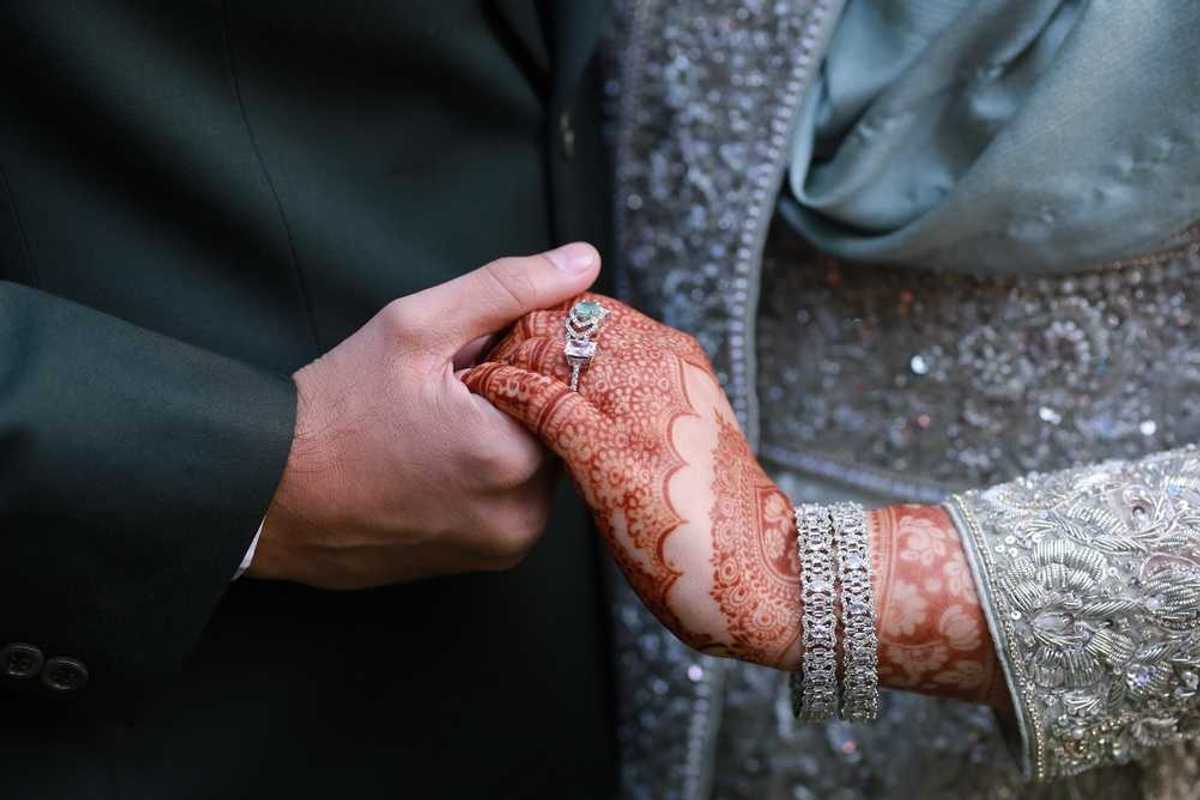
The CII said equal division of matrimonial assets between spouses is rooted in Western legal traditions, not Islamic jurisprudence.
Shutterstock
Pakistan's Council of Islamic Ideology (CII) on Tuesday reaffirmed its opposition to an Islamabad High Court ruling that granted wives at least a 50 percent share in matrimonial assets. The council declared the judgment incompatible with Islamic law.
What did the Council of Islamic Ideology decide about matrimonial assets?
The CII said equal division of matrimonial assets between spouses is rooted in Western legal traditions, not Islamic jurisprudence. It argued that under Islamic law, financial obligations after marriage rest with the husband while the wife bears non-financial responsibilities. The council said the IHC ruling wrongly treated both spouses as joint contributors with equal property claims.
The recommendation was approved at the council's 246th session, chaired by CII Chairman Allama Dr. Muhammad Raghib Hussain Naeemi. The session also addressed several other legal and public interest matters.
What did the Islamabad High Court rule on wives' share in assets?
The IHC ruling, issued by Justice Mohsin Akhtar Kayani in March, allowed a writ petition filed by Mst. Amara Waqas, a former Pakistan Air Force officer. She had sought recovery of dowry articles and personal belongings worth Rs1.69 million following the breakdown of her marriage.
The court held that wives are entitled to the full return of dowry articles or their market value. It also ruled that a wife who contributes to a marriage financially or through domestic labor is entitled to at least half the matrimonial assets accumulated during the union. The case was remanded to a family court for fresh adjudication.
Why does the CII say the ruling contradicts Islamic law?
The council argued that Islamic law recognizes specific, defined grounds for transferring or sharing ownership, including marriage, purchase, gift, inheritance, bequest and partnership. It said the IHC ruling had effectively introduced marriage itself as an independent basis for joint ownership, a position it said is not supported by Islamic principles of property.
The CII noted it had already declared the concept of matrimonial assets un-Islamic at its session on October 21, 2024. It had also found multiple provisions of a draft bill by Senator Ali Zafar to conflict with Islamic injunctions, a finding that led the Senate Standing Committee to reject the bill. The council said the IHC had cited laws from other Muslim-majority countries to support its position while disregarding the council's constitutional status as an advisory body on Quran and Sunnah compliance.
The council also disputed the court's reliance on Quranic verses concerning provision for divorced women. It argued these verses address obligations specifically tied to divorce and do not extend to a continuing claim during marriage or after death.
How did the CII respond to the court's reference to CEDAW?
On the IHC's reference to the UN Convention on the Elimination of All Forms of Discrimination Against Women, the council said international agreements are not enforceable in Pakistan unless formally incorporated through domestic legislation. It added that any such law must still conform to the Quran and Sunnah under Article 227 of the constitution.
The CII warned that mandating a wife's share in matrimonial assets could undermine the balance of rights and responsibilities within marriage. It said the policy could encourage financial independence that destabilizes family structures, increases separation over minor disputes, and in some cases incentivizes marriage for financial gain.
What action is the CII taking against the ruling?
The council said it has written to the IHC chief justice requesting reconsideration of the ruling. It will separately approach the appellate court to stress that any future legislation on the matter must align with the Quran and Sunnah, in line with its recommendations. Justice Kayani has since been transferred to the Lahore High Court.
The CII also addressed other matters at Tuesday's session. It voiced support for Pakistan's mediation efforts toward a ceasefire between the United States and Iran and called for an end to the closure of the Strait of Hormuz. The council commended security forces and peace committees for a peaceful observance of the first ten days of Muharram, and adopted a resolution against the broadcast of depictions of religious figures following a controversy involving Geo News.
The council backed a Federal Shariat Court ruling reinstating punishment for attempted suicide and reviewed the Family Courts Amendment Bill 2026. It also approved conditional cornea donation and transplantation, and endorsed federal legislation banning plastic packaging.
The session was attended by Hafiz Tahir Mahmood Ashrafi, Hafiz Muhammad Amjad, Allama Iftikhar Hussain Naqvi, Dr Mufti Intekhab Ahmed, Mufti Muhammad Zubair, Pir Hassan Haseeb-ur-Rehman, Rana Shafiq Pasroori, Syed Atiq-ur-Rehman, Allama Yousaf Awan and Shams-ur-Rehman Mashhadi.





Comments
See what people are discussing