

Pakistan fuel demand seen falling up to 7% amid price surge, supply disruptions
Analysts cite higher prices, Ramadan slowdown and Hormuz tensions as key risks to consumption

Haris Zamir
Business Editor
Experience of almost 33 years where started the journey of financial journalism from Business Recorder in 1992. From 2006 onwards attached with Television Media worked at Sun Tv, Dawn Tv, Geo Tv and Dunya Tv. During the period also worked as a stringer for Bloomberg for seven years and Dow Jones for five years. Also wrote articles for several highly acclaimed periodicals like the Newsline, Pakistan Gulf Economist and Money Matters (The News publications)
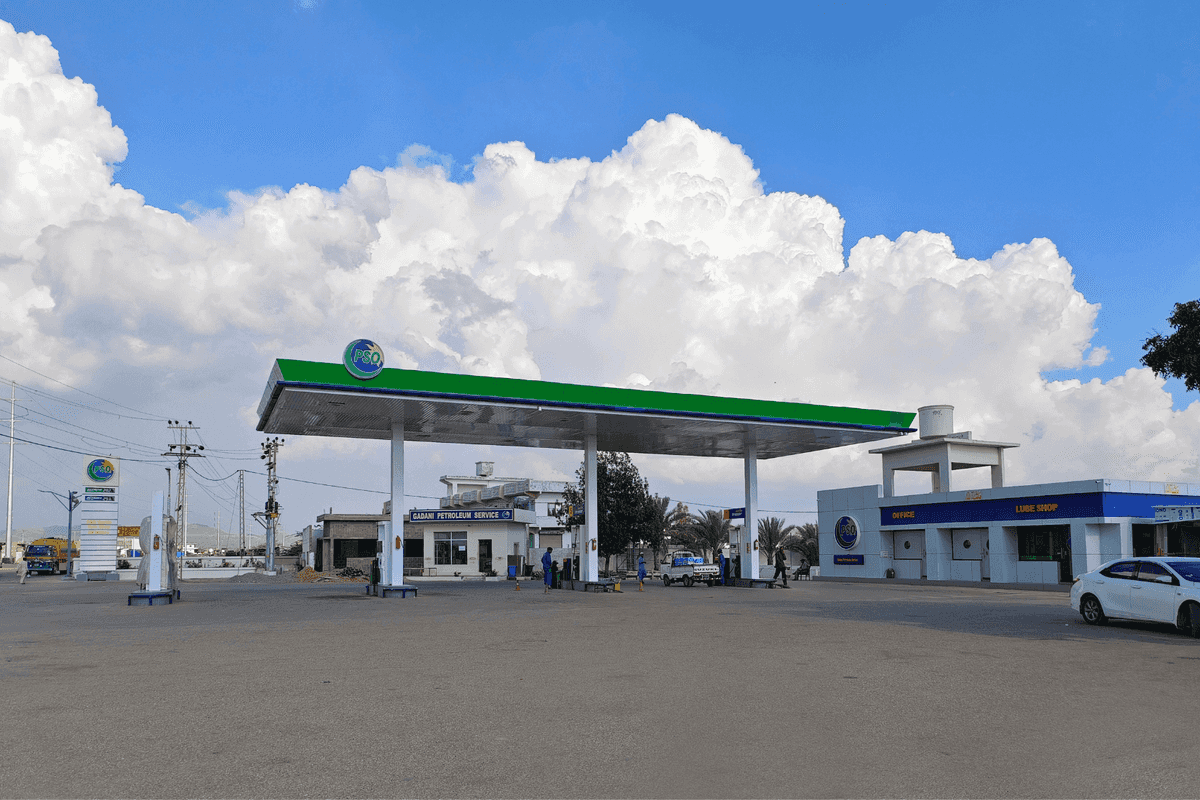
Pakistan’s petroleum product consumption is expected to decline in March and the coming weeks by as much as 7%, as global price increases and disruptions to shipping through the Strait of Hormuz weigh on demand, analysts said.
They warned that if tensions in the Middle East persist, the impact could extend to the broader economy.
“I think consumption will see a decline of 2-3% on a month-on-month basis,” said Farhan Mehmood, head of research at Sherman Securities, a Karachi-based brokerage.
He added that while pre-buying may occur in anticipation of price increases, demand is likely to weaken during Eid holidays, when transportation activity declines. “But volumes may decline by 5-7% in April,” he said.
Prices surge, supply chain slows
Pakistan imports around 70% of its petroleum products from the Middle East, the Petroleum Secretary earlier told the Senate Standing Committee on Petroleum.
The secretary said shipments through the Strait of Hormuz previously reached Pakistan in four days, but now take around 12 days via the Red Sea.
He added that diesel prices have risen from $88 to $187 per barrel, while petrol prices increased from $74 to $130 per barrel.
Since March 1, the government has raised petroleum product prices in the range of 22% to 112%. Diesel prices rose 22% to PKR 336 per liter, petrol increased 24% to PKR 321 per liter, light diesel oil climbed 86% to PKR 302 per liter, kerosene rose 98% to PKR 358 per liter, and jet fuel surged 112% to PKR 388 per liter.
The government also changed the petroleum pricing mechanism from a fortnightly to a weekly review, effective March 7.
Mixed demand signals
Data from the Oil Companies Advisory Committee (OCAC) showed petrol sales rose 12% to 621,000 metric tons in February, while diesel sales increased 22% to 428,000 metric tons compared with the same period last year.
Overall petroleum product sales, including fuel oil, rose 4% to 10.957 million metric tons in the first eight months of the current fiscal year, compared with 10.549 million metric tons in the same period a year earlier.
However, analysts expect near-term pressure on demand.
Syed Fawad Bashir, head of research at KTrade Securities, said March sales are likely to be affected by Ramadan-related lower working hours, Eid holidays and higher prices due to geopolitical tensions.
Government support and imports
On March 14, the government kept petroleum prices unchanged and decided to absorb part of the increase.
A document showed that the government will pay a price differential of PKR 75.05 per liter on diesel and PKR 49.63 per liter on petrol.
Estimated price differential claims of oil marketing companies for the period from March 14 to March 20 amounting to PKR 23 billion, will be paid by the Oil and Gas Regulatory Authority, the document said.
Imports and consumption trends
Pakistan’s crude oil imports in the seven months ended Jan. 31 rose 20% to 6.226 million metric tons, compared with 5.176 million metric tons a year earlier, OCAC data showed.
Diesel imports declined 28% to 0.969 million metric tons, while petrol imports edged up 0.2% to 3.305 million metric tons.
Fuel oil consumption in the eight months ended Feb. 28 increased 14% to 767,000 metric tons, compared with 671,000 metric tons in the same period last year.
Outlook
Mohammad Waqas Ghani, head of research at JS Global Securities, said sales volumes may remain relatively stable in March due to Ramadan, Eid-related demand and inventory stocking.
However, he warned that if high fuel prices persist, demand could weaken from April, reducing volumes for oil marketing companies.
“We expect fuel oil demand to witness a meaningful recovery in the coming months, supported by the recent uptrend in international coal and oil prices,” Arif Habib Ltd. said in a March 9 research note.
The note added that coal prices around $111.25 per ton may reduce coal’s cost advantage and shift part of the power generation mix toward furnace oil, while higher LNG prices and supply constraints could further support fuel oil consumption.
Hamdan Ahmad, research analyst at Optimus Capital Management, said demand is already under pressure.
“Procurement is difficult, prices are high so people are looking for alternatives and government has introduced austerity measures to reduce fuel demand,” he said.





Comments
See what people are discussing