

Pakistan inflation to remain elevated before easing in second half of FY27
State Bank of Pakistan sees growth at 3.5%-4.5% as higher energy costs and Middle East supply disruptions weigh on economic activity

Haris Zamir
Business Editor
Experience of almost 33 years where started the journey of financial journalism from Business Recorder in 1992. From 2006 onwards attached with Television Media worked at Sun Tv, Dawn Tv, Geo Tv and Dunya Tv. During the period also worked as a stringer for Bloomberg for seven years and Dow Jones for five years. Also wrote articles for several highly acclaimed periodicals like the Newsline, Pakistan Gulf Economist and Money Matters (The News publications)
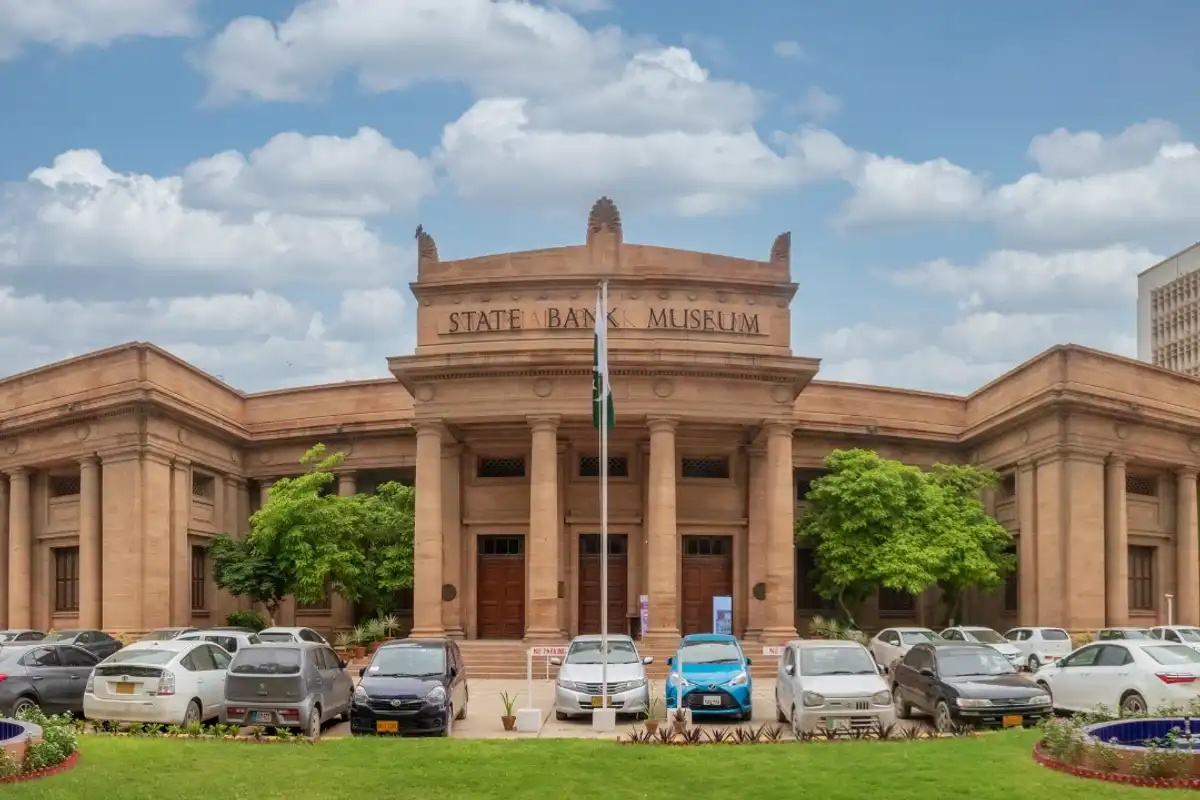
Pakistan’s inflation is expected to remain elevated in the near term because of higher energy prices before easing gradually toward the upper bound of the central bank’s target range in the second half of fiscal year 2026-27, the State Bank of Pakistan said Tuesday.
In its Monetary Policy Report, the State Bank said elevated global energy prices were exerting both direct and indirect pressure on domestic inflation, while supply chain disruptions following the Middle East conflict had also affected economic activity.
“Going forward, inflation is projected to remain elevated in the near term,” the central bank said, adding that inflation is expected to ease gradually toward the upper bound of the target range in the second half of FY27.
The SBP said global energy prices are expected to normalize from the second half of FY27, while a favorable base effect in the fourth quarter should help contain energy and overall inflation.
Medium-term inflation expectations remain firmly anchored, providing some comfort that higher current inflation will not trigger significant second-round effects, the central bank said.
Food inflation is also expected to ease following wheat imports and the arrival of the fresh wheat crop in the second half of FY27. At the same time, aggregate demand is expected to remain moderate because of continued fiscal consolidation and the lagged impact of the 100-basis-point increase in the policy rate in April.
Growth outlook
The central bank expects Pakistan’s real gross domestic product to grow between 3.5% and 4.5% in FY27, although it cautioned that growth would be slower than projected in January because of elevated energy costs and continuing supply disruptions.
Economic momentum weakened in the fourth quarter of FY26 following the outbreak and continuation of the Middle East conflict, which triggered a sharp increase in energy prices and disrupted supply chains.
The impact was particularly visible in industrial activity. Large-scale manufacturing contracted 1% in May 2026 after slowing in April, while construction-related sectors and consumer durables, including pharmaceuticals, food products and beverages, deteriorated notably during April and May.
The SBP said economic activity is nevertheless expected to recover gradually in FY27.
“Favorable tax measures,” including the rationalization of the super tax for certain sectors and incentives for exporters, are expected to support manufacturing and services, the report said.
The National Tariff Policy 2025-30, which has reduced tariffs across a broad range of tariff lines, is also expected to benefit import-dependent industries such as automobiles, textiles, pharmaceuticals and edible oil.
Higher expected sugarcane production should boost sugar output and strengthen wholesale and retail trade services, while a strong and broad-based increase in private-sector credit during FY26 is expected to support economic activity in FY27, the SBP said.
Business confidence and the purchasing managers’ index also improved in June and July 2026, indicating a more favorable outlook. High-frequency economic indicators, which had moderated following the conflict, recovered in June and are expected to continue improving during FY27.
Energy shock hits transport costs
The report showed the sharp impact of higher energy prices on transport costs.
Transport fares increased 29.9% from the start of the Middle East conflict through June, compared with a 30.5% rise in high-speed diesel prices and a 36.4% increase in petrol prices over the same period.
LPG prices recorded an even sharper 45.6% increase, while kerosene prices rose 35.6%, according to the SBP’s analysis of consumer price index data.
The central bank said these increases have contributed to inflationary pressures through both direct increases in household energy and transport costs and indirect effects on the prices of goods and services.
Despite these pressures, the SBP expects inflation to moderate as international energy prices normalize, supply conditions improve and base effects become favorable later in FY27.
The central bank’s assessment assumes continued fiscal consolidation, moderate aggregate demand and anchored inflation expectations, alongside the transmission of the April policy-rate increase through the economy.





Comments
See what people are discussing