

Pakistan inflation set to return to double digits from April
Rising oil prices and subsidy strain drive worsening outlook

Haris Zamir
Business Editor
Experience of almost 33 years where started the journey of financial journalism from Business Recorder in 1992. From 2006 onwards attached with Television Media worked at Sun Tv, Dawn Tv, Geo Tv and Dunya Tv. During the period also worked as a stringer for Bloomberg for seven years and Dow Jones for five years. Also wrote articles for several highly acclaimed periodicals like the Newsline, Pakistan Gulf Economist and Money Matters (The News publications)
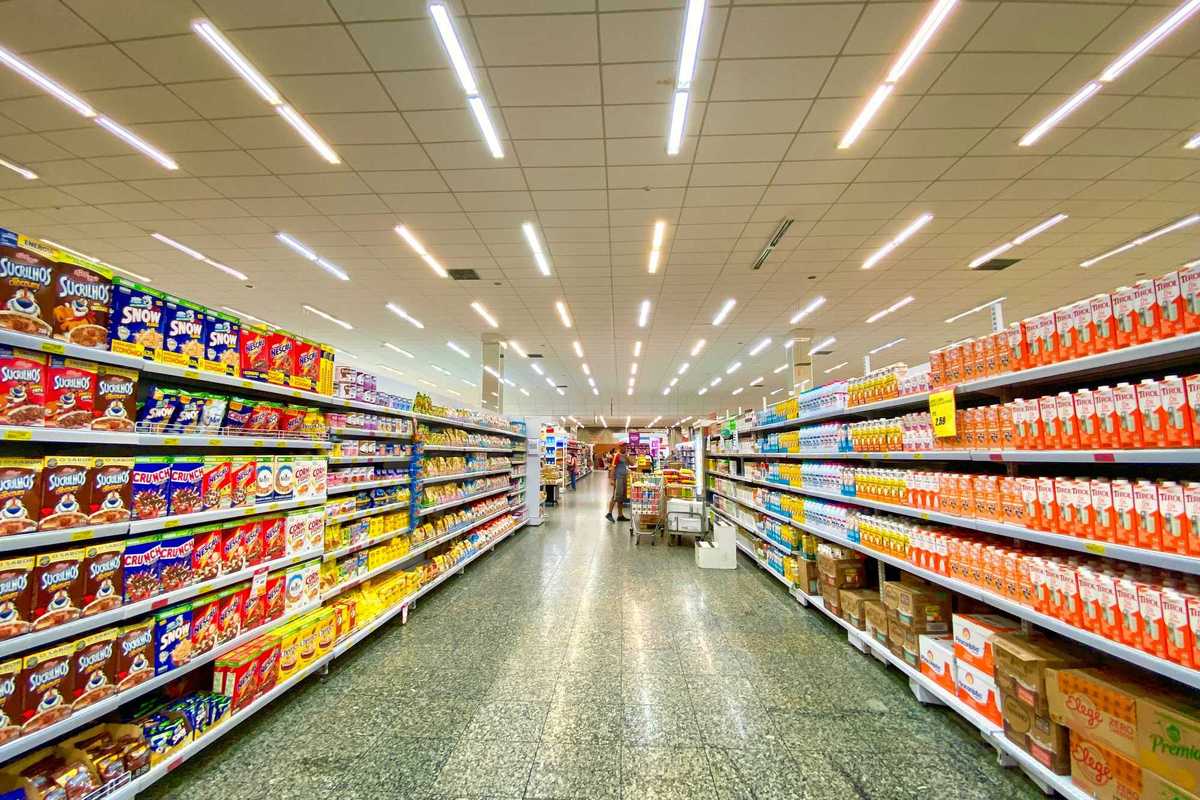
Pakistan’s inflation is likely to re-enter double digits from April, driven by rising global oil prices, fading base effects and mounting fiscal pressures, according to separate reports by Spectrum Securities, Ismail Iqbal Securities and Optimus Securities.
The brokerages said inflationary pressures are intensifying amid geopolitical tensions in the Middle East, which have disrupted global energy supplies — particularly through the Strait of Hormuz — and driven a sharp increase in international commodity prices.
Crude oil prices averaged about $90 per barrel in March, up roughly 40% month-on-month, with part of the increase already passed on to domestic consumers, the reports noted.
Inflation outlook worsening
Analysts expect inflation to rise sharply in the coming months due to a combination of base effects, higher fuel costs and lagged spillovers into transport, power and food prices.
“Inflation is set to enter double digits from April,” the reports said, warning that prolonged geopolitical tensions could further weaken economic activity while keeping price pressures elevated.
Recent data shows consumer prices rising 1.1% month-on-month in March and 7.2% year-on-year, with the increase largely driven by housing, transport, and energy-related components.
Subsidy strategy under strain
The reports highlighted that the government is currently cushioning consumers by maintaining fuel subsidies and absorbing increases in the Petroleum Development Levy. However, analysts cautioned that this approach may not be sustainable.
“Short-term price controls may provide temporary relief, but prolonged subsidization risks exacerbating fiscal slippages,” the brokerages said.
They added that continued subsidies could widen the fiscal deficit and put pressure on the current account, particularly given Pakistan’s already high debt levels and limited fiscal space.
The outlook is further complicated by the country’s engagement with the International Monetary Fund, which may require the government to pass on higher energy costs to consumers as part of reform commitments.
Monetary policy risks rising
Given the inflation trajectory, analysts said a shift in monetary policy cannot be ruled out. Secondary market yields have already risen by 100 to 200 basis points across tenors, reflecting expectations of tighter policy.
“This may warrant a tighter monetary policy stance,” the reports said, adding that an upward revision in the policy rate could weigh on growth and broader macroeconomic indicators.
Higher yields are also increasing borrowing costs for the government and private sector, further tightening financial conditions.
External vulnerabilities persist
The brokerages warned that higher oil import bills could widen the trade and current account deficits, putting pressure on foreign exchange reserves.
Pakistan’s reliance on imported energy makes it particularly vulnerable to global price shocks, with analysts noting that any sustained increase in oil prices poses a significant upside risk to inflation.
Disruptions in the trade balance, combined with currency pressures, could amplify price instability in the months ahead.
Risk of prolonged instability
Analysts said the macroeconomic environment remains highly uncertain, with risks tilted to the upside for inflation.
“Without timely policy adjustments, the economy risks entering a destabilizing cycle of inflation persistence, fiscal strain and external sector imbalances,” the reports warned.
While real interest rates remain positive for now, continued inflationary pressures and subsidy rollbacks could test economic stability, leaving policymakers with limited room to maneuver.



Comments
See what people are discussing