

Pakistan launches first power wheeling auction offering 400 MW
Pakistan's first power wheeling auction offers 400 MW to large consumers as the government exits electricity procurement and moves toward a competitive market.

Business Desk
The Business Desk tracks economic trends, market movements, and business developments, offering analysis of both local and global financial news.
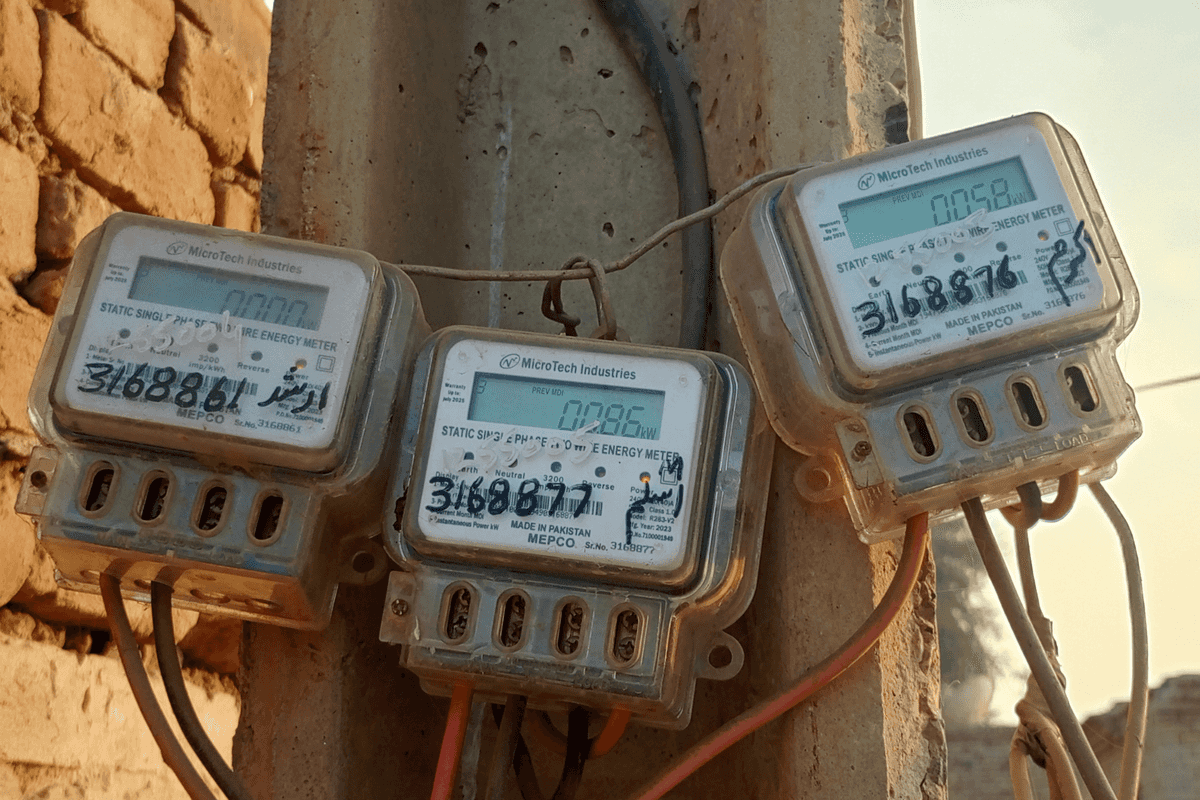
Pakistan has launched its first power wheeling auction, letting large consumers buy electricity directly from producers. Energy Minister Sardar Awais Ahmad Khan Leghari announced the launch as the government moves to end its role as the sole buyer of electricity.
The Power Division has issued a Request for Proposals for the auction under the Competitive Trading Bilateral Contract Market, or CTBCM. Authorities plan to auction 800 megawatts over the next five years, with 400 MW offered in the first phase.
Leghari described the launch as a major milestone in Pakistan's power-sector reforms. "The government is practically moving out of electricity procurement from today," he said.
What is a power wheeling auction?
A power wheeling auction is a competitive process in which electricity producers sell power directly to large consumers through the existing grid. It replaces the centralized model in which the government buys electricity and supplies it to consumers, and it is the first step of the CTBCM.
Pakistan currently buys electricity through a centralized system and supplies it to consumers. Under the new mechanism, producers and consumers can enter direct power transactions on a competitive basis.
"Those who generate electricity and those who consume it will be able to buy and sell electricity directly," Leghari said. He added that trading would be based on transparency and competition.
Who can buy power through the wheeling auction?
The competitive market will initially cover industrial and other large consumers, particularly those using more than 1 MW of electricity, Leghari said. The government plans to expand the system gradually into a broader competitive electricity market.
The expansion is meant to give consumers greater choice in selecting their power suppliers. "Under this system, even an ordinary consumer will eventually be able to purchase electricity according to their choice," Leghari said.
The reform is intended to increase competition in electricity procurement and reduce reliance on the existing centralized model. Under that model, the government purchases power and supplies it to consumers at rates determined through the prevailing system.
How could the wheeling auction help Pakistani industry?
Leghari said access to electricity at competitive rates could help Pakistani industries lower energy costs and improve their competitiveness in international markets. He said it could also increase their export capacity.
The minister also referred to the longstanding public debate over Pakistan's arrangements for purchasing electricity from independent power producers, or IPPs. He said the new mechanism would bring greater transparency to electricity procurement and trading.
What happens next after the first power wheeling auction?
Leghari said the government was implementing commitments made under its power-sector reform agenda. He congratulated Prime Minister Muhammad Shehbaz Sharif and the nation on the launch of the auction process.
The first wheeling auction is expected to be an initial step in Pakistan's transition toward a competitive power market. Direct electricity trading is expected to expand over time.




Comments
See what people are discussing