

Pakistan lines up Panda, dollar bond issues to extend maturities and tap global investors
Finance ministry plans RFPs, roadshows as it targets cheaper funding and a more stable debt profile

Haris Zamir
Business Editor
Experience of almost 33 years where started the journey of financial journalism from Business Recorder in 1992. From 2006 onwards attached with Television Media worked at Sun Tv, Dawn Tv, Geo Tv and Dunya Tv. During the period also worked as a stringer for Bloomberg for seven years and Dow Jones for five years. Also wrote articles for several highly acclaimed periodicals like the Newsline, Pakistan Gulf Economist and Money Matters (The News publications)
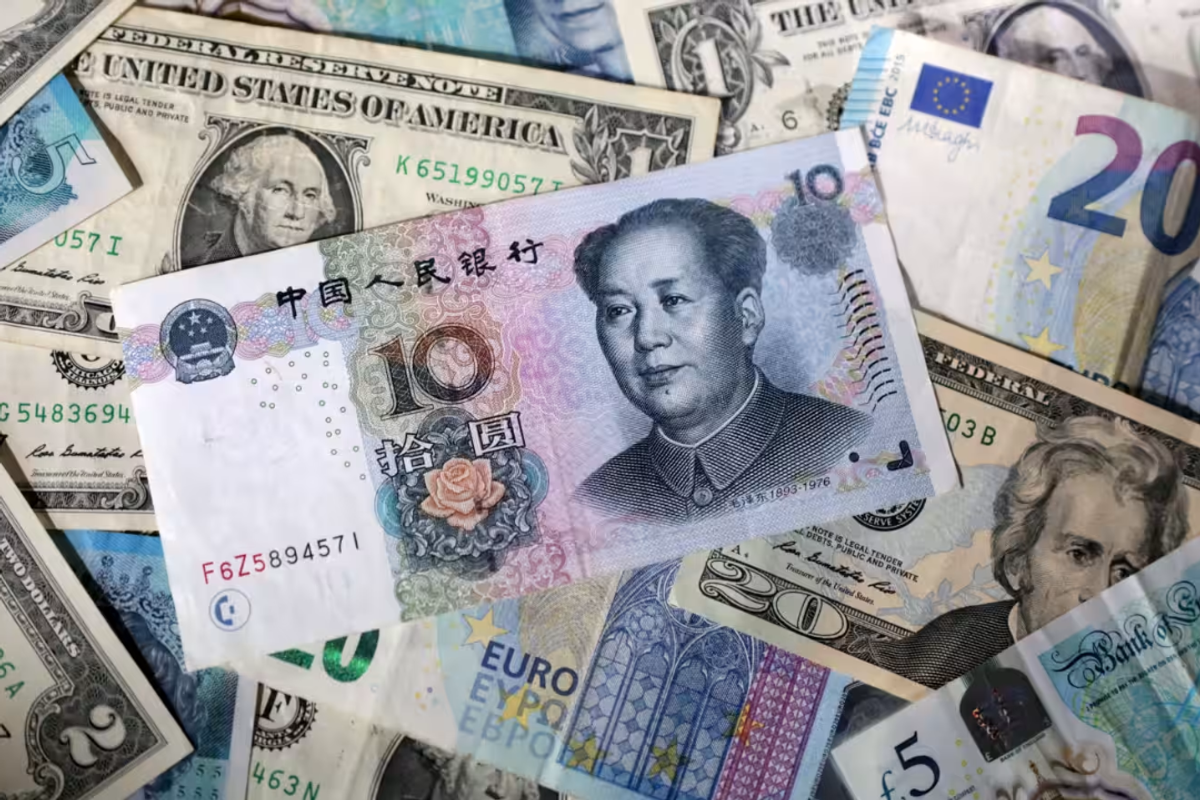
Pakistan plans to issue requests for proposals soon to launch Panda bonds in China and dollar-denominated bonds in global markets as part of a broader strategy to lengthen debt maturities and attract stable foreign investors, according to a report by Topline Securities.
The brokerage said the Ministry of Finance’s Debt Management Office outlined the plans during a briefing with financial market participants at the Pakistan Stock Exchange on Jan. 12.
According to Topline Securities, the government is preparing to issue four RFPs in international markets for Panda bonds and/or dollar bonds. The move comes as Chinese 10-year bonds yield below 2%, compared with about 4% to 4.5% for U.S. Treasuries of a similar tenor, making Panda bonds a potentially cheaper funding option.
“The government expects the pricing of new issuances to remain well within existing secondary market yields of Pakistan bonds, while Panda bonds are likely to be even more competitive,” Topline said in its report.
The debt office also told participants it is working on exchange rate-linked notes or bonds for local investors, aimed at attracting dollar liquidity already within the country and meeting demand from investors seeking foreign currency exposure without moving funds offshore.
Global roadshows to attract investors
To broaden its international investor base, the government is conducting global roadshows to attract long-term investors rather than hedge funds, which officials described as “hot money”, Topline said. Authorities have finalized a list of more than 100 global investors as part of the outreach effort.
Pakistan’s next major external repayment is a $1.3 billion Eurobond maturing on April 8. The debt office said a previous repayment in September last year passed without difficulty due to sufficient available resources, easing near-term refinancing concerns.
The government also plans to improve transparency and engagement with markets by holding quarterly or semiannual briefings with analysts and establishing a dedicated investor relations office to address investor concerns in a timely manner, according to the report.
Domestically, authorities are focusing on reducing refinancing and interest rate risks by shifting toward fixed-rate and longer-term instruments. The average time to maturity of domestic debt rose to 4.02 years in December from 3.8 years in June, with a target of 4.25 years by 2028.
Topline said the government intends to increase net issuance of Pakistan Investment Bonds, including fixed-rate and zero-coupon bonds, while limiting reliance on short-term treasury bills. Fixed-rate instruments accounted for 24.75% of domestic debt in December, up from 18% in June 2024, with a goal of exceeding 30% by 2028. The share of short-term instruments fell to 16.7% from 24% over the same period.
The share of Shariah-compliant instruments in domestic debt stood at 14.25% in December, with authorities targeting more than 20% by 2028.
Addressing concerns about higher rates on National Savings Schemes, which analysts say hinder development of a broader retail debt market, officials said they are working on reforms and will share updates in due course.
Muhammad Khaliq uz Zaman, director of domestic debt, said the current domestic-to-external debt mix stands at 70:30 and the ministry aims to further reduce foreign exchange risk by attracting more “real money” investors into local currency bonds.
“Leading indicators such as gross financing needs and average time to maturity are improving, supported by decent subscriptions in longer-term auctions,” Zaman said, according to Topline.



Comments
See what people are discussing