

Pakistan’s manufacturing output rises 5.75% in July-January period
On a year-on-year basis, industrial production surged 10.54% in January, while month-on-month output rose 12.08% compared with December 2025

Business Desk
The Business Desk tracks economic trends, market movements, and business developments, offering analysis of both local and global financial news.
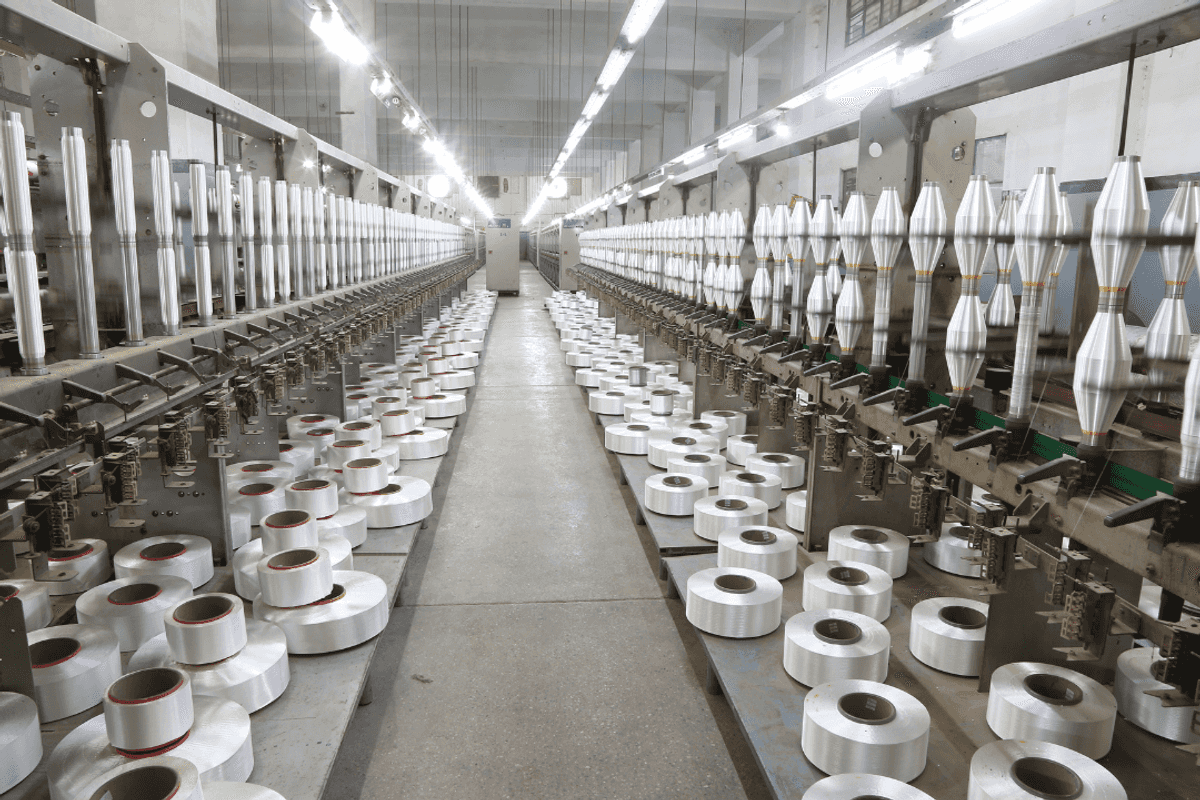
Pakistan’s large-scale manufacturing sector recorded a 5.75% increase in output during the July–January period of the current fiscal year, according to data released by the national statistics agency.
On a year-on-year basis, industrial production surged 10.54% in January, while month-on-month output rose 12.08% compared with December 2025.
Growth was observed across several key sectors. Food production increased 12.07%, while beverages output rose 8.53%. The tobacco sector posted a sharp gain of 24.65%, reflecting strong demand and higher production levels.
The textile sector, a backbone of Pakistan’s manufacturing industry, recorded modest growth of 2.63%. Petroleum products output rose 2.36%, while non-metallic minerals registered a 9.97% increase. Electrical equipment production showed notable growth of 17.2%.
The automobile sector recorded a substantial rise of 67.31%, while furniture production surged 186.27%, highlighting strong rebounds in these segments.
However, some sectors experienced declines. Leather production fell 2.94%, and wood products decreased by 4.14%. Fertilizer output slipped 1.09%, while iron and steel production dropped 8.87%. Output in machinery and other equipment fell sharply by 19.41%, underscoring ongoing challenges in heavy industry.
The pharmaceuticals sector saw a slight increase of 1.63%, reflecting stable demand. Overall, the data points to a mixed performance in Pakistan’s industrial sector, with strong gains in consumer-oriented and automobile segments offset by declines in heavy manufacturing and some basic industries.


Comments
See what people are discussing