

Pakistan says militant sanctuaries in Afghanistan remain obstacle to ties with Kabul
Pakistan says militant sanctuaries in Afghanistan remain the main obstacle to normalising ties with Kabul and reserves the right to protect its security

News Desk
The News Desk provides timely and factual coverage of national and international events, with an emphasis on accuracy and clarity.
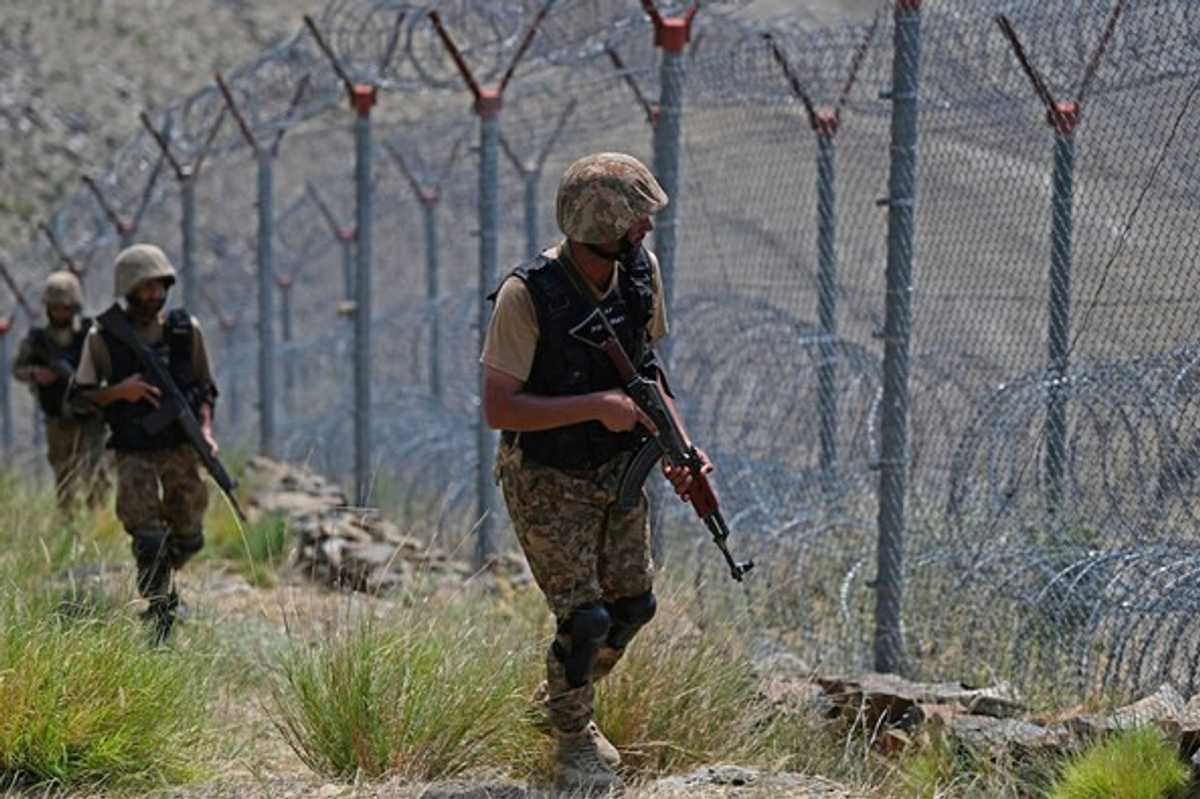
Pakistan’s Ministry of Information and Broadcasting said on Saturday that militant sanctuaries in Afghanistan remain the main obstacle to normalizing relations with Kabul.
The statement responded to remarks by an Afghan Taliban spokesperson and warned that Pakistan reserves the right to act if threats to its citizens persist.
Why are militant sanctuaries in Afghanistan blocking Pakistan’s ties with Kabul?
Pakistan accuses the Taliban authorities of failing to act against militant groups allegedly using Afghan soil to launch attacks inside Pakistan. Islamabad says responsibility for stopping these groups lies with Kabul, and that assurances without effective action would do little to ease tensions. It describes the protection of its citizens as a red line.
Ministry of Information and Broadcasting31 October 2026The Afghan Taliban spokesperson’s latest tweet exposes the regime’s deeply misguided approach and unwillingness to confront the root cause of deteriorating relations with Pakistan. The Taliban leadership continues to blame Islamabad’s policies while conveniently ignoring the single most important issue poisoning bilateral relations: its persistent failure to address terrorism emanating from Afghan soil.Pakistan’s position is unequivocal: *terrorism is a red line and the security of its citizens is non-negotiable.* The Afghan Taliban regime must understand that Pakistan will not tolerate terrorist sanctuaries across its borders that impact its security nor allow its people to remain targets of terrorism emanating from Afghanistan. Pakistan reserves the right to take all necessary measures, in accordance with international law, to eliminate threats to its national security, wherever they originate. Kabul must recognise that the responsibility for addressing these threats rests squarely with the Afghan Taliban regime. Pakistan’s resolve to protect its people must never be mistaken for weakness.The Taliban regime’s persistent refusal to address terrorism remains the principal obstacle to normal relations. Shifting blame, making hollow assurances and questioning Pakistan’s policies will neither resolve the crisis nor absolve Kabul of its responsibilities. The Afghan Taliban leadership must understand that *Pakistan’s security will not be held hostage to _Afghan Taliban’s_ inaction, evasions or misplaced priorities.*
— Ministry of Information & Broadcasting (@MoIB_Official) October 31, 2026
The ministry said Pakistan’s position on terrorism was non-negotiable. It added that Pakistan would not accept militant sanctuaries across the border posing a threat to its national security.
“Pakistan reserves the right to take all necessary measures, in accordance with international law, to eliminate threats to its national security, wherever they originate,” the ministry said.
How did Pakistan respond to Kabul’s criticism?
The ministry rejected what it described as Kabul’s attempts to blame Islamabad’s policies for strained relations. It said such claims overlooked the security concerns at the heart of the dispute.
It also accused the Afghan leadership of deflecting responsibility and questioning Pakistan’s policies instead of addressing the activities of armed groups. Such an approach, the ministry said, would neither resolve the dispute nor absolve Kabul of its obligations.





Comments
See what people are discussing